
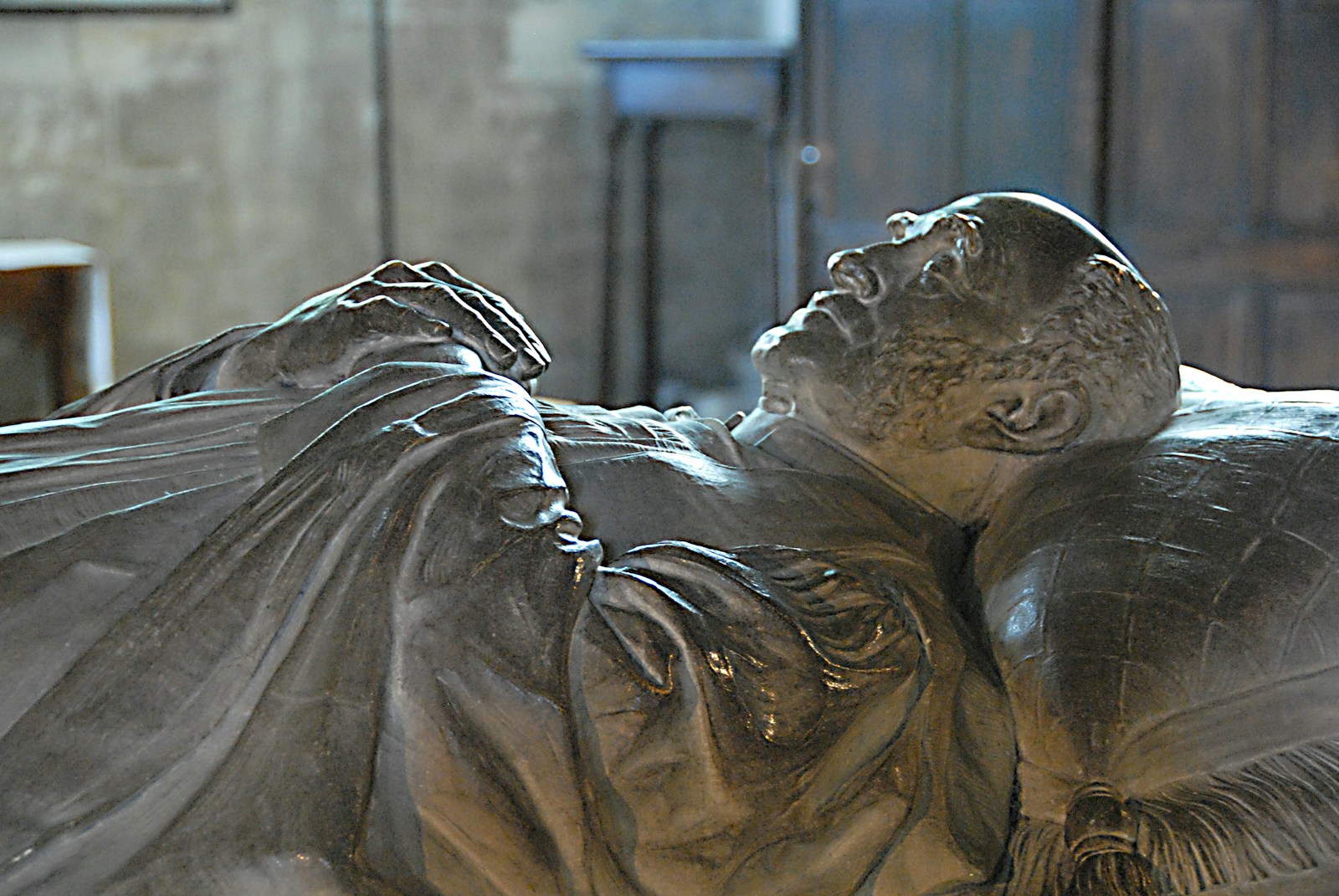
If you love history that feels personal, nothing beats standing beside the tomb of a long-lost king. We’ve tracked down some of the most accessible and intriguing Saxon royal tombs you can actually visit in England. From grand cathedrals to mysterious ruins, each site tells part of the story of how England came to be.
Get To Know The Traveling Taylors!
1. Winchester Cathedral — Hampshire
Home to more Saxon kings than any other site, Winchester Cathedral contains the remains of rulers like King Egbert, Ethelwulf, and Edward the Elder. If you enjoy filming your travel experiences, a tiny wearable camera like this one is a great way to capture hands-free POV footage while walking through iconic locations.
- Highlight: Painted mortuary chests displayed in the choir area
- Don’t Miss: The crypt with Antony Gormley’s Sound II
2. St. Oswald’s Priory — Gloucester
This lesser-known site is the resting place of Queen Aethelflaed, the powerful daughter of Alfred the Great who ruled Mercia.
- Atmosphere: Peaceful ruin with visible Saxon stonework
- Fun Fact: Aethelflaed is one of the few female rulers from the era with a marked tomb
3. Malmesbury Abbey — Wiltshire
King Athelstan, grandson of Alfred the Great and first King of a unified England, is buried here.
- What to See: A tomb marked in the abbey’s side chapel
- Pro Tip: Visit the adjoining museum for context on Athelstan’s reign
Some travelers also carry a mini portable charger like this one in their pocket or bag so they always have backup battery power for maps, photos, and ride apps.
4. Bury St Edmunds Abbey — Suffolk
Named after King Edmund, a martyred Saxon king, the site includes ruins and a shrine once visited by pilgrims.
- Best Time to Visit: Spring, when the gardens bloom
- Note: His exact burial spot within the ruins is still debated
5. Sherborne Abbey — Dorset
Believed to be the resting place of King Ethelbald and Ethelbert, sons of Ethelwulf.
- Look For: Saxon features in the abbey’s architecture
- Why Go: A beautiful and historically rich working church
6. Repton Church and Crypt — Derbyshire
King Æthelbald of Mercia is believed to have been buried here. The crypt is one of the best-preserved Saxon-era interiors in England.
- Creepiest Feature: Human bones discovered in a nearby Viking burial mound
- Must-See: The atmospheric 8th-century crypt
7. Whitby Abbey — North Yorkshire
While not confirmed, the abbey is closely tied to Saxon saints and kings, including Oswiu of Northumbria, who was likely buried here.
- What Remains: Dramatic clifftop ruins
- Extra Appeal: Gorgeous sea views and Dracula-inspired lore
Planning Your Saxon Royal Tomb Tour
- Best Season: Spring and fall offer ideal weather and fewer crowds
- Tips: Pair tomb visits with local history museums for deeper context
- Getting Around: A mix of car and train travel works best to cover these sites
Because the weather can sometimes change quickly while sightseeing, packing a compact travel umbrella like this one is always a good idea.
Touching the Past Through Saxon Royal Tombs
These tombs aren’t just burial places—they’re living pieces of England’s story. Whether you’re tracing the footsteps of Alfred the Great or standing in the silent crypt of a forgotten king, these sites offer a powerful connection to the country’s earliest rulers. So if you want history that hits deeper, start with the Saxons.













Share your thoughts with us! Leave a Comment!