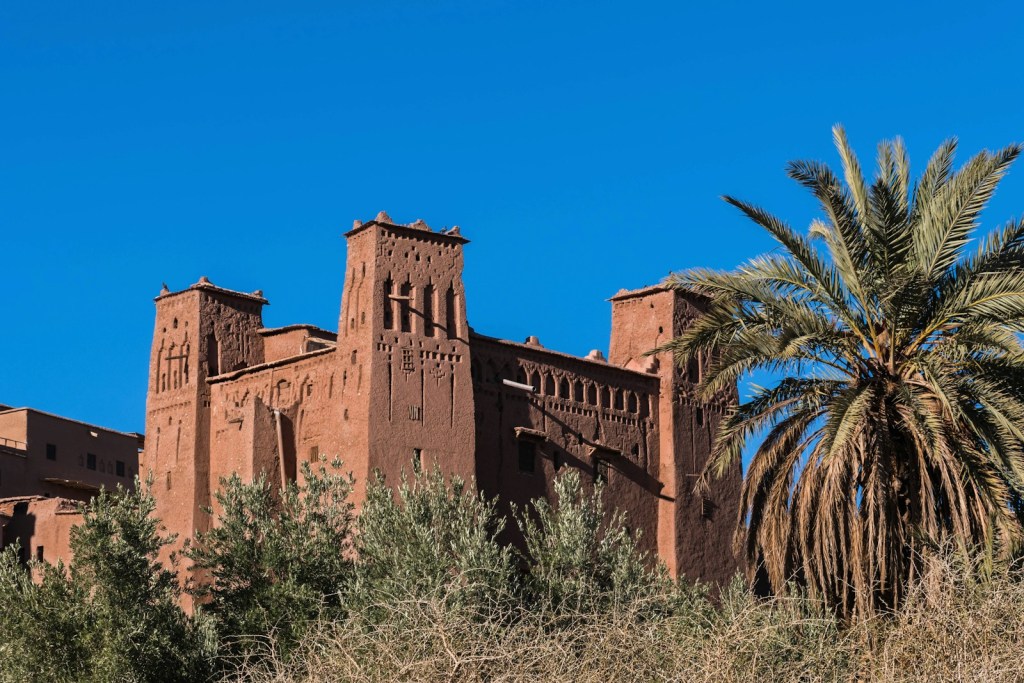
Asilah is Morocco’s dreamy blue-and-white coastal town — but there’s more here than murals. Discover hidden corners, beaches, and how to experience Asilah beyond Instagram.
Suggested Use Of The Itinerary
This meticulously crafted itinerary, from the adventures of the Traveling Taylors, serves as a blueprint for travelers looking to immerse themselves in the rich history, vibrant culture, and breathtaking landscapes of Spain. Whether you’re a seasoned globetrotter or embarking on your first journey to Spain, this itinerary is designed to help you create unforgettable experiences in this enchanting destination.
Please note, all prices listed were accurate at the time of writing and are provided for guidance. Be sure to check with the appropriate agencies or attractions for the most current pricing and availability. Customize this itinerary to suit your needs, trip duration, budget, and interests. Happy travels!
Morocco
Morocco In A Nutshell
Spain captivates with its sunny Mediterranean coastline, historical cities, and energetic festivals. From the majestic Alhambra in Granada to the bustling boulevards of Madrid, the country offers something for every type of traveler. Known for its warm hospitality, dynamic traditions, and tapas culture, Spain invites you to slow down, savor life, and experience the joy of “la buena vida.”
The Moroccan Canvas
Spain is renowned for its diverse landscapes and cultural heritage: think snow-capped peaks in the Pyrenees, golden beaches of Costa del Sol, and historic cities like Toledo and Seville. Whether you’re wandering the corridors of ancient Moorish palaces or enjoying a seaside siesta, Spain’s spirit is as rich as its paella.
The Moroccan Currency
The official currency of Spain is the Euro (€). It is the only accepted currency across the country. While most major credit and debit cards are widely accepted, having some cash on hand is helpful, especially in small towns or local markets.
Spain was one of the first countries to adopt the euro and has used the euro as its only and official currency since January 1st 1999, exactly 13 years (to the day) after it joined the European Union (EU). If you are traveling from a country outside the eurozone, you will be able to change money by showing your passport at a number of exchange offices located in tourist areas, which tend to charge comparatively lower commission rates than elsewhere. You can also get euros from your hotel establishment. Bear in mind that, generally speaking, shops and restaurants do not accept payment in any other currency.
Visa Requirements
Do You Need A Visa?
U.S. citizens can visit Spain for tourism or business for up to 90 days without a visa. You’ll need a valid passport (good for 3 months beyond your stay), proof of accommodation, round-trip flights, and proof of sufficient funds.
Starting in 2025, travelers must also obtain ETIAS authorization to visit 30 European countries, including Spain. It costs €7 (about $8), is valid for 3 years, and allows 90-day stays within any 180-day period. It’s free for those under 18 or over 70. Apply at the official ETIAS website with your personal and travel info.
To stay longer than 90 days, you’ll need to apply for a long-term visa or residence permit before your trip. Overstaying can lead to fines, deportation, and travel bans.
Digital Nomad Visa: Available under Spain’s 2023 Startup Act, this visa is for non-EU/EEA citizens with a remote job or freelance income from outside Spain. You must earn at least €2,400/month, have a degree or professional certification, and apply through a Spanish consulate. It’s valid for 12 months, renewable up to 5 years, and offers potential tax benefits.
Retirement Visa: Spain offers two main retirement Visas:
• Non-Lucrative Visa (for financially independent retirees not seeking employment)
• Golden Visa (for investors in real estate or Spanish businesses)
Both require proof of funds, health insurance, and a clean criminal record. Residency can lead to permanent status after five years. Due to the complexity, consult a Spanish consulate or legal expert when applying.
Table of Contents
Table of Contents
We’ll be honest — we added Asilah to our itinerary because of the photos. Whitewashed alleys, bright murals, ocean views… it looked like a postcard. But when we actually arrived in Asilah, we realized there’s much more here than just pretty walls.
If you’re planning a visit to Asilah, here’s how to experience it beyond the obvious.
Asilah’s Blue & White Streets
Yes — Asilah really is that photogenic.
The medina of Asilah is filled with crisp white walls, cobalt blue doors, and colorful accents that pop against the coastal light. Compared to larger Moroccan medinas, Asilah feels clean, open, and refreshingly calm.
But here’s what many people miss: the beauty of Asilah isn’t just in the main lanes.
Turn into quieter side streets and you’ll find:
Hand-painted doorways
Bougainvillea climbing over walls
Sunlit corners without crowds
Cats lounging in shaded archways
Asilah rewards slow wandering. Don’t rush it.
The Murals That Change Asilah Every Year
One of the most unique things about Asilah is its annual arts festival.
Each summer, artists repaint sections of the medina walls, meaning Asilah constantly evolves. The murals range from bold abstract designs to detailed portraits and minimalist patterns.
That’s what makes Asilah special — it’s traditional yet creative.
When you explore Asilah, you’re not just seeing historic architecture. You’re seeing a living art gallery.
If you visit outside festival season, you’ll still see murals from previous years. Asilah never feels static.
Hidden Corners in Asilah
Some of our favorite moments in Asilah happened when we stepped away from the busiest photo spots.
Look for:
Small residential courtyards
Tiny local bakeries
Quiet rooftop terraces
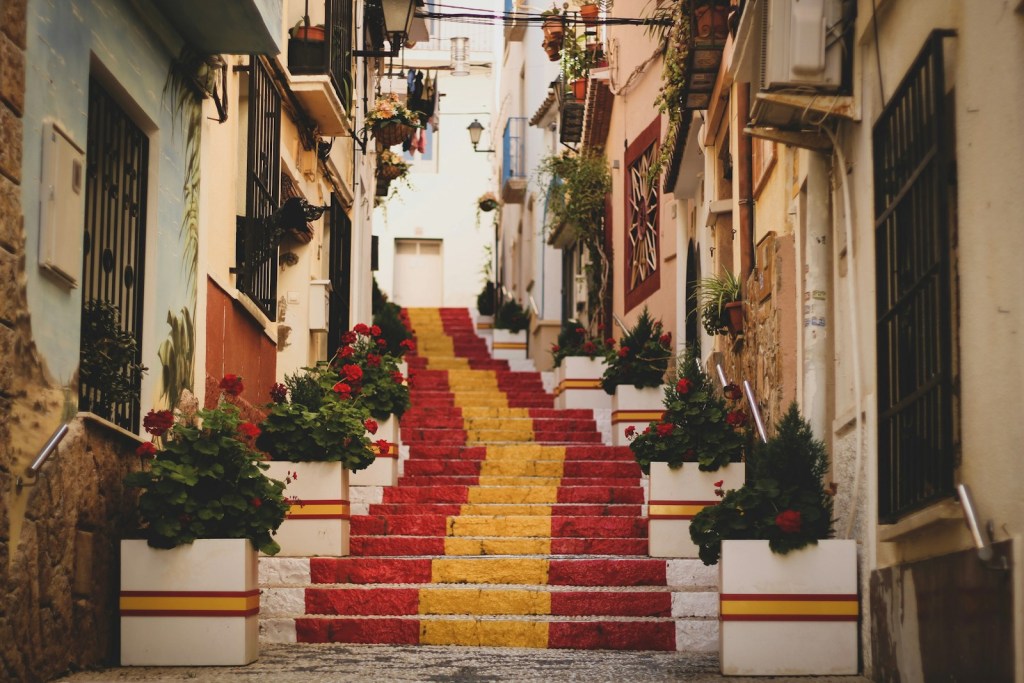
Narrow staircases leading toward the sea
Asilah may be small, but it has depth. The further you wander, the more personal Asilah feels.
Because the medina is compact, you can explore confidently without worrying about getting lost for hours.
Ocean Views in Asilah
Asilah isn’t just about walls and art — it’s about the Atlantic.
Walk along the fortified ramparts of Asilah and you’ll find sweeping ocean views. Waves crash against the rocks below, and seabirds circle overhead.
Sunset in Asilah is especially magical. The white buildings glow golden, and the sea reflects warm hues.
We found that pairing mural-hunting with a coastal walk made Asilah feel balanced — art and nature in one place.
Beaches Near Asilah
If you have extra time, Asilah also offers access to beautiful beaches.
Paradise Beach, located a short drive from Asilah, is a wide sandy stretch perfect for relaxing. Even if you stay closer to town, coastal paths around Asilah provide scenic viewpoints.
Asilah’s beach atmosphere feels calmer than larger resort areas.
It’s another reason why Asilah feels like a retreat.
When to Visit Asilah
Timing can shape your experience in Asilah.
Summer: Lively atmosphere during the arts festival. Spring & Autumn: Ideal weather and fewer crowds. Winter: Quiet and peaceful, though cooler.
No matter the season, Asilah shines in the late afternoon. The soft light makes every white wall and blue doorway glow.
Is Asilah Worth More Than a Day Trip?
Many travelers visit Asilah as a quick stop between larger cities.
But here’s our honest advice: if you can, stay overnight.
Asilah changes in the evening. Once day visitors leave, the medina feels intimate and peaceful. Morning in Asilah is equally special — quiet alleys, fresh sea air, and slow café culture.
Even one night makes Asilah feel more personal.
Why Asilah Is Easy to Love
Asilah doesn’t overwhelm you. There are no massive markets or grand monuments competing for attention. Instead, Asilah charms you with simplicity — white walls, blue doors, art-filled corners, and endless ocean views. For us, Asilah felt like a creative pause in the middle of a busy itinerary. If you come to Asilah expecting only Instagram shots, you’ll get them. But if you slow down and explore beyond the obvious, Asilah reveals something softer and more memorable and that’s exactly why we loved it.
The best time to explore Spain is during the spring (April–June) or autumn (September–October), when the weather is mild and perfect for sightseeing or coastal escapes. These seasons also bring vibrant festivals, fewer crowds, and a more relaxed pace—ideal for soaking in Spain’s cultural magic and scenic beauty.
Entry Essentials
For most travelers, including U.S. citizens, a valid passport with at least 3 months beyond your planned departure date is required to enter Spain. No visa is needed for stays under 90 days, but always double-check your country’s entry requirements, and make sure to enroll in the ETIAS system once it becomes active.
Morocco Style Guide
Spain’s fashion-forward cities and varied climate call for a mix of stylish and practical wear. Lightweight clothing, a scarf or light jacket, and comfortable shoes are essentials, while modest attire is recommended for churches and religious sites to show respect.
The MoroccanTravel Creed
Travel through Spain with curiosity, courtesy, and cultural appreciation. Whether you’re savoring paella by the sea or dancing in a village square, embrace the traditions, support local artisans, and let the passion of Spain’s people inspire every moment of your journey.
Budgeting In Morocco
The Euro
The Euro, which uses the currency sign €, is the official monetary currency of Spain. If you are traveling from a country outside the eurozone, you will be able to change money by showing your passport at a number of exchange offices located in tourist areas, which tend to charge comparatively lower commission rates than elsewhere. You can also get euros from your hotel establishment. Bear in mind that, generally speaking, shops and restaurants do not accept payment in any other currency.
Carrying small denominations is ideal for taxis, cafés, and tipping.
Using Euros in Spain
While credit and debit cards are widely accepted in cities and tourist areas across Spain, it’s always wise to carry some Euros in cash—especially when venturing into smaller towns, rural areas, or local markets. Many small eateries, cafés, street vendors, and transportation kiosks may only accept cash or have card minimums. Having smaller denominations on hand—such as €5, €10, or €20 bills—makes daily transactions smoother, and coins are particularly useful for public restrooms, buses, and tipping.
ATMS
ATMs are abundant in cities and tourist areas, compatible with Visa/Mastercard. Withdrawal fees range from €2–€5, and it’s recommended to withdraw in Euros to avoid dynamic currency conversion.
ATMs in Spain generally accept Visa and Mastercard debit and credit cards, so you should be able to use your card abroad without any issues. However, it’s wise to check with your home bank or card provider about any potential international transaction fees. While notifying your bank of your travel plans isn’t always necessary, doing so can help prevent your transactions from being mistakenly flagged as fraudulent, which could result in your card being blocked.
TIP
When using an ATM in Spain you’ll often be asked if you want the transaction to be processed in U.S. Dollars or Euros. While it may seem convenient to choose USD, it’s better to withdraw in the local currency without conversion. If you choose USD, the ATM applies its own exchange rate through dynamic currency conversion, which usually offers a poor rate and results in higher costs. By declining the ATM’s conversion, your bank or card provider will handle the exchange, typically offering a more favorable rate.
Tipping and Bargaining
Tipping is optional but appreciated – leave small change or round up in cafés and restaurants. Bargaining is uncommon in stores but can be acceptable in flea markets. Approach with good humor!
Budgeting in Euros
Spain offers incredible value for travelers, whether you’re on a backpacker’s budget or seeking luxury experiences. On average, budget travelers can comfortably spend around €50–€80 per day, which includes staying in hostels, eating local fare, and using public transportation. A mid-range budget of €100–€150 per day covers boutique accommodations, entrance to major attractions, and a few splurge meals. Luxury travelers may spend €200+ daily with high-end lodging, fine dining, and private tours.
Meals at local tapas bars can cost as little as €10–€15, while a more elaborate dinner with drinks might range between €30–€50. Museum or palace entries typically cost €8–€15, and many cities offer multi-attraction passes or free entry on certain days, helping you stretch your Euro further. Factor in additional costs for high-speed train tickets, day trips, and perhaps a flamenco show or cooking class to make your trip truly unforgettable.
Morocco Travel Tips
Embrace The Spanish Schedule
Spaniards dine and relax at a different pace. Lunch typically starts around 2 PM, and dinner is rarely served before 9 PM. Many shops and businesses close in the afternoon for a siesta, especially in southern regions. Don’t fight the flow—embrace the rhythm by planning sightseeing in the mornings and evenings, and resting or enjoying a long lunch in the heat of the day.
Book Tickets To Major Attractions Online
Iconic sites like often sell out days or even weeks in advance, especially during peak travel seasons. Booking ahead guarantees entry and often lets you skip long lines. Some attractions also offer guided tours or combo tickets that include audio guides, making your visit more informative and immersive.
Use Google Translate or a Phrasebook
While English is spoken in tourist hotspots, many locals in smaller towns and rural areas speak only Spanish—or Catalan, Basque, or Galician, depending on the region. Having a translation app can help navigate menus, read signs, and communicate with locals. Even learning a few basic phrases like “Por favor” (please), “Gracias” (thank you), and “¿Dónde está el baño?” (Where is the bathroom?) can go a long way in building goodwill and enriching your travel experience.
Be Cautious With Public Wi-Fi
While most cafés, hotels, and public spaces offer free Wi-Fi, these networks are often unsecured. Avoid accessing sensitive information like banking apps, and consider using a VPN for safe browsing. Alternatively, buying a local SIM card with a data plan from providers like Orange, Vodafone, or Movistar is an affordable and secure option, especially for longer stays or remote working.
Pack For Variety
Spain’s geography and weather vary greatly from region to region. In summer, coastal cities like Valencia and Málaga can be hot and humid, while mountain areas like the Pyrenees may be cool and breezy. Bring layers, a mix of city-chic outfits, beachwear, and modest attire for churches and cathedrals, where shoulders and knees should be covered. Comfortable walking shoes are a must, as Spain’s cobblestone streets and historic sites often require lots of walking.
Frequently Asked Travel Questions
1. When should I book my flight?
We recommend booking your flight at least 6-8 weeks in advance for domestic trips and 2-3 months ahead for international travel. If you’re planning to travel during peak seasons or holidays, it’s best to book even earlier to lock in better prices and secure your preferred dates.
2. How much cash should I bring?
We usually bring enough cash to cover small expenses like transportation, tips, and meals- usually around $300-500. We rely on our travel credit cards and don’t really withdraw money from ATMs- only if we run out of cash. We typically carry about $100-$200 in local currency depending on the length and place of stay and then exchange some of our cash at a local currency exchange, if necessary.
3. Where should I convert my money—at home or at my destination?
We like to convert a small amount of cash before leaving so we’re covered for any initial costs like local transportation or tips. However, we’ve found that exchanging money at our destination usually gives us a better exchange rate. We also make sure to check our credit cards beforehand about any international fees.
4. Do I need travel insurance?
We recommend getting travel insurance if you’re on the older side, if you have specific health issues that may cause you to need to change your trip, or if you have a schedule that changes often. Travel insurance is just one of those things that’s better to have and not need than the other way around.
5. Is it safe for me to drink the tap water?
That really depends on where your going. In some countries, tap water is perfectly safe to drink, but in others, we stick to bottled or filtered water just to be safe. We always do a little research before we travel, and when we’re unsure, we opt for bottled water to avoid any health issues.
6. What should I pack for my trip?
We like to pack light (though we never do) and focus on the essentials—comfortable clothes, walking shoes, travel-sized toiletries, chargers, and any necessary adapters. We also bring a basic first-aid kit, sunscreen, and paper copies of important documents like our passport and travel insurance details, just in case we can’t find the orginals.
7. How can I stay connected while traveling?
We usually start by checking if our mobile carrier offers international plans. If not, buying a local SIM card or using an eSIM app tends to be a cheaper and more convenient option. We also take advantage of Wi-Fi at hotels, cafés, and airports whenever possible to save on data.
8. What’s the best way for me to get around once I arrive?
That really depends on where we’re going. We like to research local transportation options ahead of time, whether it’s public transit, ride-sharing apps, renting a car, or walking. In some places, taxis or organized tours are the easiest choice, but in others, buses and trains are much more affordable and efficient.
9. How can I keep my valuables safe while traveling?
We try to keep valuables to a minimum when we’re out and about. Important items like passports, extra cash, and important documents usually stay in a hotel safe or a locked suitcase. We also stay aware of our surroundings and avoid flashing valuables in public spaces.
10. What should I do if there’s an emergency while I’m traveling?
Before we leave, we save key contact information like local emergency numbers, our country’s embassy, and our travel insurance hotline. If something happens, we stay calm, reach out to local authorities if needed, and contact our travel insurance provider for any assistance with medical or travel-related emergencies.
Farewell, with a Spanish ¡Hasta Luego!
As your adventure through Spain draws to a close, may your heart be full of sunset strolls, savory bites, and stories to last a lifetime. ¡Hasta luego! – Until we meet again.
[save_as_pdf_pdfcrowd]
Experience Our Cambodian Travels
Watch our travel vlogs and experience our travels with us!
Make your next adventure stress-free and unforgettable by planning your trip with our expert travel agent. From finding the best deals on flights and accommodations to curating personalized itineraries tailored to your interests, we handle all the details so you can focus on enjoying your journey. Let us take the hassle out of travel planning and create a seamless experience just for you!
👋 We're Ashleigh & Marva- A Mother Daughter Duo Traveling The World!
Join our free community and travel the world with us, get exclusive behind the scenes of our adventures, receive travel tips, and get access to curated itineraries !