

We climbed Edinburgh Arthur’s Seat for the views, but came away fascinated by its backstory. This isn’t just a hill; it’s an ancient volcano, a place of legend, and one of Edinburgh’s most storied landmarks. Here’s what makes Arthur’s Seat far more than a photo op.
Get To Know The Traveling Taylors!
1. An Extinct Volcano in the Middle of the City
- Arthur’s Seat is part of an ancient volcanic system, active over 300 million years ago.
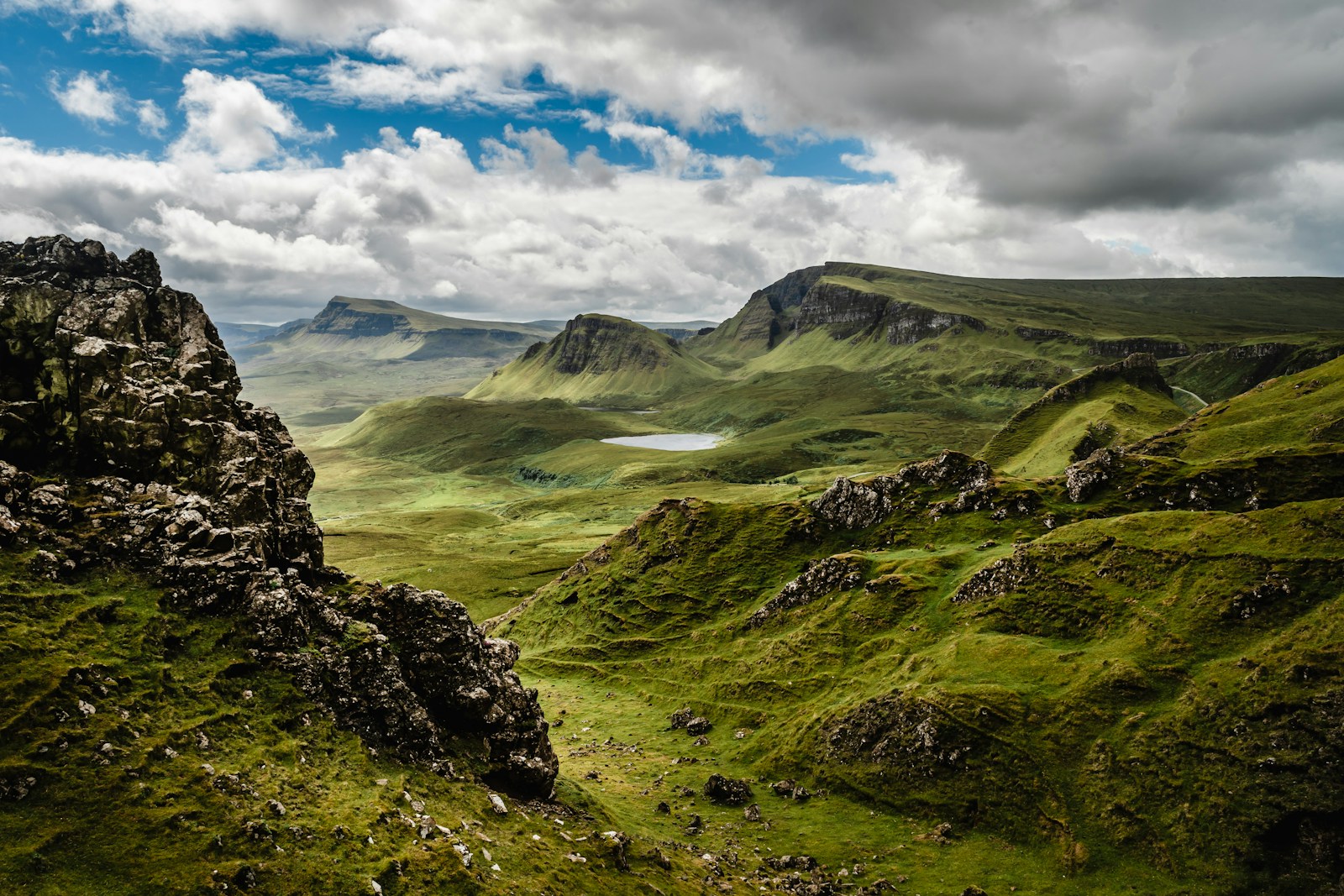
- The craggy landscape of Holyrood Park was shaped by lava flows and glacial erosion.
- Geology lovers will notice layers of basalt and sandstone along the trails.
2. The Name: King Arthur Connection?
- Some believe it’s linked to King Arthur and the legendary Camelot.
- Others argue it’s a linguistic twist on the Gaelic “Ard-na-Said” (height of arrows).
- No confirmed link, but the mystery adds to its charm.
3. A Royal Playground
- Holyrood Park, including Arthur’s Seat, is managed by Historic Environment Scotland.
- Once part of a royal hunting estate connected to Holyrood Palace.
- Royals used the land for falconry and leisure walks.
4. Ancient Settlements
- Archaeological finds show Iron Age hill forts once stood on the slopes.
- You can still see remnants of terracing and ancient boundaries.
- The area has likely been inhabited or used for over 2,000 years.
5. A Place of Rituals and Mystery
- In 1836, a group of boys found 17 tiny coffins hidden in a cave.
- The purpose is still debated—some say witchcraft, others think it was a memorial.
- This tale remains one of Edinburgh’s unsolved mysteries.
Arthur’s Seat: More Than a Scenic Climb
Hiking Edinburgh Arthur’s Seat isn’t just about panoramic views. You’re walking over volcanic stone, royal grounds, and legendary soil. Take your time at the top—there’s centuries beneath your feet.











Share your thoughts with us! Leave a Comment!