
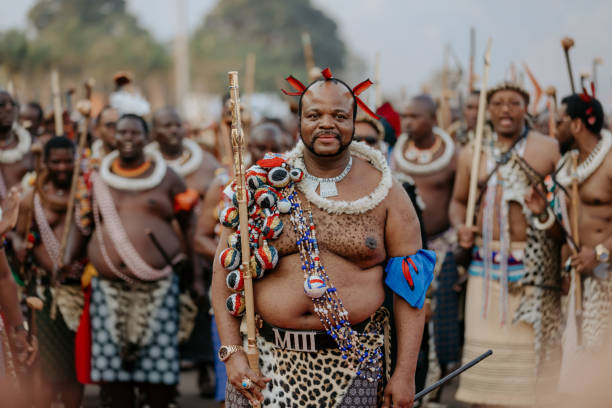
When we visited Eswatini, one of the most fascinating things we learned about was the role of the E-Swatini King. It’s not just history—it’s a living, active monarchy that shapes daily life, culture, and even travel experiences in ways most visitors don’t expect.
Get To Know The Traveling Taylors!
Who Is the E-Swatini King?
The current E-Swanini King is King Mswati III, one of the last absolute monarchs in the world. Unlike constitutional monarchies, the E-Swatini King holds significant political and cultural power.
Here’s what makes this unique:
- The king has authority over government decisions
- He plays a central role in national identity
- Traditions tied to the monarchy are still actively practiced
Understanding the E-Swatini King helps you better understand the country itself.
Why the E-Swatini King Still Holds Power
Many travelers are surprised that the E-Swatini King isn’t just symbolic. His role is deeply rooted in tradition and governance.
Key Reasons:
- Cultural continuity: The monarchy is tied to Swazi identity
- Political structure: The system supports centralized leadership
- Public ceremonies: National events reinforce royal influence
The E-Swatini King represents both the past and present of the nation.
The Lifestyle of the E-Swatini King
One of the most talked-about aspects of the E-Swatini King is his lifestyle.
What You Should Know:
- The king lives in multiple royal residences
- He is known for a large royal family
- His lifestyle often reflects both tradition and modern influence
This contrast is part of what makes the E-Swatini King such a widely discussed figure.
Royal Traditions Travelers Should Know
The E-Swatini King is closely connected to cultural ceremonies that visitors may experience.
Umhlanga (Reed Dance)
- One of the most famous events in E-Swatini
- Celebrates culture, unity, and tradition
- Attended and led by the E-Swatini King
Incwala Ceremony
- A sacred national ritual
- Symbolizes renewal and kingship
- Strongly linked to the authority of the E-Swatini King
Pro Tip: If your visit aligns with these events, it’s a rare chance to see the monarchy in action.
What the E-Swatini King Means for Travelers
While you may not interact directly with the E-Swatini King, his influence shapes your experience.
How It Affects Your Trip:
- Cultural respect is very important
- Certain traditions should be observed respectfully
- National pride in the monarchy is strong
Being aware of the E-Swatini King helps you travel more thoughtfully.
Common Misconceptions About the E-Swatini King
There are many myths surrounding the E-Swatini King, especially among first-time visitors.
Myth vs Reality:
- Myth: The king is only ceremonial
Reality: He holds real governing power - Myth: Traditions are outdated
Reality: They are actively practiced and respected - Myth: Tourists can ignore cultural norms
Reality: Respect is expected, especially around royal topics
Understanding these points can help you avoid awkward or disrespectful situations.
Can You Visit Royal Sites?
Some places connected to the E-Swatini King are accessible to visitors—but not all.
What’s Possible:
- Cultural villages explaining royal traditions
- Museums with historical context
- Public events and festivals
What’s Restricted:
- Private royal residences
- Certain sacred sites
Always check guidelines before visiting places linked to the E-Swatini King.
Respecting the E-Swatini King and Culture
Respect goes a long way when visiting Eswatini.
Simple Guidelines:
- Dress modestly at cultural events
- Ask before taking photos
- Be mindful when discussing the monarchy
The E-Swatini King is deeply respected, and visitors are expected to show the same respect.
Understanding the E-Swatini King Before You Visit
Learning about the E-Swatini King adds depth to your trip—it turns what you see into something more meaningful. From ceremonies to daily life, the monarchy influences much more than most travelers realize.
Once you understand the role of the E-Swatini King, you’ll see E-Swatini differently—not just as a destination, but as a country with a unique and living cultural identity.













Share your thoughts with us! Leave a Comment!