Looking for the best rides at Yas Waterworld in Abu Dhabi? This guide ranks the top thrills, family slides, and splash zones—plus tips to beat the lines.
Suggested Use Of The Itinerary
This meticulously crafted itinerary, from the adventures of the Traveling Taylors, serves as a blueprint for travelers looking to immerse themselves in the rich history, vibrant culture, and breathtaking landscapes of The United Arab Emirates. Whether you’re a seasoned globetrotter or embarking on your first journey to Spain, this itinerary is designed to help you create unforgettable experiences in this enchanting destination.
Please note, all prices listed were accurate at the time of writing and are provided for guidance. Be sure to check with the appropriate agencies or attractions for the most current pricing and availability. Customize this itinerary to suit your needs, trip duration, budget, and interests. Happy travels!
United Arab Emirates
The UAE In A Nutshell
The United Arab Emirates (UAE) captivates with its blend of towering skyscrapers, golden deserts, and vibrant traditions. From the world’s tallest building, the Burj Khalifa, to bustling souks, pristine beaches, and majestic mosques, the UAE offers experiences that cater to every type of traveler. Known for its warm hospitality, rich cuisine, and innovative spirit, the UAE invites you to explore its dynamic charm and traditions.
The UAE Canvas
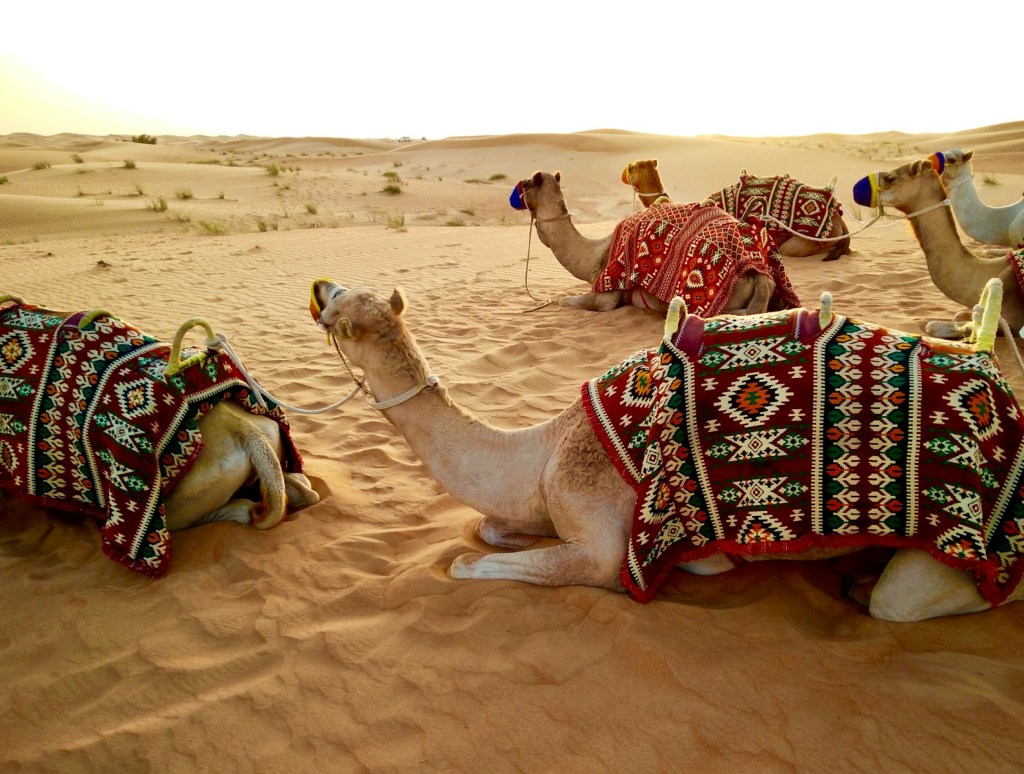
The UAE is renowned for its stunning architectural feats, cultural treasures, and natural wonders, ranging from the Empty Quarter Desert (Rub’ al Khali) to UNESCO-protected Al Ain Oasis and the Sheikh Zayed Grand Mosque. Its rich heritage is celebrated through vibrant festivals, centuries-old souks, camel racing, and Emirati hospitality, offering visitors an unforgettable immersion into the UAE’s diverse beauty.
The UAE Currency
The official currency of the United Arab Emirates is the United Arab Emirates Dirham (AED). The Dirham is widely used across all seven emirates and is the standard for most transactions. When shopping at malls, dining at restaurants, or paying for services, prices are typically listed in Dirhams. While credit and debit cards are widely accepted in urban centers like Dubai and Abu Dhabi, it’s always advisable to carry some cash, especially when venturing into traditional markets (souks) or smaller towns.
In major tourist areas, especially high-end hotels, large shopping centers, and international airports, foreign currencies such as the U.S. Dollar, Euro, and British Pound may sometimes be accepted. However, relying solely on foreign currency is not recommended, as exchange rates offered on the spot may be unfavorable, and smaller businesses often insist on payment in Dirhams. For the most seamless experience, it’s best to exchange some money upon arrival or withdraw Dirhams from local ATMs, ensuring you’re ready for both everyday purchases and unique cultural experiences throughout your journey.
Visa Requirements
Do You Need A Visa?
Most travelers need a visa to enter the UAE, though U.S. citizens can receive a 30-day visa on arrival. Employment visas are divided between Free Zone and Mainland options, offering different work permissions and benefits. Other visa pathways include the Digital Nomad Visa for remote workers, the Retirement Visa for residents aged 55+, and the Golden Visa for investors, entrepreneurs, and highly skilled professionals.
Each visa type has specific eligibility criteria, such as proof of employment, income minimums, and health insurance coverage. Programs like the Virtual Working Program and the Retirement Visa make it easier for people to live and work in the UAE. Understanding your visa options ensures a smoother experience, whether you’re visiting short-term or building a new life in this dynamic country.
Table of Contents
Table of Contents
Yas Waterworld is Abu Dhabi’s crown jewel of waterparks—and with over 40 rides and attractions, it’s easy to feel overwhelmed. Whether you’re after heart-racing drops or gentle family slides, this ride-ranking guide covers the absolute must-dos and insider tips to help you maximize your splash time.
A 20-meter-high slide that sends riders spiraling into a giant funnel at lightning speed. Thrill Factor: 🔥🔥🔥🔥🔥 Pro Tip: Grab a group of 4+ to avoid waiting for a full raft.
2. Bandit Bomber – Suspended Water Coaster
The region’s only rollercoaster with onboard water jets and lasers. Ride it above the park and blast bystanders below. Thrill Factor: 🔥🔥🔥🔥 Best Time: Mornings before queues build.
3. Liwa Loop – The Drop Slide
A near-vertical drop slide that releases you from a transparent capsule—blink and you’ll miss it. Thrill Factor: 🔥🔥🔥🔥🔥 Pro Tip: Empty your pockets and take a deep breath!
4. Falcon’s Falaj – Giant Family Raft Ride
A group tube ride through sharp turns and quick drops—great for families or groups of friends. Thrill Factor: 🔥🔥🔥 Perfect For: Sharing laughs without the adrenaline overload.
5. Yadi Yas – Lazy River with a Twist
It’s a mellow float—but watch out for occasional water effects that’ll surprise you. Thrill Factor: 🔥 Tip: Great for cooling off mid-day or taking a breather between bigger rides.
6. Bubbles Barrel – Surf Simulator
Home to the world’s largest surfable sheet wave. Try bodyboarding or flowboarding—falling is half the fun. Thrill Factor: 🔥🔥🔥 Pro Tip: Book a session during off-peak hours if you want more time to practice.
7. Tot’s Playground & Yehal Zone – For the Little Ones
Colorful slides, gentle splash areas, and mini-tipping buckets for toddlers and young kids. Thrill Factor: 🔥 (for tiny humans) Parent Tip: Shaded areas and soft flooring make this zone a hit with families.
💦 Maximize Your Yas Waterworld Experience
To get the most out of your day, arrive early, wear water shoes, and consider a Q-Fast pass for peak times. Whether you’re in it for the thrill rides or family fun, Yas Waterworld delivers a top-tier waterpark experience with something for everyone.
The best time to visit the UAE is November to March, when the weather is cooler (average 24°C/75°F) — perfect for desert adventures, city tours, and beach days. This season also hosts major events like the Dubai Shopping Festival and Abu Dhabi Grand Prix.
Entry Essentials
For U.S. citizens, EU citizens, and many others, a visa on arrival is available. Your passport must be valid for at least 6 months beyond your entry date. Check your eligibility — some nationalities must apply for a visa in advance.
The UAE Style Guide
Given the UAE’s hot desert climate, lightweight, breathable clothing is essential. When visiting mosques, women should cover hair, arms, and legs; men should avoid shorts. Always carry a scarf or shawl if you’re planning spontaneous cultural visits.
The UAE Travel Creed
Respect the UAE’s rich traditions, Islamic customs, and welcoming spirit. Support local artisans, savor Emirati flavors, and immerse yourself with open-minded curiosity. Every skyline and sand dune tells a story — travel thoughtfully and leave only footprints in this remarkable land.
Budgeting In The UAE
The Dirham
The official currency of the UAE is the United Arab Emirates Dirham (AED). In tourist areas, major foreign currencies like the U.S. Dollar, Euro, and British Pound are sometimes accepted, but most transactions are done in Dirhams.
Banknotes and Coins
The Dirham (AED) is available in denominations of 5, 10, 20, 50, 100, 200, 500, and 1000. Coins (fils) are typically in 1 AED, 50 fils, and 25 fils. It’s advisable to carry small change, especially when visiting markets, taxis, or small cafes.
Using Dirhams in The UAE
While hotels, malls, and larger establishments accept credit cards and sometimes foreign currencies, it’s best to have local currency on hand for taxis, local markets, and smaller vendors.
ATMS
ATMs are widely available in most major cities and towns in Dubai. You’ll find them at bank branches, on street corners, at major stores and in shopping malls. You’ll also find them in the airport. ATMs at airports tend to be very expensive, charging high fees for withdrawing money or converting currency so even though they may be convenient, they’re best avoided unless you have no other option. Although there are some fee-free ATMs in Dubai, the majority of bank ATMs charge between AED 22 to AED 26.26 (UAE Dirham) per transaction to foreign cardholders and some bank ATMs do not charge fees to some specific foreign cards.
ATMs in The UAE generally accept Visa, Mastercard, Amex, and Discover cards, though it’s important to watch out for potential fees, especially with Amex. Amex cards can incur higher ATM fees, immediate cash advance interest, and extra charges, so using fee-free ATMs when possible is recommended. Discover cards are accepted at ATMs displaying the Discover or JCB logo, and while they usually avoid foreign transaction fees, operator and cash advance fees may still apply. Always withdraw in UAE Dirhams to avoid unnecessary currency conversion charges, and be aware that Dubai ATM withdrawal limits typically range from AED 5,000 to AED 50,000 depending on your card and bank. Check your home bank’s withdrawal limits and potential fees before traveling, as both your bank and the ATM provider may impose restrictions. While not always necessary, it’s smart to notify your bank about your travel plans to avoid having your card flagged for suspicious activity and potentially blocked.
TIP
When you use an ATM abroad, you’ll usually see a screen asking if you want the transaction to be carried out in United States Dollars or the local currency – which in this case is AED. While it may seem sensible to choose $US, this would be a mistake. Always choose to withdraw in the local currency without conversion, or the ATM will apply its own exchange rate using something called Dynamic Currency Conversion. These rates are nearly always poor, meaning that the withdrawal costs you more – and you’ll have less spending money for your trip. Decline the ATM conversion, and it’ll be carried out by your bank or card provider instead. These tend to give a better conversion rate.
Tipping and Bargaining
Tipping is optional but appreciated – leave small change or round up in cafés and restaurants. Bargaining is uncommon in stores but can be acceptable in flea markets.
Budgeting in Dirhams
Dubai offers an exciting range of experiences for every budget, whether you’re a backpacker or looking for luxury. On a tighter budget, travelers can expect to spend around AED 250–400 per day, which covers hostel stays, affordable local meals, metro rides, and entry to select attractions. A comfortable mid-range budget of AED 500–800 per day allows for boutique hotels, a mix of casual and fine dining, museum visits, and activities like desert safaris. For those seeking luxury, expect to spend AED 1,000+ daily, enjoying five-star hotels, fine dining, private excursions, and VIP experiences like yacht charters or spa days.
Dining out can be surprisingly affordable, with delicious meals at local shawarma stands or food courts costing as little as AED 15–30, while a full meal at a nice restaurant may range between AED 100–300. Entrance fees for popular attractions like the Burj Khalifa or Dubai Frame typically cost around AED 50–150, and many experiences like beaches or souk explorations are free. Keep in mind, taxis and ride-shares are reasonably priced, but using the metro can significantly stretch your Dirhams. For a memorable trip, factor in optional experiences like desert safaris, day trips to Abu Dhabi, or a dhow dinner cruise. Careful planning lets you enjoy the best of Dubai, no matter your budget!
The UAE Travel Tips
Respect Local Customs
Dress modestly when in public areas, covering shoulders and knees as a sign of respect, especially at religious sites. During Ramadan, be even more mindful by avoiding eating, drinking, or smoking in public during daylight hours. Modest behavior and attire show cultural awareness and are highly appreciated by locals. Always carry a light scarf or jacket for spontaneous visits to mosques or cultural sites.
Stay Hydrated
The desert heat in the UAE can be intense, even during the cooler months. Always carry a bottle of water with you, particularly when sightseeing outdoors or spending time at the beach. Dehydration can set in quickly, so take regular breaks in shaded or air-conditioned areas. Many hotels and malls offer free water stations, making it easy to refill throughout the day.
Download Key Apps
To navigate the UAE efficiently, download essential apps like Careem for ride-hailing, Talabat for food delivery, and Dubai Now for a range of city services. These apps will save you time and make everyday logistics easier. They are user-friendly, widely used by locals and tourists alike, and often offer promotions. Having them ready on your phone before you arrive will enhance your travel experience.
Plan Ahead for Festivals
Major holidays such as Eid al-Fitr and Eid al-Adha bring vibrant celebrations but also very large crowds at malls, attractions, and airports. If your visit coincides with these festivals, be sure to book hotels, restaurant reservations, and tours well in advance. Prices can rise quickly during holiday periods, and popular experiences may sell out. Planning ahead ensures a smoother and more enjoyable trip.
Weekend is Friday–Sunday
Unlike in many countries where the weekend falls on Saturday and Sunday, the UAE observes its weekend from Friday to Sunday. Fridays are especially significant, with midday prayers affecting business hours and public schedules. Plan your activities accordingly, noting that Friday mornings are generally quieter, and many businesses open later in the day. Adjusting to this rhythm will help you make the most of your itinerary.
Frequently Asked Travel Questions
1. When should I book my flight?
We recommend booking your flight at least 6-8 weeks in advance for domestic trips and 2-3 months ahead for international travel. If you’re planning to travel during peak seasons or holidays, it’s best to book even earlier to lock in better prices and secure your preferred dates.
2. How much cash should I bring?
We usually bring enough cash to cover small expenses like transportation, tips, and meals- usually around $300-500. We rely on our travel credit cards and don’t really withdraw money from ATMs- only if we run out of cash. We typically carry about $100-$200 in local currency depending on the length and place of stay and then exchange some of our cash at a local currency exchange, if necessary.
3. Where should I convert my money—at home or at my destination?
We like to convert a small amount of cash before leaving so we’re covered for any initial costs like local transportation or tips. However, we’ve found that exchanging money at our destination usually gives us a better exchange rate. We also make sure to check our credit cards beforehand about any international fees.
4. Do I need travel insurance?
We recommend getting travel insurance if you’re on the older side, if you have specific health issues that may cause you to need to change your trip, or if you have a schedule that changes often. Travel insurance is just one of those things that’s better to have and not need than the other way around.
5. Is it safe for me to drink the tap water?
That really depends on where your going. In some countries, tap water is perfectly safe to drink, but in others, we stick to bottled or filtered water just to be safe. We always do a little research before we travel, and when we’re unsure, we opt for bottled water to avoid any health issues.
6. What should I pack for my trip?
We like to pack light (though we never do) and focus on the essentials—comfortable clothes, walking shoes, travel-sized toiletries, chargers, and any necessary adapters. We also bring a basic first-aid kit, sunscreen, and paper copies of important documents like our passport and travel insurance details, just in case we can’t find the orginals.
7. How can I stay connected while traveling?
We usually start by checking if our mobile carrier offers international plans. If not, buying a local SIM card or using an eSIM app tends to be a cheaper and more convenient option. We also take advantage of Wi-Fi at hotels, cafés, and airports whenever possible to save on data.
8. What’s the best way for me to get around once I arrive?
That really depends on where we’re going. We like to research local transportation options ahead of time, whether it’s public transit, ride-sharing apps, renting a car, or walking. In some places, taxis or organized tours are the easiest choice, but in others, buses and trains are much more affordable and efficient.
9. How can I keep my valuables safe while traveling?
We try to keep valuables to a minimum when we’re out and about. Important items like passports, extra cash, and important documents usually stay in a hotel safe or a locked suitcase. We also stay aware of our surroundings and avoid flashing valuables in public spaces.
10. What should I do if there’s an emergency while I’m traveling?
Before we leave, we save key contact information like local emergency numbers, our country’s embassy, and our travel insurance hotline. If something happens, we stay calm, reach out to local authorities if needed, and contact our travel insurance provider for any assistance with medical or travel-related emergencies.
Farewell, with a Warm “Ma’a as-salama”
As your journey through the UAE comes to a close, reflect on the breathtaking skyscrapers, the serenity of the desert, and the kindness of its people. In the spirit of “Ma’a as-salama” (Go with peace), we bid you farewell — until your next adventure under the Arabian sun!
Experience Our UAE Travels
Watch our travel vlogs and experience our travels with us!
Make your next adventure stress-free and unforgettable by planning your trip with our expert travel agent. From finding the best deals on flights and accommodations to curating personalized itineraries tailored to your interests, we handle all the details so you can focus on enjoying your journey. Let us take the hassle out of travel planning and create a seamless experience just for you!
👋 We're Ashleigh & Marva- A Mother Daughter Duo Traveling The World!
Join our free community and travel the world with us, get exclusive behind the scenes of our adventures, receive travel tips, and get access to curated itineraries !