
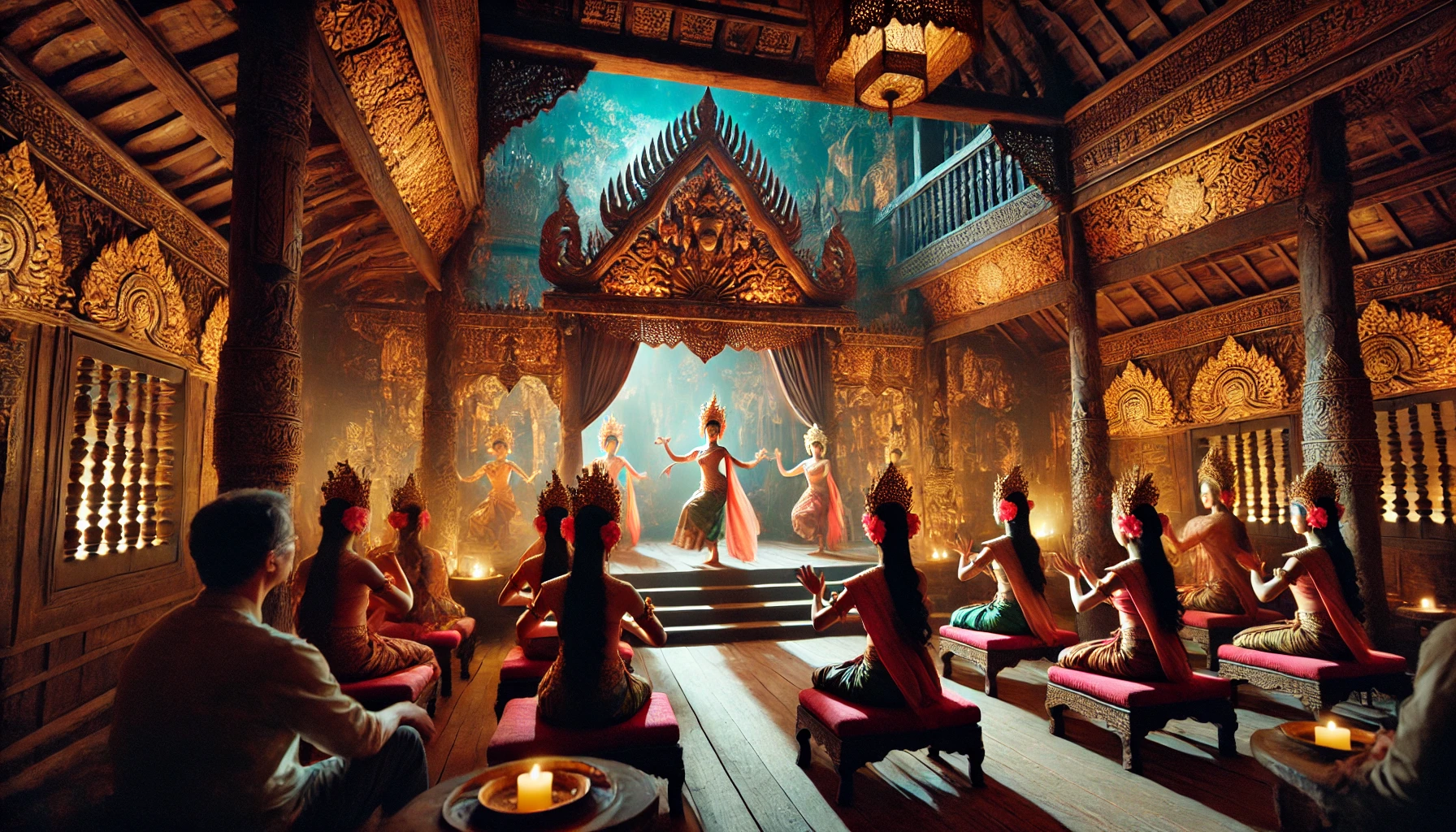
We’d seen photos of Apsara dancers before arriving in Cambodia—hands curved like lotus petals, faces serene, costumes glittering. But it wasn’t until we saw the dance live in Siem Reap that we truly understood its power. This isn’t just a performance—it’s a story, a tradition, and a symbol of Cambodia’s soul. Here’s what the Apsara Dance really means, where it comes from, and why it continues to enchant both locals and travelers alike.
Experience The Apsara Dance With Us!
The Origins: Mythology and Angkor Glory
The word Apsara comes from ancient Sanskrit and refers to celestial nymphs—heavenly dancers found in Hindu and Buddhist mythology. These divine beings were said to entertain gods and kings with their beauty and grace.
In Cambodia, the Apsara was immortalized in the stone carvings of Angkor Wat, where over 1,500 Apsara figures are etched into temple walls. These aren’t just decorations—they were spiritual symbols, representing divine femininity, cosmic balance, and blessings for the kingdom. Some travelers memorialize their experience in Siem Reap with a keepsake journal like this one thoughtfully designed for travelers who love capturing memories, documenting adventures, and preserving the fun of every trip.
What the Dance Represents
Apsara Dance is a form of classical Khmer dance, originally performed in royal courts and sacred temples. Every movement is symbolic:
- Hand gestures (mudras) convey emotions, natural elements, or spiritual offerings
- Steps and turns follow strict patterns tied to cosmic rhythm
- Facial expressions remain soft and serene, embodying elegance and restraint
The dance tells stories from Cambodian myths, such as the Churning of the Ocean of Milk, and themes of harmony, prosperity, and spiritual devotion. For travelers who want high-quality photos and videos of the Apsara Dance, a lightweight mirrorless camera like this one is a popular choice among content creators and travel photographers.

The Costume: A Royal Statement
Apsara dancers wear ornate costumes inspired by the Angkor carvings. Details include:
- Tight-fitting silk tops and long, pleated sampots (skirts)
- Golden crowns and headdresses symbolizing celestial royalty
- Intricate jewelry—bracelets, anklets, and chokers
- Heavy makeup and soft smiles that enhance their ethereal appearance
These costumes aren’t just for show—they reflect the grandeur of the ancient Khmer Empire and honor the sacred roots of the dance.
Many travelers recommend an ultimate travel action camera like this for capturing stunning photos and videos of every adventure in incredible detail.
Why Apsara Dance Matters Today
During the Khmer Rouge era, many traditional art forms, including classical dance, were nearly lost. Today, Apsara Dance has been carefully revived and is protected as a UNESCO Intangible Cultural Heritage.
Its modern performances serve not only as cultural preservation but also as a form of resilience. Each show is a celebration of identity, memory, and Cambodian pride.
You’ll see Apsara performed at cultural centers, high-end dinner shows, and even public festivals. While the settings vary, the intention remains the same: to keep Cambodia’s spirit alive through art.
Where to See Apsara Dance
- Apsara Terrace at Raffles Grand Hotel d’Angkor (Siem Reap) – elegant and traditional
- Smile of Angkor Show – large-scale production with lights and effects
- Temple Restaurant – includes a dinner show in a more casual setting
- National Museum in Phnom Penh – often hosts cultural performances
Many travelers also keep a small personal safety alarm like this one attached to their bag when traveling back to their hotel after enjoying dinner and the Apsara Dance performance. To make an easy evening of it, you can reserve an Apsara dinner show.
Apsara Dance
Apsara Dance isn’t just a tourist show—it’s a living tradition. Rooted in mythology and revived from near extinction, it continues to tell Cambodia’s stories with grace and reverence. Whether you’re watching it in a grand theater or under the stars in Siem Reap, don’t miss the chance to witness this beautiful expression of Khmer culture.
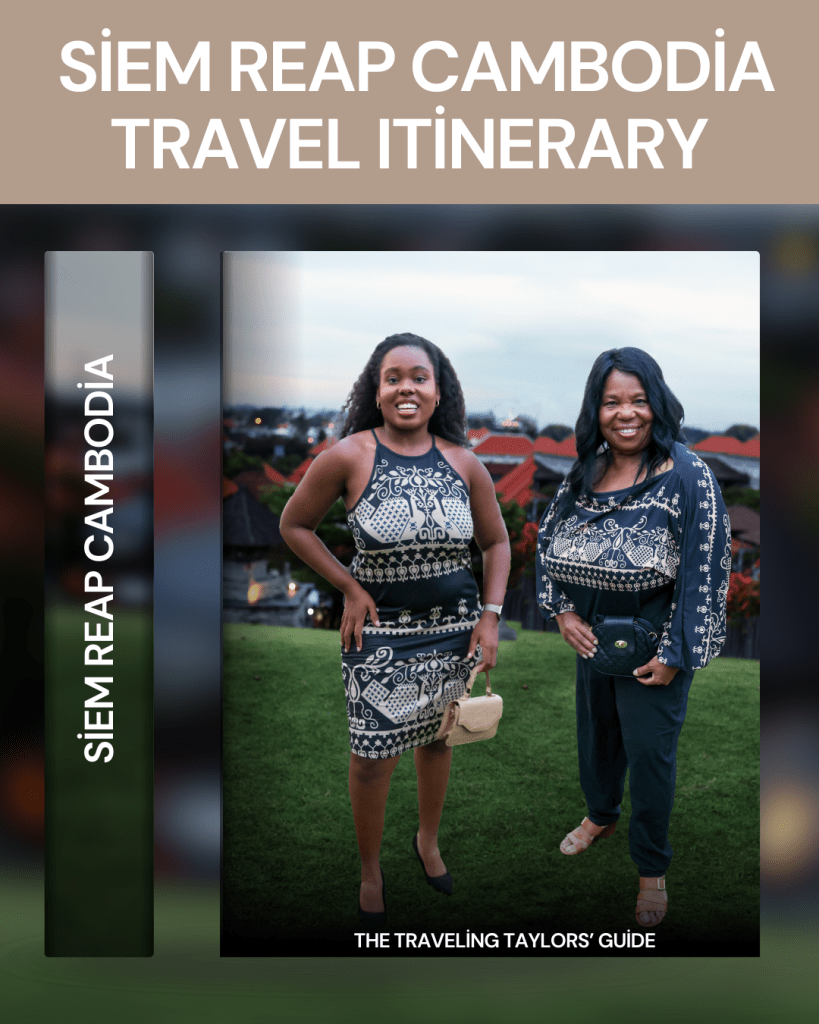
Want more cultural experiences in Cambodia? Check out our full Cambodia Itinerary!











Share your thoughts with us! Leave a Comment!