
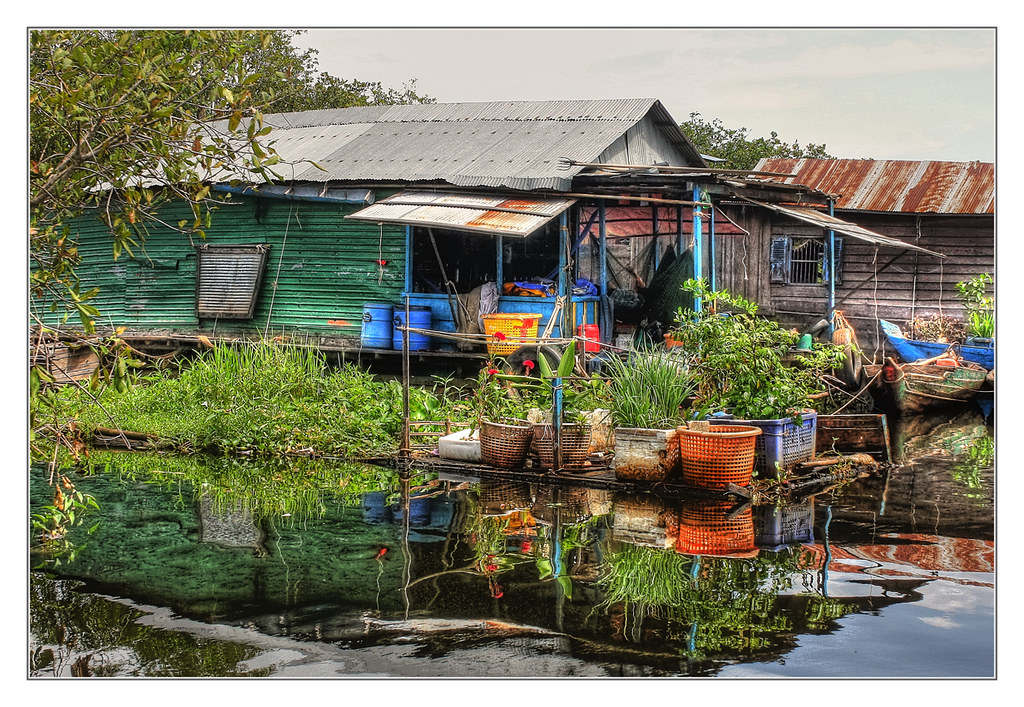
It’s easy to think of Tonle Sap Lake as just another sightseeing stop in Cambodia, but for over a million people, it’s home. When we visited Kampong Khleang, one of the lake’s many floating villages, we got a glimpse into daily life shaped entirely by water. These communities aren’t just surviving—they’re adapting and thriving in one of the most unique environments in Southeast Asia. Here’s what you’ll see, what you might not expect, and what life on Tonle Sap Lake really looks like.
Cruise Along Tonle Sap Lake With Us!
What Makes Tonle Sap So Unique
Tonle Sap isn’t a typical lake. Its size and depth fluctuate wildly throughout the year—thanks to a rare natural phenomenon where the Tonle Sap River reverses direction during the wet season. This floods the plains, expands the lake, and creates rich breeding grounds for fish.
Because of this, life here is highly seasonal. During the wet season, villagers move with the rising waters. In the dry season, they adapt to muddy landscapes and retreating shorelines. Out on the open water the glare can be intense, so many travelers pack a pair of UV-protective sunglasses like these for a full day on the lake.
A Glimpse Into Village Life
Each floating village is slightly different, but many share common features:
- Homes on stilts or floating rafts made from wood, bamboo, and metal sheets
- Schools, churches, and shops floating alongside houses
- Boats instead of motorbikes—used to commute, fish, or even transport livestock
- Fishing as a way of life, with some families casting nets before sunrise
- Limited electricity and plumbing, though some homes now use solar panels or generators
In villages like Kampong Phluk or Mechrey, the rhythm of life is dictated by the water’s rise and fall. Kids paddle canoes to school. Vendors row from house to house. It’s both practical and poetic. Since you’ll be right on the water, a waterproof phone pouch like this one is handy for snapping photos from the boat without worrying about splashes. To see it all firsthand, you can book a half-day Kampong Phluk floating village boat tour from Siem Reap.
Daily Challenges (and Resilience)
Life on the lake isn’t easy. Access to clean water, healthcare, and education is limited. Flooding can destroy homes, and in dry months, fishing becomes harder. Climate change and overfishing have also made livelihoods more precarious.
But these communities are also incredibly resilient. NGOs and local organizations work to improve infrastructure, provide floating schools and clinics, and offer eco-friendly livelihood programs. On a long day out on the water with nowhere to plug in, many travelers keep a portable power bank like this one on hand to keep their phone and camera charged.

Cultural Mix and Diversity
Many floating villages are ethnically diverse. Some are home to ethnic Khmer communities, while others—like Chong Kneas—have large populations of ethnic Vietnamese Cambodians, many of whom have lived on the lake for generations but lack citizenship rights.
This diversity creates a rich blend of languages, customs, and culinary traditions, especially in larger villages where people from different backgrounds live side by side. If you like to document journeys like this, a tiny wearable camera like this one makes it easy to capture hands-free POV footage as you glide between the floating homes.
How to Visit Respectfully
Tourism can bring income and awareness, but it can also become intrusive if not done thoughtfully. Here’s how to visit in a way that supports—not disrupts—local life:
- Choose community-based tours (like those run by Kampong Khleang locals or NGOs)
- Avoid voyeuristic “poverty tours” that treat the village like a spectacle
- Don’t give money or candy to children—support schools or shops instead
- Ask before taking photos, especially of people in private spaces
- Spend money locally—buy snacks or crafts from floating vendors
Final Thoughts On Tonle Sap Lake
Tonle Sap Lake is more than a scenic photo stop—it’s a place of deep humanity, creativity, and adaptation. Life here is full of contrast: peaceful waters and harsh challenges, floating homes and rooted traditions. Visiting one of these villages gives you more than a glimpse into daily life—it invites you to witness the strength and spirit of Cambodia’s lake communities.










Share your thoughts with us! Leave a Comment!