

We thought the Crown Jewels were just, well, shiny stuff behind glass. But once we started digging into their history, we realized these royal relics are packed with jaw-dropping stories. Here are 7 mind-blowing facts about England’s Crown Jewels that will make your next visit to the Tower of London way more exciting.
Experience the Tower of London With Us!
1. They Were Hidden in a Cookie Tin During WWII
When London faced bombing threats in WWII, the Crown Jewels were secretly stashed under Windsor Castle—inside a biscuit tin! Only a few top officials knew about the hiding spot, even within the royal family.
For travelers who want high-quality photos and videos during their trip, a lightweight mirrorless camera like this one is a popular choice among content creators and travel photographers.
2. The Crown Jewels You See Today Aren’t the Originals
Oliver Cromwell ordered the destruction of the original Crown Jewels in 1649. Everything was melted, sold, or destroyed after the execution of Charles I. What you see today was recreated for Charles II’s coronation in 1661.
3. The Cullinan Diamond Is the Largest Clear-Cut Diamond on Earth
The Sovereign’s Sceptre holds the 530-carat Cullinan I diamond, also called the Great Star of Africa. It was gifted to Edward VII in 1907 and originally weighed over 3,100 carats before being cut.
Many travelers love bringing an instant camera like this one to capture fun memories at famous landmarks and print photos on the spot.
4. The Coronation Spoon Is Over 900 Years Old
It’s the oldest object in the collection, dating back to the 1100s. The spoon is used during coronation ceremonies to anoint the monarch with holy oil—a sacred and symbolic act.
5. Not All the Jewels Are on Display
Some pieces, like the Queen Consort’s crowns and other regalia, are rotated or kept in storage depending on royal events. The full collection contains over 100 items and 23,000 gemstones.
6. The Jewels Have Their Own Guards (and Alarms)
The Tower of London Jewel House has top-level security, including 24/7 armed guards and pressure-sensitive floors. Some of the jewels even rest on rotating display platforms to prevent damage. To see it for yourself, you can book a Tower of London ticket that includes the Crown Jewels and a Beefeater tour.
7. They’re Technically Owned by the Nation
Although used by the monarch, the Crown Jewels aren’t personal property. They belong to the Crown as an institution and are held in trust for the nation—meaning they can’t be sold or inherited.
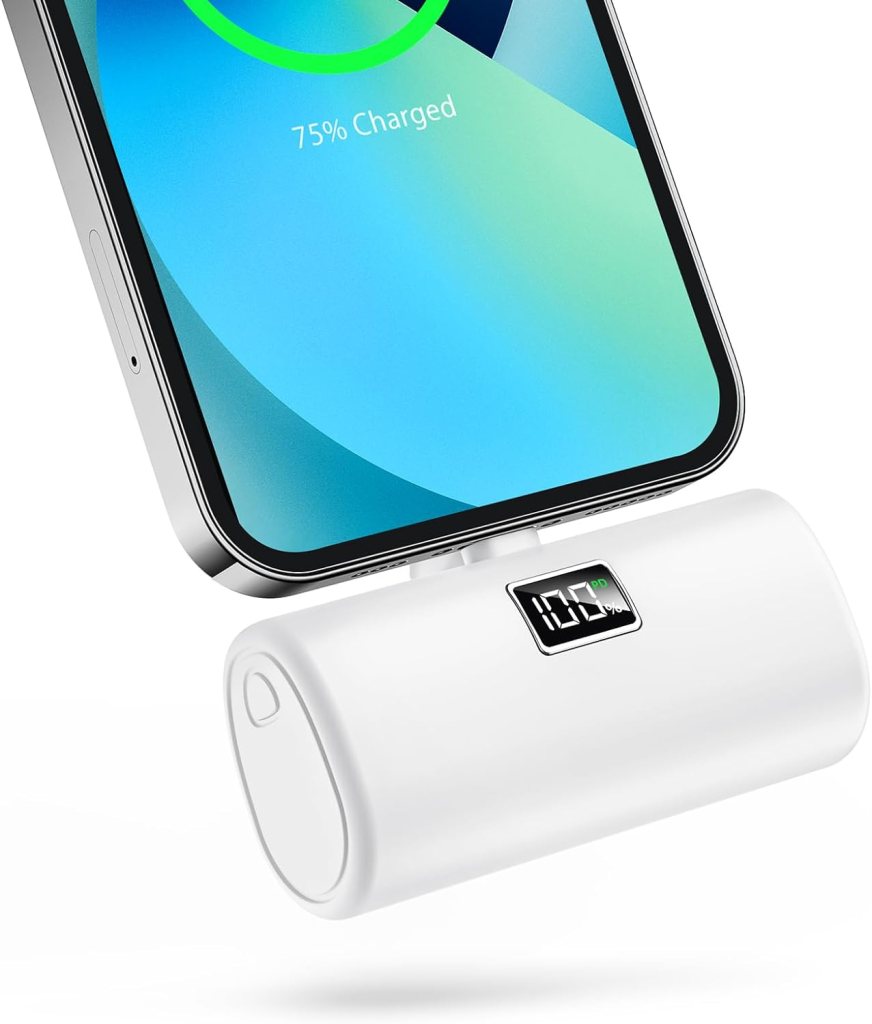
Some travelers also carry a mini portable charger like this one in their pocket or bag so they always have backup battery power for maps, photos, and ride apps.
See the Crown Jewels With New Eyes
Next time you walk through the Jewel House at the Tower of London, remember you’re not just looking at treasure—you’re witnessing centuries of power, survival, and symbolism. These Crown Jewels facts turn a quick visit into a deep dive into royal history.















Share your thoughts with us! Leave a Comment!