

When we first planned our trip to England, we quickly realized… we didn’t exactly know what “Britain” meant. Were they the same thing? Was “the UK” just a fancy abbreviation? If you’ve ever wondered about the difference between England and Britain, you’re definitely not alone—and this blog breaks it all down simply, so you can travel smarter (and sound smarter, too).
Get To Know The Traveling Taylors!
What Is England?
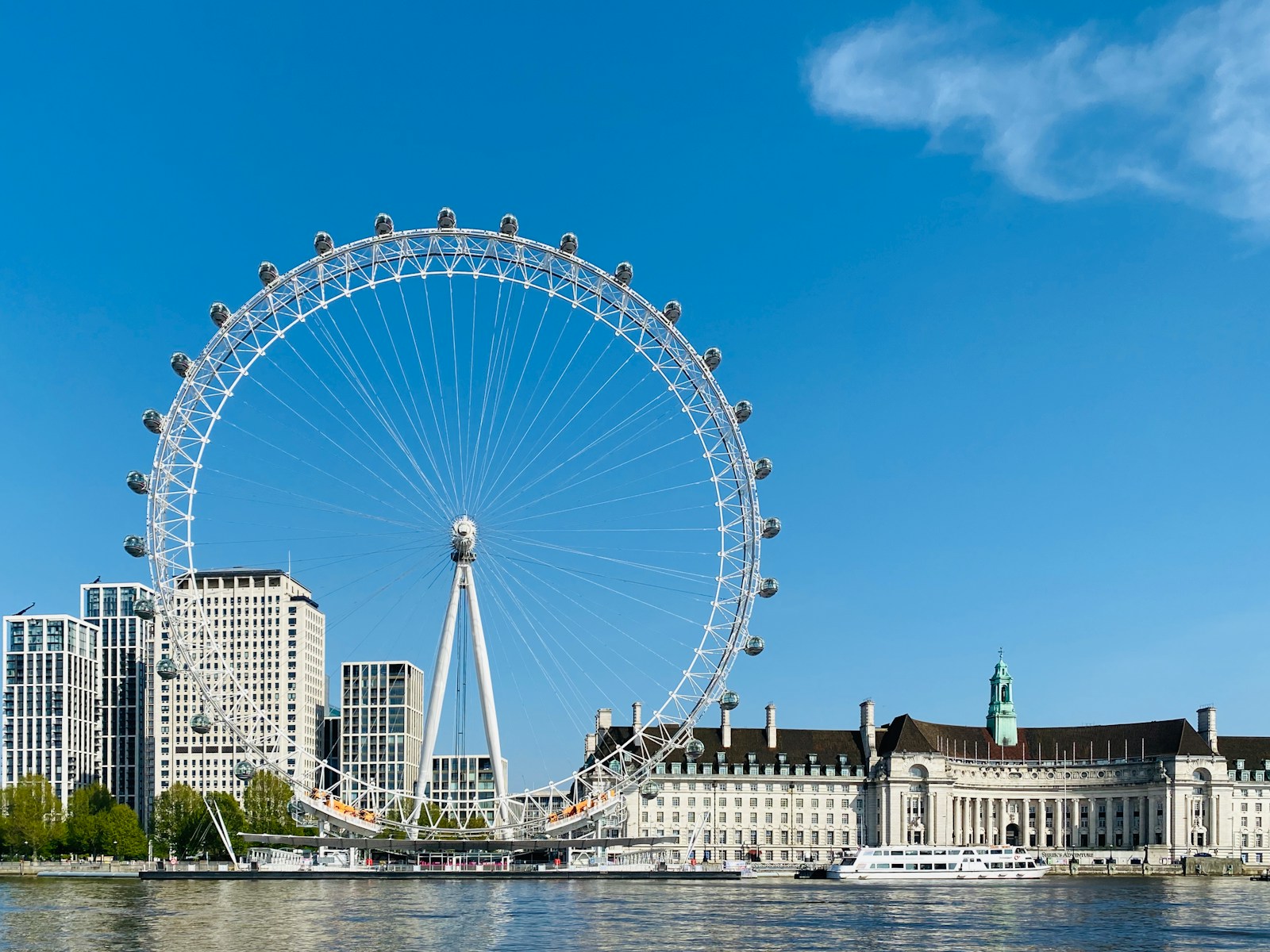
England is one of four countries that make up the United Kingdom. It’s located on the southern part of the island of Great Britain and is home to cities like London, Manchester, Bath, and Oxford.
Key Facts About England:
- Capital: London
- Language: English
- Currency: British Pound (£)
- Population: ~56 million
Fun Tip: When most travelers say they’re going to “Britain,” they often mean England—but that’s not always accurate. If you’re planning to walk through parks, viewpoints, and outdoor attractions, a packable waterproof bucket hat like this one can help protect you from both sun and light rain.
What Is Britain?
“Britain” is actually shorthand for Great Britain, which refers to the island that contains three countries:
- England
- Scotland
- Wales
So, Britain ≠ the entire UK. It’s just the island portion (excluding Northern Ireland).
Think of it like this:
- If you’re visiting Edinburgh (Scotland) or Cardiff (Wales), you’re in Britain.
- If you’re visiting Belfast (Northern Ireland), you’re not in Britain—but you are in the UK.
- If you’re exploring crowded attractions or markets, some travelers like carrying a hidden money belt like this one to keep their passport and cash secure.
What About the United Kingdom (UK)?
Now here’s where it gets political and geographical: The United Kingdom (UK) includes:
- England
- Scotland
- Wales
- Northern Ireland
So, the UK is the country, and England is one of its four nations.
Helpful Analogy: The UK is like the United States. England is like one individual state—just with a lot more castles and cups of tea.
Common Travel Confusions Between England and Britain
1. Flag Confusion
- The Union Jack is the flag of the UK, not just England.
- England has its own flag: a red cross on a white background (St. George’s Cross).
2. Calling the Whole UK “England”
- Many travelers say “I’m going to England” when visiting Scotland or Wales. Locals will gently correct you—or not so gently!
3. Travel Planning Errors
- Booking “domestic” flights or trains within Britain? Remember that Northern Ireland is separated by sea and may require different travel logistics.
Why Understanding England and Britain Matters When Traveling
Knowing the difference helps you:
- Plan routes and transport correctly
- Avoid awkward cultural missteps
- Better understand local pride and identity
For example, calling someone from Scotland “English” is a quick way to get side-eyed in a pub.
Still Confused? Here’s a Simple Breakdown
| Term | Includes | Is it a Country? |
|---|---|---|
| England | Just England | Yes |
| Britain | England, Scotland, Wales | No |
| Great Britain | Same as Britain | No |
| United Kingdom | England, Scotland, Wales, N. Ireland | Yes |
Why This Made Our Trip to England and Britain Better
Once we understood the difference, planning became easier—and we gained a deeper appreciation for the history, culture, and pride each nation holds. Whether you’re exploring Welsh castles or sipping Scotch in the Highlands, knowing where you are (and what it’s called!) matters. For travelers spending long days outdoors, a lightweight baseball cap like this one can help protect your face from the sun.













Share your thoughts with us! Leave a Comment!