
Whether you’re royal-obsessed or just mildly curious, the England monarchy is full of surprising twists, odd traditions, and history that’s far stranger than fiction. These lesser-known facts will give you a deeper (and way more entertaining) look at one of the world’s oldest monarchies—perfect for spicing up your next UK trip or trivia night.
Get To Know The Traveling Taylors!
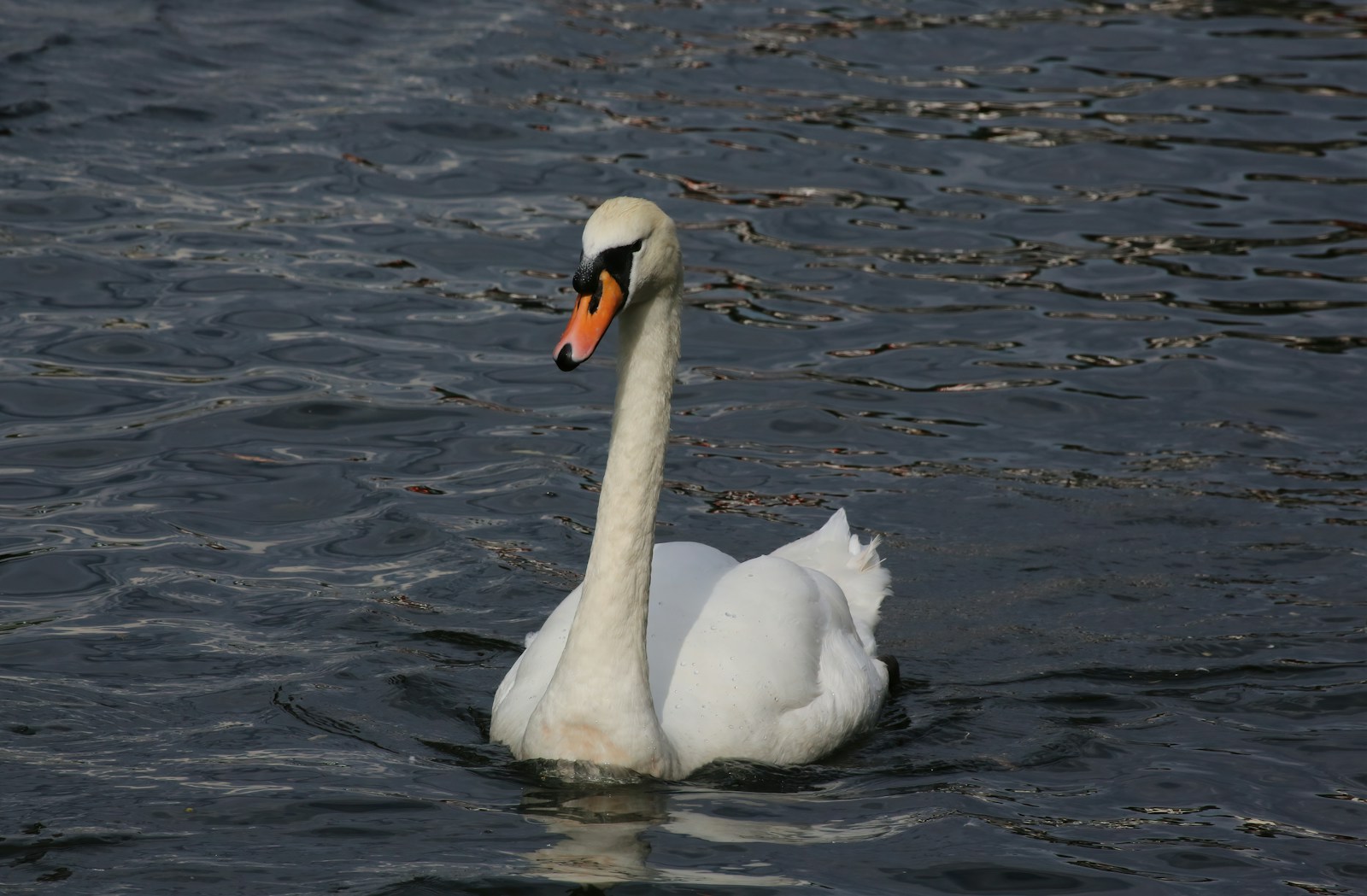
1. The Monarch Legally Owns All the Swans
Yep, all unmarked mute swans in open water belong to the King. It’s an ancient law dating back to the 12th century when swans were considered a royal delicacy.
Still Happens Today: Each July, officials conduct “Swan Upping” on the Thames to count and mark them. When visiting famous landmarks and scenic viewpoints, many travelers like bringing a compact selfie stick tripod like this one so they can easily capture photos without asking strangers.
2. The Monarch Doesn’t Need a Passport
King Charles III—and Queen Elizabeth II before him—doesn’t hold a passport. Why? Because UK passports are issued in the monarch’s name, so they don’t need one to travel.
Fun Twist: Other royal family members do need passports to travel abroad.
3. The Crown Jewels Are Worth Billions… and Guarded by Ravens
Housed in the Tower of London, the Crown Jewels are some of the most priceless symbols of monarchy power. But here’s the quirk: legend says if the Tower’s resident ravens ever leave, the kingdom will fall.
Don’t worry: They keep a few extra ravens on hand just in case.
4. The Monarch Can Declare War (But Won’t)
Technically, the King still holds the power to declare war or dissolve Parliament—but in practice, these decisions are made by elected officials. The monarchy today is entirely symbolic when it comes to government power.
5. The Royal Family Has a Strict Dress Code
There’s a whole set of unwritten rules:
- Women must wear hats to formal daytime events
- Tiaras are reserved for married royal women
- Black outfits are always packed “just in case” someone dies while abroad
Traveler Tip: If you’re attending a royal-related event or watching Trooping the Colour, expect next-level fashion etiquette.
6. Queen Elizabeth II Was the Longest-Reigning Monarch
She reigned for over 70 years (1952–2022)—longer than any other British monarch. Her passing marked the start of King Charles III’s reign, making history in its own right.
7. Royal Residences Aren’t All Private Castles
Some palaces, like Buckingham Palace and Windsor Castle, are working royal homes but also open to the public for tours. If you enjoy filming your travel experiences, a tiny wearable camera like this one is a great way to capture hands-free POV footage while walking through iconic locations.
Yes, you can:
- Walk through royal gardens
- See the Changing of the Guard
- Visit State Rooms during summer openings
8. The England Monarchy Helped Shape Global Tourism
Royal landmarks like Buckingham Palace, Kensington Palace, and the Tower of London attract millions of visitors a year. The monarchy isn’t just tradition—it’s one of England’s biggest tourism draws.
Bonus Fact: Royal weddings spike tourism numbers and souvenir sales nationwide.
9. The Monarch Sends 100th Birthday Cards
Each year, the reigning monarch sends a personal letter of congratulations to citizens turning 100 years old (and again at 105+). It’s a real tradition—and a real card!
10. They Don’t Sign Autographs
To avoid signature fraud, royals don’t sign autographs or take selfies during walkabouts. You might get a handshake or a polite nod—but don’t expect a TikTok collab.
Why These England Monarchy Facts Matter to Travelers
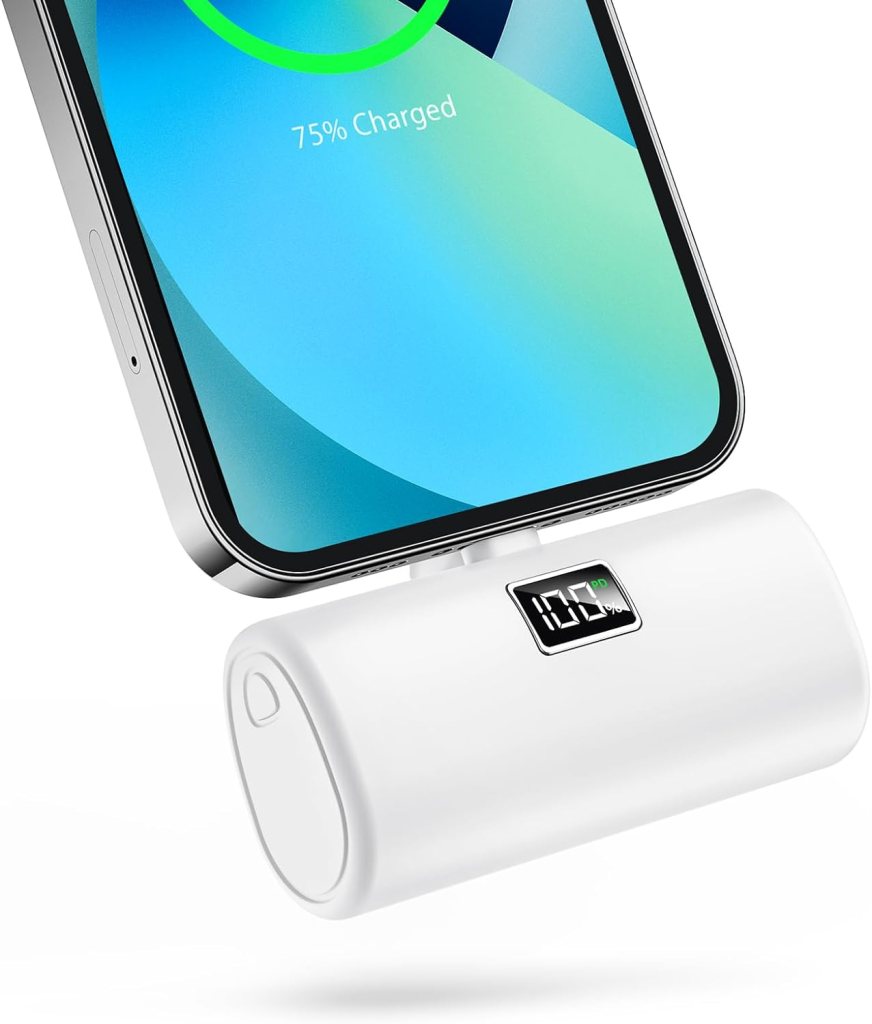
Knowing these quirky and surprising facts makes visiting England’s royal landmarks so much more fun. Whether you’re touring Windsor Castle or spotting the Changing of the Guard, it’s the behind-the-scenes stories that bring it all to life. Because long sightseeing days can drain your phone battery quickly, many travelers bring a slim portable power bank like this one to keep their devices charged while exploring.








Share your thoughts with us! Leave a Comment!