

The England population may not be the first thing you think about when planning your trip—but it’s more important than you’d expect. From how crowded certain cities are to how diverse the culture feels, understanding where people live (and in what numbers) can help shape your travel experience in a smart, meaningful way.
Get To Know The Traveling Taylors!
How Big Is the England Population?
As of 2025, England’s estimated population is around 57 million, making it the most populous country in the United Kingdom. If you enjoy filming your travel experiences, a tiny wearable camera like this one is a great way to capture hands-free POV footage while walking through iconic locations.
Fast Facts:
- England accounts for 84% of the UK’s total population
- It’s the densest country in the UK, with over 430 people per square kilometer
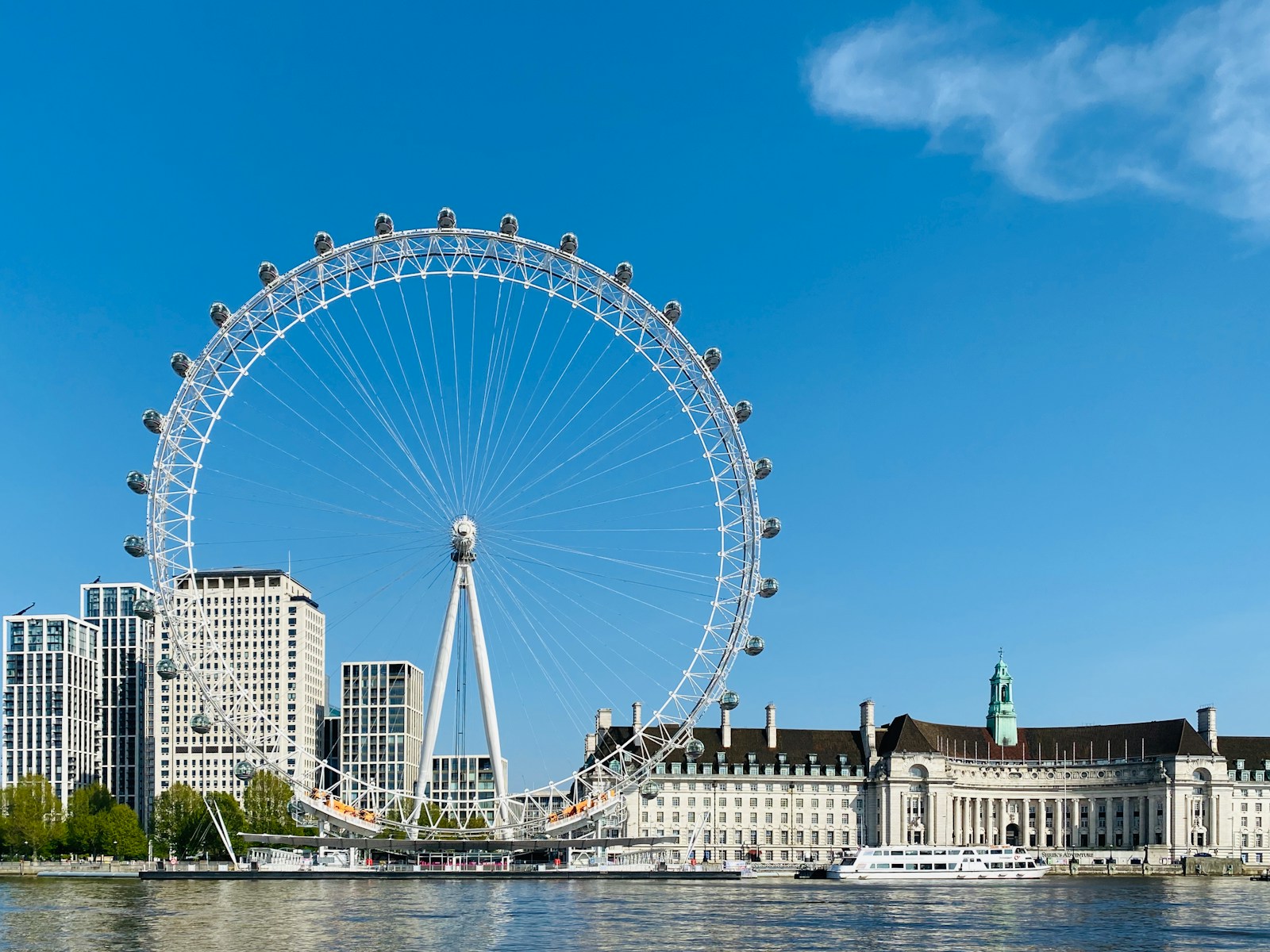
- London alone is home to nearly 9 million people
Top Cities by Population (and Why It Matters for Travelers)
1. London
- Population: ~9 million
- What to Expect: Fast-paced, crowded, multicultural, and full of attractions
- Travel Tip: Book trains, restaurants, and accommodations early—this city’s always busy
2. Birmingham
- Population: ~1.1 million
- England’s “second city” with strong South Asian and Afro-Caribbean influences
- Great for: Festivals, food, and music
3. Manchester
- Population: ~600,000 (but over 2.8 million in Greater Manchester)
- A youthful, creative city with rich football and industrial history
4. Leeds
- Population: ~800,000
- Often overlooked but packed with university culture, shopping, and northern pride
5. Liverpool
- Population: ~500,000
- Known for The Beatles, football, and a lively waterfront
Where the England Population Is Most Concentrated
Most people in England live in or near major urban hubs like London, Manchester, and Birmingham. But don’t let that fool you—rural England still thrives with charming villages and quieter spaces.
High Population Density Areas:
- Greater London
- West Midlands (Birmingham area)
- North West (Manchester and Liverpool)
- South East (Reading, Brighton, Oxford corridor)
Lower Density Regions Worth Visiting:
- Cornwall and Devon (South West)
- Northumberland and Cumbria (North East and Lake District)
- Yorkshire Dales and Peak District (scenic but sparsely populated)
How the England Population Shapes Travel Experience
1. Crowds in Major Cities Expect long queues at top attractions, especially during summer and holidays. London’s population density means rush hour is no joke—plan around it. If you’re visiting crowded attractions or busy city centers, a waterproof belt bag like this one is a convenient way to keep your phone, wallet, and passport close.
2. Rich Cultural Mix England’s cities are incredibly diverse, with over 14% of the population from ethnic minority backgrounds and more than 300 languages spoken in London alone. This makes the food, music, and neighborhoods far more globally rich than many expect.
3. Big Events = Big Crowds From Wimbledon to music festivals, large cities fill up fast. Always check what’s happening locally when planning your travel dates.
Where to Go for a Quieter Population Experience
Prefer space to breathe? Here are some less-crowded but culturally rich alternatives:
- York: Historic walled city with medieval streets and fewer crowds
- Bath: Roman baths, Georgian architecture, and small-city charm
- Norfolk & Suffolk: Coastal escapes and sleepy countryside
- Lake District: Breathtaking nature and quiet towns—even in high season
Understanding the England Population = Smarter Travel
Knowing where people live—and how they move—helps you plan better routes, avoid peak congestion, and discover more authentic moments. Whether you love buzzing cities or quiet corners, the England population map helps guide your journey with purpose. Because sightseeing often means lots of photos and videos, having a reliable travel backpack like this one makes it easy to carry your camera gear and accessories.















Share your thoughts with us! Leave a Comment!