
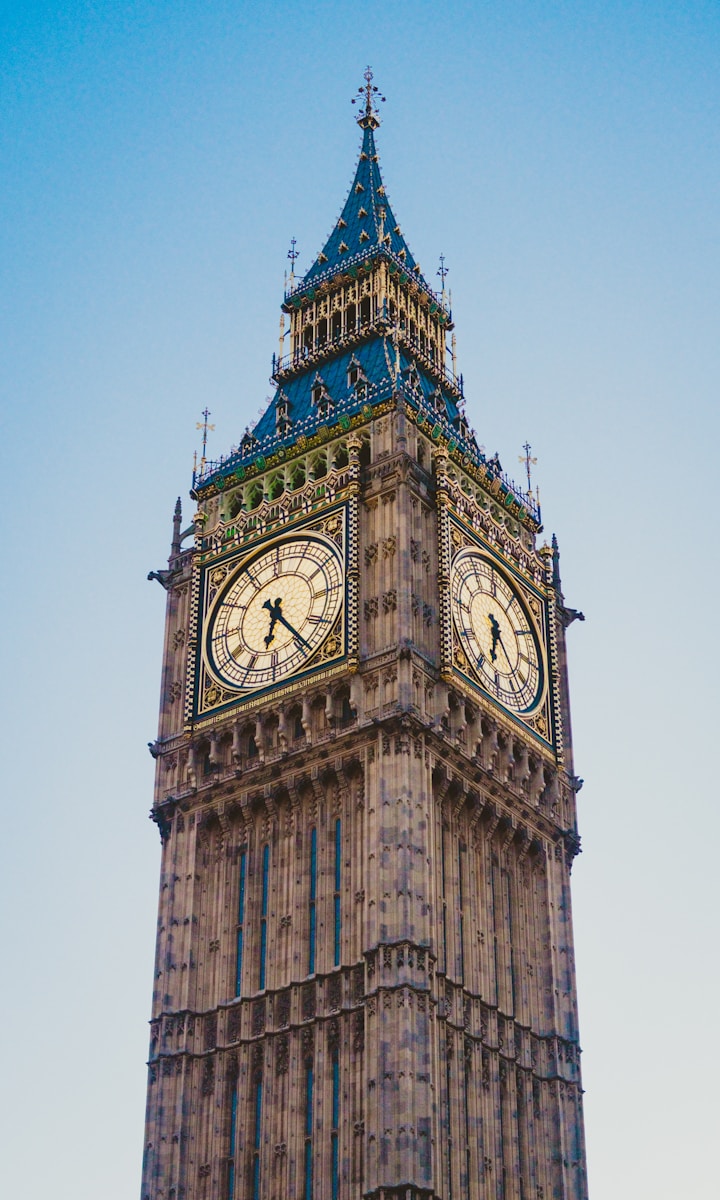
London’s clock tower is one of the most photographed structures in the world, but few people know its real story. Often misnamed Big Ben, this iconic landmark—officially called the Elizabeth Tower—has a rich history full of engineering feats, political drama, and even a prison room. We dug into the past and found some fascinating truths about how this clock tower became a symbol of London itself.
Experience Big Ben With Us!
London’s Clock Tower History: From Prison Room to Icon
1. The Tower Was Built to Rebuild Trust in Government
The Elizabeth Tower was completed in 1859 following a devastating fire at the Palace of Westminster. It was part of a grand rebuild designed to symbolize a new era of British stability and order.
For solo travelers or couples exploring busy attractions, a smart face-tracking phone tripod like this one can automatically follow your movement and help capture great videos hands-free.
2. It Was an Engineering Marvel of Its Time
When first constructed, the tower housed the largest and most accurate four-faced striking clock in the world. Clockmaker Edward John Dent and his stepson Frederick helped pioneer the mechanics that still keep time ticking accurately over 160 years later.
3. Big Ben Is Actually the Bell
Most people call the whole structure “Big Ben,” but that’s just the nickname for the Great Bell inside the tower. The tower was renamed Elizabeth Tower in 2012 to honor Queen Elizabeth II’s Diamond Jubilee.
4. Yes, It Has a Hidden Prison Cell
A little-known fact: inside the tower is a small holding cell used in the past to detain Members of Parliament who violated parliamentary rules. The last person to be held there was in 1880.
If you enjoy filming your travel experiences, a tiny wearable camera like this one is a great way to capture hands-free POV footage while walking through iconic locations.
5. It Survived Bombs in WWII
During the Blitz, a bomb destroyed parts of the nearby House of Commons chamber. Though the clock tower was damaged, the clock continued to run—a powerful symbol of resilience for Londoners during wartime.
6. Time Is Kept With Pennies
The clock’s accuracy is still maintained using a stack of old pennies placed on the pendulum. Adding or removing coins can speed up or slow down the time slightly—a charmingly low-tech trick for such a high-profile landmark.
7. It Just Got a Major Makeover
From 2017 to 2022, the tower underwent its largest restoration in history, costing over £80 million. The project included structural repairs, a fresh coat of paint, and the revelation that its hands and details were originally blue, not black.
Because long sightseeing days can drain your phone battery quickly, many travelers bring a slim portable power bank like this one to keep their devices charged while exploring.
Final Chime: Why This Clock Tower Still Matters
London’s clock tower is more than a photo backdrop—it’s a living piece of history. From its quiet prison cell to its wartime resilience and penny-powered precision, this Gothic masterpiece continues to tick on as a symbol of British identity and endurance. To see it in person, you can join a guided Westminster walking tour that takes in Big Ben, Westminster Abbey, and the Houses of Parliament.















Share your thoughts with us! Leave a Comment!