
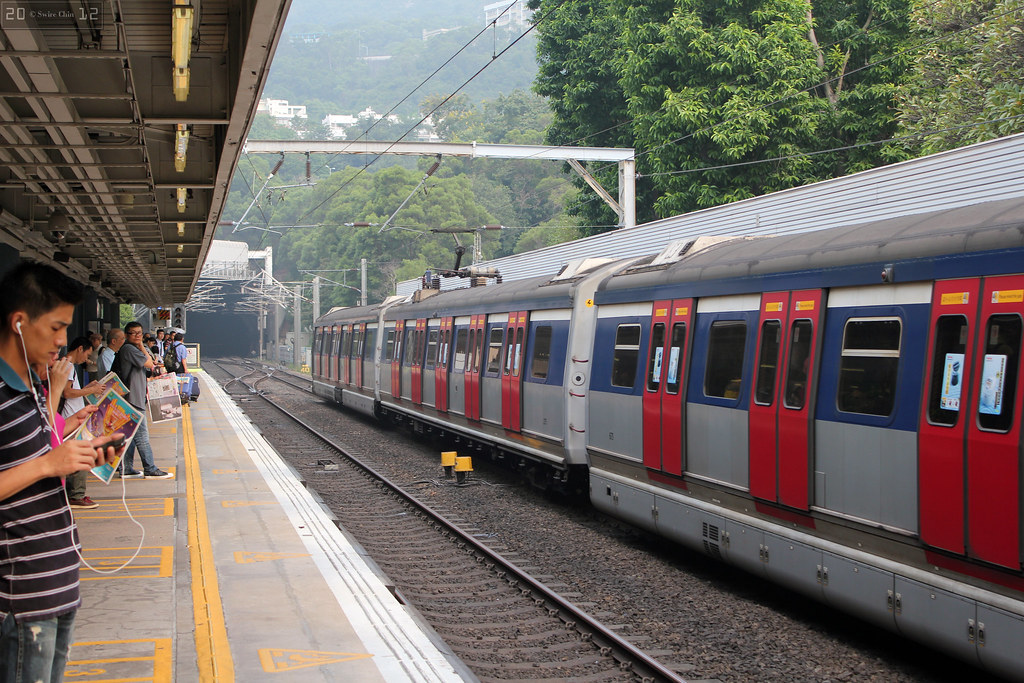
We passed through several London railway stations on our journey into the city—and quickly learned that not all stations are created equal. With over a dozen major terminals, each serving different parts of the UK, navigating London’s rail system can feel overwhelming at first. Whether you’re heading to Oxford, Edinburgh, or just catching a local commuter train, this ultimate guide to London railway stations will help you choose the right one and move through it like a pro.
Get To Know The Traveling Taylors!
🗺️ Why London Has So Many Railway Stations
Unlike cities with one central terminal, London’s rail network radiates outward from multiple mainline stations, each serving different regions of the UK.
Good to Know:
- All major railway stations are in Zone 1, near or connected to Tube lines.
- You cannot catch all trains from any station—each has set destinations.
- Many have historical architecture and unique vibes—worth exploring, even if you’re not traveling far.
When moving between busy transportation hubs, many travelers prefer keeping important items in a slim running belt like this one so their phone, cards, and passport stay secure while navigating crowds.
🚉 The Big 9: London’s Major Railway Terminals
Here’s a quick overview of the most important London railway stations and where they’ll take you:
1. Paddington Station
- Best for: Oxford, Bath, Bristol, Cardiff, Heathrow
- Connected Lines: Elizabeth line, Heathrow Express, GWR
- Tube: Bakerloo, Circle, District, Hammersmith & City
- Fun Fact: Home of Paddington Bear!
2. King’s Cross
- Best for: Cambridge, York, Edinburgh (East Coast)
- Connected Lines: LNER, Thameslink
- Tube: Northern, Victoria, Piccadilly, Circle, Hammersmith & City
- Bonus: Platform 9¾ photo op for Harry Potter fans!
3. St. Pancras International
- Best for: Paris, Brussels, Lille (Eurostar), Midlands
- Connected Lines: Eurostar, EMR, Thameslink
- Tube: Same as King’s Cross (they’re next door)
Getting around the city is fairly straightforward thanks to its extensive public transportation system, and many travelers like using a secure phone holder like this one so they can easily follow navigation directions while walking or riding around.
4. Victoria Station
- Best for: Brighton, Gatwick Airport
- Connected Lines: Southern, Gatwick Express
- Tube: Victoria, District, Circle
- Tip: Gets very busy during commuter hours.
5. Waterloo Station
- Best for: South Coast (Winchester, Bournemouth)
- Connected Lines: South Western Railway
- Tube: Jubilee, Bakerloo, Northern, Waterloo & City
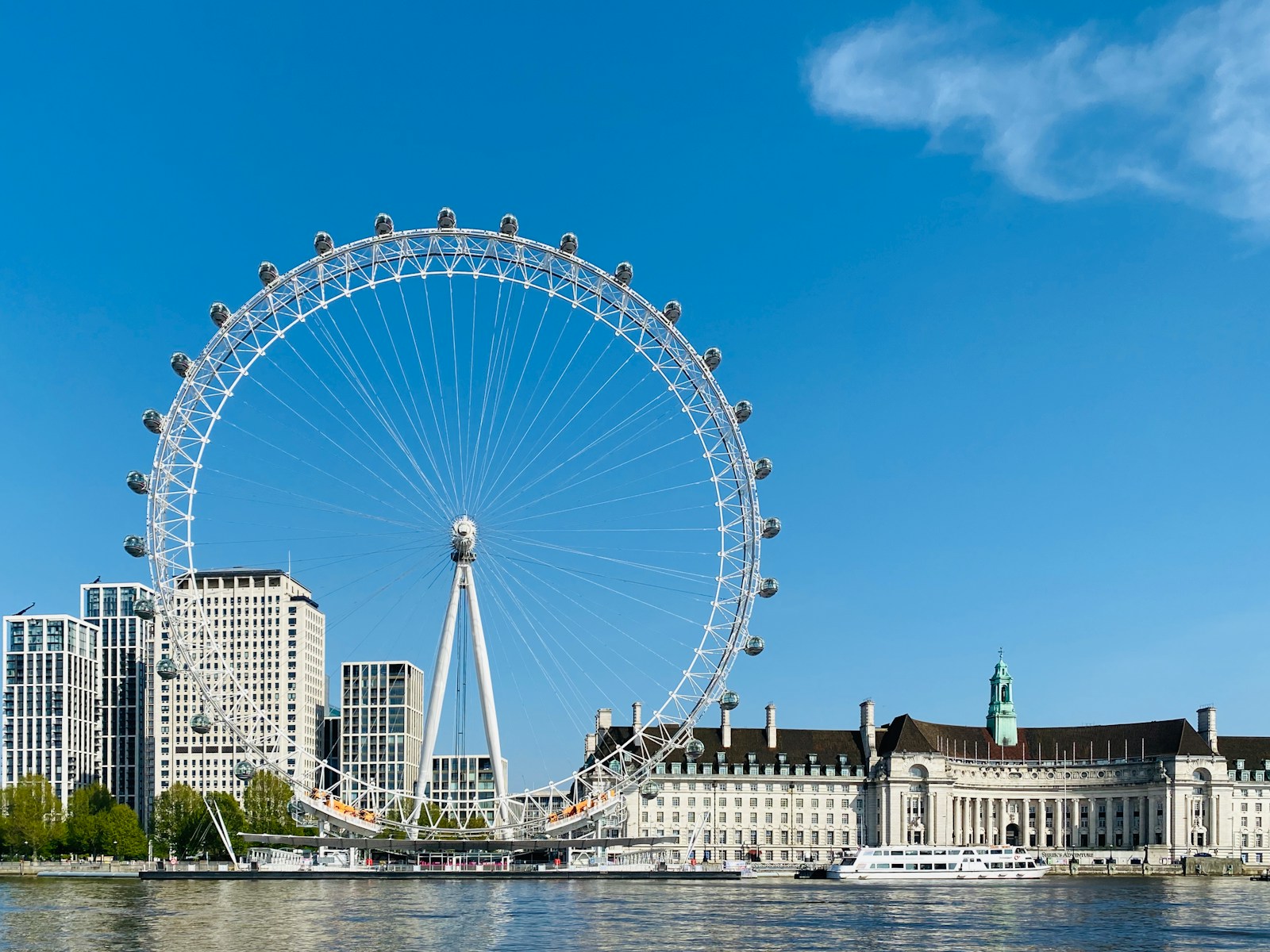
- Insider Tip: Great skyline views from the nearby London Eye.
6. Liverpool Street Station
- Best for: Cambridge, Norwich, Stansted Airport
- Connected Lines: Greater Anglia, Stansted Express
- Tube: Central, Circle, Hammersmith & City, Metropolitan
7. Euston Station
- Best for: Birmingham, Manchester, Glasgow
- Connected Lines: Avanti West Coast, West Midlands Trains
- Tube: Northern, Victoria
- Bonus: Right next to King’s Cross and St. Pancras.
8. Charing Cross
- Best for: Southeast London and Kent
- Connected Lines: Southeastern
- Tube: Bakerloo, Northern
- Located at the edge of Trafalgar Square—super central!
9. London Bridge
- Best for: Brighton, South London, Gatwick (via Southern)
- Connected Lines: Southern, Southeastern, Thameslink
- Tube: Jubilee, Northern
- Surprise: Great food court and skyline views from nearby The Shard.
🔄 Tips for Navigating London’s Train Stations
- Use the Tube to Transfer: Most stations are Tube-accessible and connected via the London Underground.
- Watch for Station Confusion: St. Pancras and King’s Cross are neighbors—but serve different lines. Same with Victoria vs. Waterloo.
- Arrive Early: For long-distance trains, arrive 20–30 minutes early to find your platform and get settled.
- Use National Rail or Trainline Apps: Great for real-time platform updates and mobile tickets.
- Snacks & Toilets: All major stations have shops, cafés, and public toilets (sometimes with a small fee).
Because the weather can change quickly while navigating the city on foot, some travelers keep their phone protected in a waterproof pouch like this one so they can still check maps even during rainy walks.
🧠Mastering London Railway Stations
With a little prep, navigating London’s railway stations becomes second nature. Each one serves a unique corner of the UK, and many are attractions in their own right. Use this guide to match your destination with the right station, arrive early, and enjoy the journey—whether you’re heading across town or all the way to Scotland.













Share your thoughts with us! Leave a Comment!