
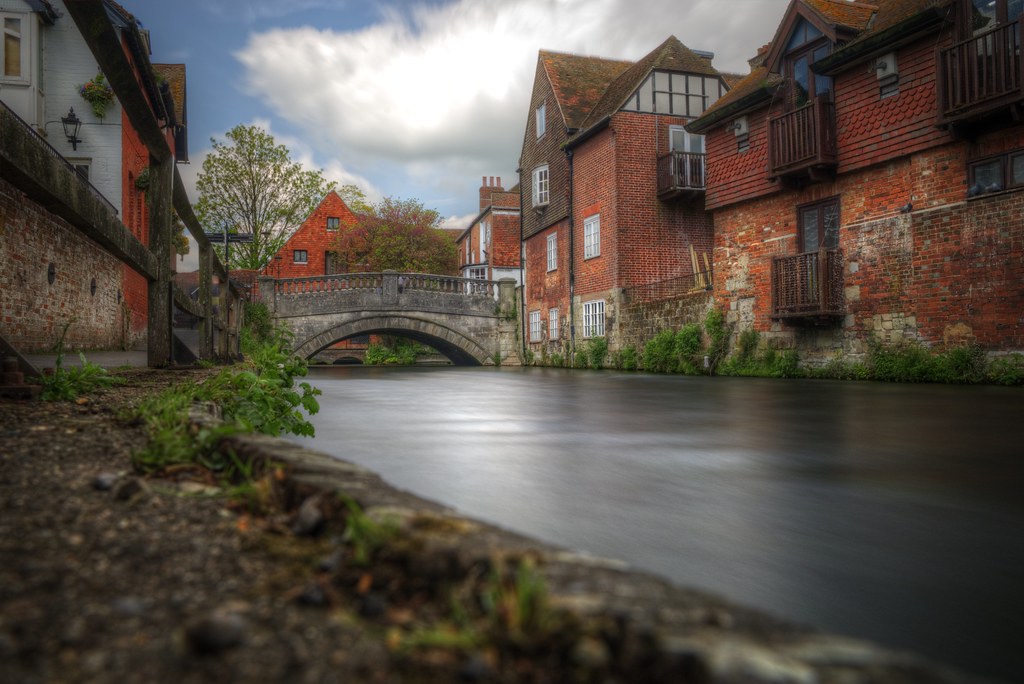
If you know Jane Austen’s novels, you know they end with love and resolution. But her real-life story? It took a quiet, heartbreaking turn in Winchester, where she spent the last few weeks of her life. While most Austen fans know about her birth in Steventon and her writing in Chawton, fewer know why she moved to Winchester—and exactly where she lived before she died. Here’s how to find Jane Austen’s final home in Winchester, and what you should know before visiting.
Get To Know The Traveling Taylors!
📍 Why Did Jane Austen Move to Winchester?
In early 1817, Jane Austen’s health was rapidly declining. Though the exact cause is still debated—possibly Addison’s disease or lymphoma—she knew she needed medical help.
- Winchester was home to one of the best hospitals in southern England at the time.
- She moved here in May 1817 to be closer to her physician, Mr. Lyford, at the local infirmary.
🏥 It was a last effort to treat her illness—but sadly, she passed away just two months later, on July 18, 1817.
🏠 Where She Lived: 8 College Street, Winchester
Jane and her sister Cassandra rented a modest red-brick house at 8 College Street, just a short walk from Winchester Cathedral.
- The home belonged to friends of the family, the Baigent family.
- It’s tucked down a quiet, picturesque lane behind the cathedral.
Today, it’s a private residence, but you can still see the blue plaque on the wall marking it as “Jane Austen’s Last Home.”
📸 Photo Tip: The lane is narrow and quiet—perfect for respectful reflection and a quick photo from the street. When visiting famous landmarks and scenic viewpoints, many travelers like bringing a compact selfie stick tripod like this one so they can easily capture photos without asking strangers.
💐 What to Expect When You Visit
Though you can’t go inside, the outside of 8 College Street still tells a story.
- The blue heritage plaque is simple but poignant: “Jane Austen lived here for the last few weeks of her life and died here 18 July 1817.”
- The street retains its historic charm, with ivy-covered walls and cobbled paths.
- It’s just steps from Winchester Cathedral, where she’s buried.
🧭 Getting there: From the cathedral’s main entrance, walk through The Close and past the cathedral green—it’s about a 3-minute walk. Comfortable shoes are essential when exploring cities on foot, and many travelers recommend supportive walking sneakers like these for sightseeing in cities.
🕊️ Pair It with a Visit to Her Grave
Once you’ve seen her final home, continue the story by walking to Jane Austen’s grave inside Winchester Cathedral.
- Her grave is in the north aisle.
- A nearby brass plaque and stained glass window honor her literary legacy.
📚 Seeing where she died—and where she’s buried—offers a full-circle experience that’s both moving and memorable.
📖 Why Her Winchester Story Matters
Jane Austen wasn’t born here, and she didn’t write most of her novels here—but Winchester is where her story ended.
- She chose to face her final days with dignity and quiet faith.
- Her sister Cassandra stayed by her side throughout her illness.
- The city, and especially 8 College Street, still holds the aura of her last chapter—private, peaceful, and profoundly human.
🏡 Standing outside that modest house, it’s hard not to feel the weight of a life cut short—but also the timeless power of her words, which live on. For travelers who want high-quality photos and videos during their trip to memorialize Jane Austen’s story, a lightweight mirrorless camera like this one is a popular choice among content creators and travel photographers.
👣 Walking in Jane Austen’s Final Footsteps
A visit to Jane Austen’s Winchester home is a quiet, reflective experience—no museum signs, no gift shops, just the gentle hum of a city that remembers her. If you’re following her legacy through Hampshire, don’t skip this spot. It may be her least celebrated location, but it’s one of the most emotionally powerful.














Share your thoughts with us! Leave a Comment!