
During our recent island-hopping adventure through Greece, we quickly realized that understanding the local currency could make or break your budget. Whether you’re heading to Santorini, Athens, or a quiet coastal village, knowing how Greece currency works is key to a stress-free trip. Here’s everything you need to know before you go!
Get To Know The Traveling Taylors!
What Currency Does Greece Use?
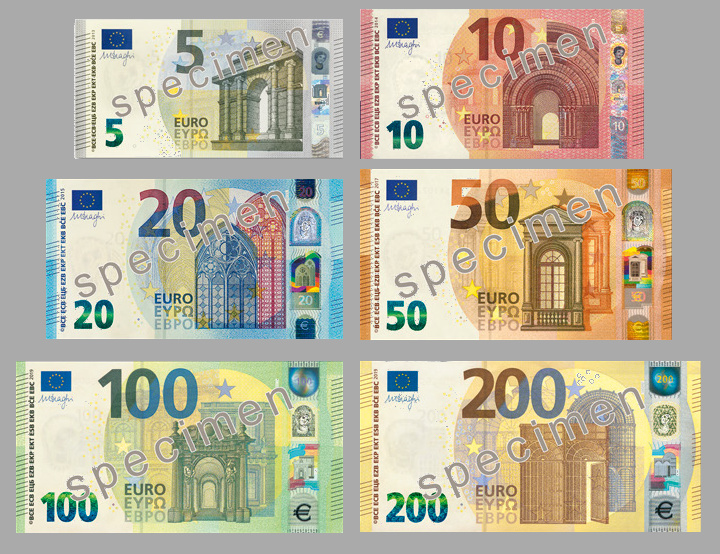
Greece uses the euro (EUR €) as its official currency. As a member of the European Union and the Eurozone, Greece adopted the euro in 2001, and it remains the standard in 2025. The euro comes in both coins (€2, €1, 50c, 20c, 10c, 5c, 2c, 1c) and notes (€5, €10, €20, €50, €100, €200, €500).
Thinking about visiting this place soon? Keeping important items secure while traveling is easier with a hidden money belt like this one designed to store passports, credit cards, and cash.
Cash or Card? Here’s What You Actually Need
- Cash is king in many parts of Greece, especially in smaller towns, markets, and family-run tavernas.
- Card payments are widely accepted in cities like Athens and Thessaloniki, as well as tourist hotspots like Mykonos and Santorini.
- Always carry some small change for restrooms, buses, and local bakeries.
Where to Exchange Money in Greece
- ATMs are the best way to get euros. They offer competitive exchange rates and are available throughout the country.
- Avoid airport exchange booths—they tend to offer poor rates.
- Use bank-affiliated ATMs for lower fees. Machines at convenience stores or souvenir shops may charge high service fees.
Some travelers like a compact crossbody-style fanny pack like this one because it keeps valuables secure while walking through busy areas.
Avoid These Common Greece Currency Mistakes
- Don’t rely solely on cards. Some places still operate cash-only.
- Skip dynamic currency conversion. Always choose to be charged in euros instead of your home currency to avoid hidden fees.
- Watch ATM fees. Your bank may charge international withdrawal fees, so consider a travel-friendly bank card.
How Much Cash Should You Bring?
- Budget €30-50 per day in cash for food, transport, and tips.
- Keep your money in multiple spots (hotel safe, day bag, money belt) for safety.
- Don’t carry all your cash at once—ATMs are easy to find.
Like most popular travel destinations, pickpocketing can occasionally happen in crowded tourist areas, so many travelers wear a hidden RFID-blocking money belt like this one to keep their passport, credit cards, and cash secure while sightseeing.
Tipping in Greece: What’s Customary?
- Tipping isn’t mandatory, but it’s appreciated.
- Leave 5-10% at restaurants or round up your bill.
- For taxis, rounding up to the nearest euro is typical.
- Hotel staff and tour guides also appreciate small tips for good service.
Reading about a place is one thing, but experiencing it in person is even better.Travel often means carrying extra gear, and a durable travel backpack like this one helps keep everything organized throughout the day.
Final Word on Greece Currency
Greece currency basics are simple once you know the ropes: carry a mix of cash and card, stick to euros, and avoid tourist traps when exchanging money. Whether you’re buying baklava or booking a boat tour, these tips will help you travel smarter in Greece!












Share your thoughts with us! Leave a Comment!