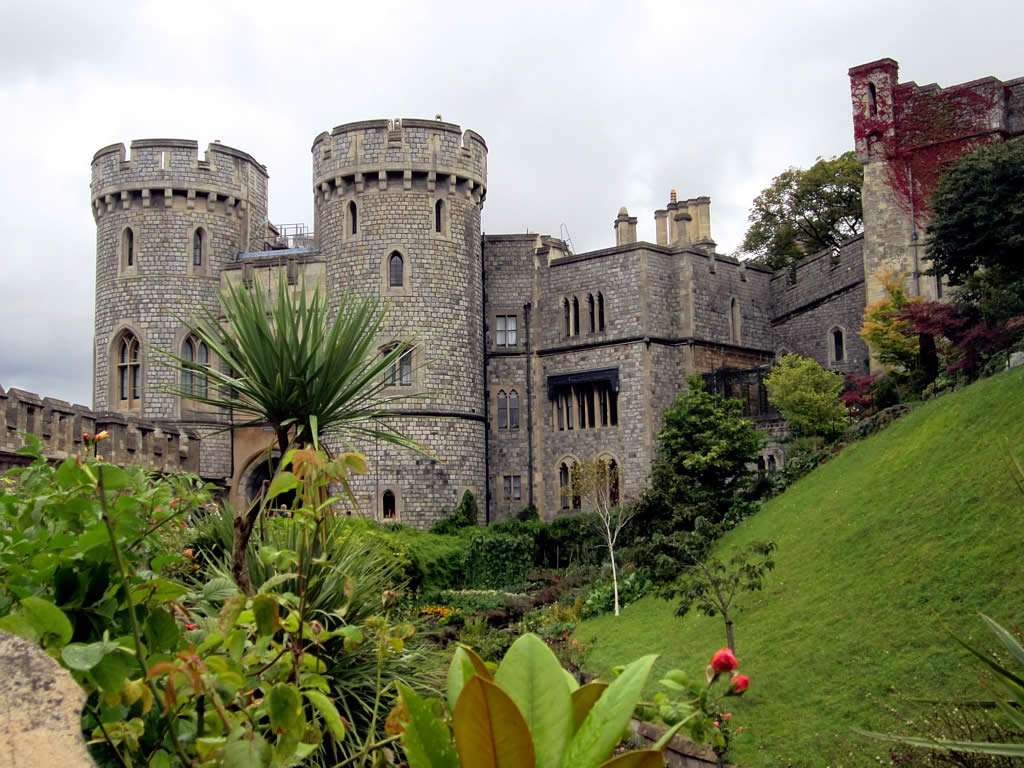
London, England Itinerary
Embark on an unforgettable journey with “City of Royals & River Lights,” your essential itinerary to the heart of England. From wandering ancient palaces and historic streets to drifting along the Thames at dusk, this itinerary is crafted for travelers eager to delve into London’s rich tapestry of history, culture, and vibrant city life.
This meticulously crafted itinerary, from the adventures of the Traveling Taylors, serves as a blueprint for travelers looking to immerse themselves in the vibrant culture, storied history, and spirited life of England. Whether you’re a seasoned globetrotter or a first-time visitor to London, this itinerary is tailored to help you weave your own tapestry of experiences in this iconic city. Please note, all prices shown herein were accurate at the time and are shown here for guidance. Please check the appropriate agencies and/or attractions for current pricing and availability. You should customize this itinerary to fit your needs, your trip duration, your budget, and your interests. Happy traveling!
Day 1: Travel to London, The U.K
Traveling from Tampa to London on a nonstop flight to Heathrow Airport (LHR) offers a smooth and efficient transatlantic journey
Departing from Tampa International Airport (TPA), the direct flight covers approximately 4,400 miles and typically takes around 8 to 9 hours. Upon arrival at Heathrow, one of the world’s busiest and best-connected airports, we were able to easily access central London via taxi. The direct route made it easy to transition from the sunshine of Florida to the rich culture, history, and excitement of the British capital.
✈️ ⏳ Flight Duration
The International Flight = about 8.5 hours non stop
Tampa (TPA) to London Heathrow (LHR) – 8.5 hours nonstop
💰 Flight Cost
International Economy Flight – $1254/pp
💰 Hotel Cost
Hotel – London Hilton on Park Lane
Soaring high above Park Lane, the London Hilton hotel is famed for its unparalleled five-star luxury. Overlooking Hyde Park in the exclusive Mayfair district, this 28-story skyscraper hotel was the first Hilton in the UK, debuting in 1963. It boasts award-winning dining, six restaurants, and served as the Olympic Family Hotel during the 2012 Games. Just a short walk from Buckingham Palace and a tube ride from the London Eye, it placed us in the heart of the city’s elegance.Cost
£380 ($490)/nightLiving the Luxe Life: Our Stroll Through Mayfair’s Timeless Elegance We found ourselves swept up in the timeless elegance of Mayfair, one of London’s most exclusive and prestigious neighborhoods. Nestled between Hyde Park, Oxford Street, Regent Street, and Piccadilly, Mayfair impressed us with its blend of luxury, history, and refined charm. From the iconic Claridge’s to bespoke Savile Row and the vibrant Royal Academy of Arts, Mayfair blended historic beauty with modern sophistication.
Day 2: Walking Tour of London A Peaceful Pause in the Heart of London
Our Stroll Through Green Park
Tucked into the heart of Westminster, Green Park became one of our favorite quiet escapes. As one of the eight Royal Parks, it may be smaller than its neighbors, but its simplicity and serenity made it unforgettable. Just across Constitution Hill from Buckingham Palace, it was the perfect place for a peaceful London pause.
Day 3: Tower of London & Crown Jewels
There’s no mistaking the chill you feel standing before the Tower of London.
A place where history is as heavy as its stone walls, the Tower has stood watch over the Thames for nearly a thousand years. We walked through its inner courtyards, marveled at the ancient armor, and stood in awe before the Crown Jewels—an opulent collection that still plays a role in British coronations today.
Day 4: Buckingham Palace State Room Tour
Stepping inside Buckingham Palace felt like entering the heart of the British monarchy.
The State Rooms, open only during select months, dazzled us with gilded ceilings, sparkling chandeliers, and historic portraits. The tour gave us a glimpse into royal entertaining and state affairs, and walking through the palace gardens felt like a dream.
💰 Entrance Fee
- £32/adult; £20.50 (18–24)
- £16/child
- Free for under 5s and companions with access needs
Day 5: Westminster Abbey, Palace of Westminster, London Eye
We began at Westminster Abbey, the site of royal coronations and weddings.
The vaulted ceilings and ancient tombs were breathtaking. Then we walked over to the Palace of Westminster, home to the UK Parliament, and ended our day with a sunset ride on the London Eye—watching the city bathe in golden light from above.
💰 Entrance Fee
- Westminster Abbey: £30/adult; £27/senior; £13/child
- Palace of Westminster: £28/adult; £11/child
- London Eye: £29–£44/person
Day 6: Hyde Park, Kensington Gardens & Harrods
Our final day took us through the green expanse of Hyde Park and into the regal beauty of Kensington Palace Gardens.
We reflected on the week’s adventures among swans and sculptures before heading to Harrods, where opulence met British tradition in its iconic food halls and fashion floors.
Our London, England Trip Cost
Travel Item
Cost Per Person
International Economy Flight Roundtrip
$1254/PP
Hotel (London Hilton Park Lane)
$490/Night
Buckingham Palace Entrance
$42/PP
Westminster Abbey Entrance
$40/PP
Palace of Westminster Tour
$38/PP
London Eye
$39/PP
Airport Transfer (Taxi)
$70/PP (roundtrip)
Using The Itinerary
Your Trip, Your Way
Our travel itineraries are designed to be flexible and easy to use. You can copy them exactly for a hassle-free trip, use them as a guide to craft your own personalized adventure, or book an existing tour through an established tour company. Each option has its pros and cons. Booking through a tour company can save you time and provide the convenience of a structured experience, but be aware that they often mark up prices to turn a profit—what might cost $9 for a temple entrance could be bundled into a $100 tour fee.
On the other hand, planning your own trip using our itinerary allows you to save money and move at your own pace, though it requires more effort and research. There’s no wrong way to travel or plan a trip. Ultimately, it’s all about what works best for you—whether you value convenience or prefer the freedom of exploring on your own terms.

London Itinerary Landmarks & Activities
Green Park
Green Park was established in 1660 by King Charles II, who wanted a tranquil green space to enjoy daily walks from Hyde Park. This 40-acre park is uniquely devoid of lakes or formal gardens, emphasizing its role as a serene natural retreat. Over the years, it has also become a space of remembrance, with war memorials honoring Commonwealth soldiers and a wildflower meadow named The Queen’s Meadow planted in 2016. Its minimalist design and rich history make it a quiet cornerstone among London’s royal parks.
We started our day with a peaceful stroll through Green Park, one of London’s Royal Parks tucked beside Buckingham Palace. The early morning air was crisp and the shade of the mature trees offered a perfect canopy as we walked along the quiet, grassy paths. We paused by the Bomber Command Memorial and the Canada Memorial, reflecting on their poignant tributes amidst the park’s understated beauty. Unlike other London parks, Green Park felt refreshingly unmanicured, with its stretches of open meadow and lack of distractions like lakes or buildings.


The Mall
We walked the length of The Mall, its red-paved path making us feel as though we were walking on a grand red carpet rolled out toward Buckingham Palace. Surrounded by the elegance of Green Park and St. James’s Park, it was easy to imagine the royal processions that have paraded along this route. The street was closed to traffic, and we joined fellow pedestrians soaking in the grandeur and snapping photos with the palace gates in sight.
The Mall was transformed in the early 20th century under King Edward VII to serve as a ceremonial route for royal processions. Originally a modest path, it was revamped with the red surface to resemble a royal carpet and has since become the main stage for major events like Trooping the Colour and royal weddings. It stretches from Admiralty Arch to Buckingham Palace, embodying the pageantry of the British monarchy.
Buckingham Palace
Standing in front of Buckingham Palace, we were struck by its majestic façade and the sense of history echoing from its grand gates. The iconic balcony felt almost surreal to see in person, a spot we’ve so often glimpsed in televised royal celebrations. As we admired the intricate ironwork and took in the crowds of visitors, it was clear we were at the heart of British tradition.
Originally Buckingham House, the palace became the royal residence in 1837 with Queen Victoria. Over the years, it has evolved into a symbol of monarchy and national pride. It hosts countless state events and serves as the administrative headquarters of the sovereign. With 775 rooms and the largest private garden in London, it’s a living testament to royal heritage.


Queen Victoria Memorial
We found ourselves drawn to the towering Queen Victoria Memorial in front of Buckingham Palace. Its gleaming golden statue of Victory at the top shone in the daylight, while the elaborate marble sculptures below depicted virtues like Justice and Motherhood. We circled the monument slowly, taking in the scale and symbolism carved into every surface.
Unveiled in 1911, this memorial was created to honor Queen Victoria’s long reign and influence. Designed by Thomas Brock, it includes a blend of neoclassical and nautical themes that reflect Britain’s imperial power. The central statue faces The Mall, while allegorical figures surround the base, representing values dear to the queen and the nation. It’s the tallest monument to a monarch in The U.K.
City of Westminster
As we wandered through the City of Westminster, we were surrounded by some of the most iconic sights in London. The streets buzzed with energy, yet we often found quiet corners and green spaces offering moments of calm. Whether we were standing in awe of Big Ben, peering down Whitehall, or browsing shops off Piccadilly, the district felt both regal and modern.
The City of Westminster is home to the UK’s political and cultural powerhouses, from Parliament to Buckingham Palace. Established centuries ago, it has long been the center of government and royal affairs. Beyond politics, it hosts major shopping streets, theaters, and parks, making it one of London’s most dynamic and essential boroughs.


Westminster Cathedral
We stepped inside Westminster Cathedral and were instantly struck by the contrast between its unadorned brick exterior and the richly decorated Byzantine interior. The soaring ceilings, golden mosaics, and intricate marble floors gave the space a solemn, reverent beauty. Sitting quietly in one of the pews, we found a moment of peace amid the grandeur.
Completed in 1903, Westminster Cathedral is the mother church of Roman Catholicism in The U.K. and Wales. Designed by John Francis Bentley in a Byzantine Revival style, it features a 273-foot bell tower and remains a site of deep spiritual and architectural significance. Though still unfinished inside, its mosaics and acoustics are breathtaking, and it continues to host daily Mass and musical performances.
Trafalgar Square
Built to commemorate the British victory at the Battle of Trafalgar in 1805, the square has long been a central gathering point in London. Nelson’s Column, rising at its center, honors Admiral Lord Nelson, and the surrounding area is home to embassies, churches, and museums. It’s a place where history, art, and civic life intersect.
Trafalgar Square greeted us with its lively buzz, from the fountains sparkling in the sun to the grand lion statues standing guard beneath Nelson’s Column. We watched tourists pose for pictures and performers entertain the crowd, all while pigeons fluttered about. The square was a perfect spot to rest and people-watch with the National Gallery’s regal columns behind us.


The National Gallery
Founded in 1824, the National Gallery houses over 2,300 works spanning from the 13th to the 20th century. It was established to make fine art accessible to the public and continues to be one of the world’s premier art institutions. Set in Trafalgar Square, its neoclassical building is both an architectural and cultural treasure.
We wandered through the galleries of the National Gallery in awe, moving from Van Gogh’s “Sunflowers” to Da Vinci’s soft, glowing brushwork. Each room felt like a step through art history, filled with masterpieces that took our breath away. Best of all, entry was free, which made our visit feel even more welcoming and enriching.
Parliament Square Garden
Laid out in 1868, Parliament Square is located directly opposite the Palace of Westminster and Westminster Abbey. It’s a place of political gatherings and public demonstrations, but also a tribute to democratic ideals. The statues celebrate global figures who have shaped liberty and justice, making it a thought-provoking stop in the heart of Westminster.
We crossed the street to Parliament Square Garden, surrounded by some of the most powerful symbols of British democracy. Statues of global leaders like Churchill and Mandela lined the green, and we admired how history was literally set in stone. Despite the political activity nearby, the garden felt calm and reflective.




Westminster Abbey
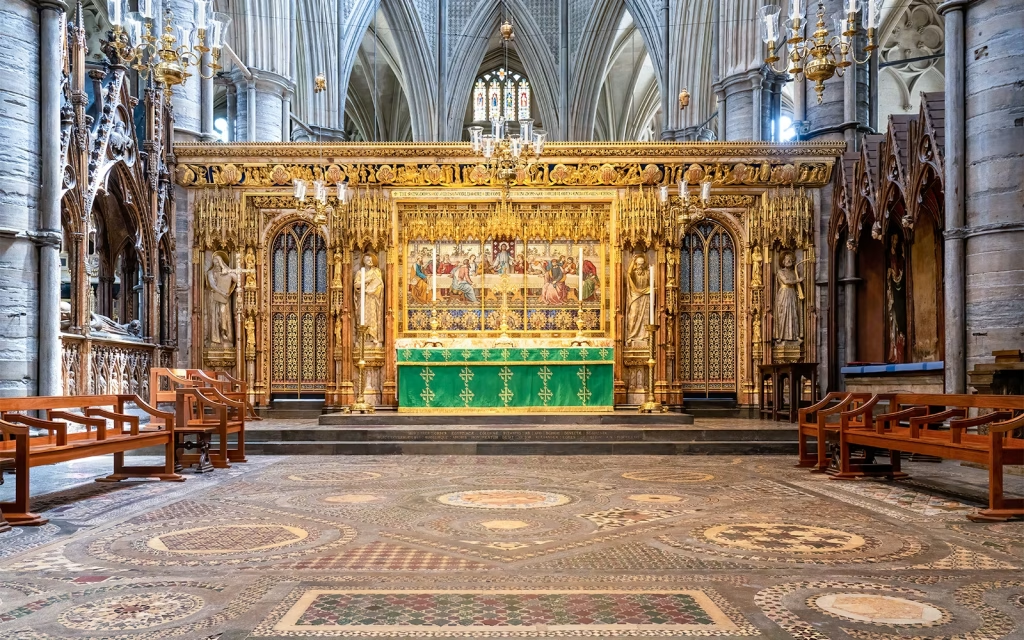
Westminster Abbey stopped us in our tracks the moment we stepped through its grand Gothic doors. The air inside felt hushed, almost sacred — not just because of its religious significance, but because of the sheer weight of history echoing through its stone walls. We wandered past tombs of kings and queens, stood beneath the vaulted ceiling of the nave, and lingered in the Poets’ Corner, where literary greats like Dickens, Austen, and Chaucer are honored. There’s something surreal about walking the same aisle where monarchs have been crowned for nearly a thousand years. It felt less like a museum and more like a living chronicle of Britain’s soul.
Big Ben
Big Ben caught us by surprise — not because we didn’t expect it, but because seeing it in person felt so much grander than the countless photos and postcards we’d seen. Towering over the north end of the Palace of Westminster, the clock tower struck an almost regal pose against the London sky, its golden details glinting in the sunlight. We lingered on Westminster Bridge, letting the rhythmic chimes roll over us as the Thames shimmered below. It’s one of those icons that truly lives up to the hype — standing beneath it, you can’t help but feel the heartbeat of London ticking right alongside.


London Eye
Riding the London Eye was like watching the city exhale beneath us. As we stepped into the glass capsule, the hum of central London gave way to quiet awe. Each slow ascent revealed another layer of London’s story — from the grandeur of Westminster to the glint of The Shard in the distance. Suspended in the sky, we found ourselves tracing the Thames with our eyes, spotting red buses crossing bridges and riverboats carving gentle wakes. It was peaceful, cinematic, and undeniably magical.
This isn’t just a ferris wheel — it’s a London rite of passage. Standing 135 meters tall on the South Bank, the London Eye offers some of the most iconic views in the city. The 30-minute rotation gives you time to savor the skyline, take stunning photos, and get your bearings in this sprawling metropolis. Whether it’s your first trip or your fifth, the view from the top never gets old.
Harrods – London Iconic Luxury Department Store
Harrods is more than a department store—it’s a London institution. Located in the upscale Knightsbridge neighborhood, this iconic building spans over a million square feet and houses more than 300 departments, offering everything from luxury fashion and fine jewelry to gourmet food and bespoke homewares. Its grand interiors, including the famed Egyptian Escalator and Art Nouveau detailing, make shopping here feel like walking through a palace.
We visited not just to shop, but to experience the elegance woven into every corner of the store. From sipping tea beneath crystal chandeliers to wandering through the fragrant Food Halls lined with artisan chocolates and rare teas, Harrods offers a sensory escape from the ordinary. Whether you’re a first-time visitor or returning for the magic, Harrods promises a quintessential taste of London luxury.


Palace of Westminster
The Palace of Westminster, with its iconic Gothic spires and riverside presence, is one of London’s most recognizable landmarks. Home to the UK Parliament, it sits majestically along the River Thames, with the soaring Elizabeth Tower—famously housing Big Ben—marking time over centuries of British history. Whether viewed from Westminster Bridge or explored up close, the building’s ornate façade, rich symbolism, and historic significance give it an almost cinematic presence in the heart of the city.
During our visit, we were struck by how the Palace blends ceremony with active politics. Standing in Parliament Square, we could hear the occasional rally or protest—a reminder that this isn’t just a tourist site, but a working seat of democracy. Guided tours (when Parliament isn’t in session) offer a glimpse inside the House of Commons and House of Lords, where historic decisions continue to shape the future of the UK. It’s a must-see for anyone interested in history, architecture, or British culture.
Tower of London
The Tower of London is one of the city’s most storied landmarks—equal parts fortress, palace, and prison. As we walked through its thick stone walls and ancient courtyards, it felt like we were stepping straight into a medieval drama. Beefeaters in traditional uniforms greeted visitors, while ravens strutted across the grounds, guarding the legend that if they ever leave, the kingdom will fall. From chilling tales of royal betrayals to the dazzling display of the Crown Jewels, the Tower holds centuries of secrets within its walls.
Originally built by William the Conqueror in the 11th century, the Tower has served many roles over its long history, from housing monarchs to imprisoning traitors. It’s most famous for its darker chapters—like the execution of Anne Boleyn and the mysterious disappearance of the Princes in the Tower. Today, it stands as a UNESCO World Heritage Site and a living museum, offering guided tours, interactive exhibits, and a visceral connection to Britain’s turbulent past.




London Crown Jewels
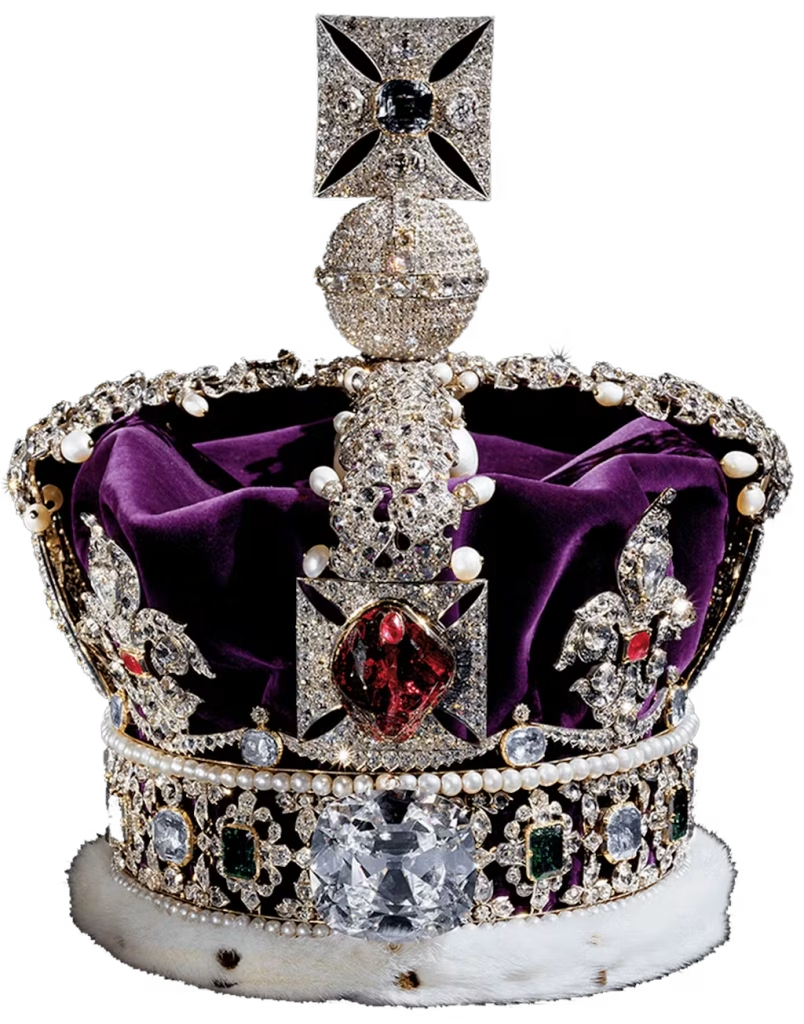
The Crown Jewels are the glittering heart of the Tower of London—and one of the most breathtaking displays of royal power and craftsmanship in the world. As we entered the Jewel House, the air felt almost reverent. Behind thick glass and tight security, the collection gleamed: golden orbs, jeweled swords, and regalia used in centuries of coronations. But it was the Imperial State Crown, adorned with over 2,800 diamonds, that truly stopped us in our tracks. Seeing these treasures up close gave us a whole new appreciation for the symbolism and ceremony of the British monarchy.
This priceless collection includes coronation crowns, scepters, and sacred objects like the Sovereign’s Orb and the Coronation Spoon—some of which date back to the 12th century. Still used in royal ceremonies today, the Crown Jewels represent both the continuity of the monarchy and the grandeur of Britain’s royal heritage. With their rich history and unmatched sparkle, they remain one of London’s most unforgettable sights.

Plan Your Trip to The U.K.
Plan your trip by following the steps below or use our
travel agent to have your trip booked for you, free of charge!
Click here to use our travel agent
1. Decide When You Want To Travel
Spring (April–June) and autumn (September–October) offer ideal weather and fewer crowds across most of the UK. Summer is great for festivals and long daylight hours, especially in the countryside and along the coast, while winter brings festive charm to cities like London, York, and Edinburgh.
2. Set A Budget
Costs in The U.K. —especially London—can add up quickly. Consider transportation (train or rental car), accommodation, dining, and attractions. Outside London, expenses tend to be lower, so mix city days with countryside escapes to stretch your budget.
3. Book Your Flight
Fly into major airports like London Heathrow, Gatwick, or Manchester, depending on your itinerary. For better deals, book 2–4 months in advance and compare flight aggregators.
4. Book Your Accommodation
Choose centrally located hotels or guesthouses near public transport in larger cities. In rural areas, B&Bs and historic inns offer charm and local flavor. Consider booking National Trust cottages or countryside stays for a unique experience
5. Plan Your Itinerary
Map out your must-see destinations and organize by region. Whether you’re sticking to London or venturing to places like the Cotswolds, Bath, or the Lake District, plan your days with a mix of sightseeing and downtime.
6. Arrange Transportation
Trains are efficient for city-to-city travel, especially with advance tickets via National Rail. Within cities, use contactless cards for public transport. For rural areas, renting a car gives you the flexibility to explore off-the-beaten-path villages and coastlines
7. Prepare For Your Trip
Bring weather-appropriate layers, a universal plug adapter (Type G), and download helpful apps like Citymapper (for transport) and Trainline (for rail schedules). Check for any strikes or closures affecting transport or major attractions.
8. Stay Safe and Respectful
The U.K. is generally very safe, with excellent infrastructure and healthcare. Respect local customs—like queuing, staying quiet in historical or religious spaces, and avoiding controversial topics in public. Always have travel insurance just in case.
9. Enjoy Your Trip!
Take your time. Sip tea in a quiet café, get lost in cobbled alleys, and chat with locals. Whether it’s your first visit or your fifth, The U.K. offers endless layers to discover—from royal cities to rugged coastlines.
Our Travel Must-Haves

Universal Charging Adapter
A friend of ours told us about this universal adapter when we were in Greece, and our lives were forever changed. We used to have to carry multiple adapters but now only carry this one as it has an adapter for every country and supports wall and USB chargers!
On The Go Phone Charger
We purchased two of these because we loved it so much. We are constantly using our phones, taking photos and videos while we travel, and never want to run out of charge. These portable chargers keep our phones fully charged at all times!


Disposable Hotel Slippers
We love hotel slippers, and some hotels give them and some do not, so we like to be prepared. Plus, the best part is, we can throw them out when we leave the hotel and make our suitcase lighter instead of carrying traditional bedroom slippers that we use at home.
Travel Packing Bags
We love these compression cubes! We are notorious over-packers, and these packing cubes help us keep our suitcase organized and underweight!