

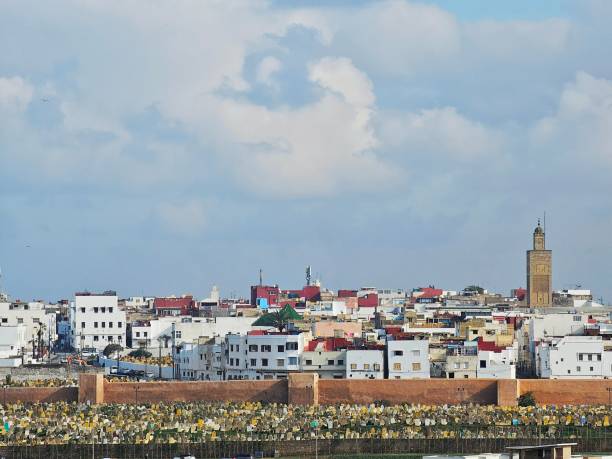
We thought we were just visiting another historic monument in Rabat. But the Hassan Tower? It surprised us. Beneath its red sandstone exterior lies a story of ambition, mystery, and royal legacy. Here are 7 surprising facts about the Rabat Hassan Tower that’ll change how you see it.
Get To Know The Traveling Taylors!
1. It Was Meant to Be the Tallest Minaret in the World
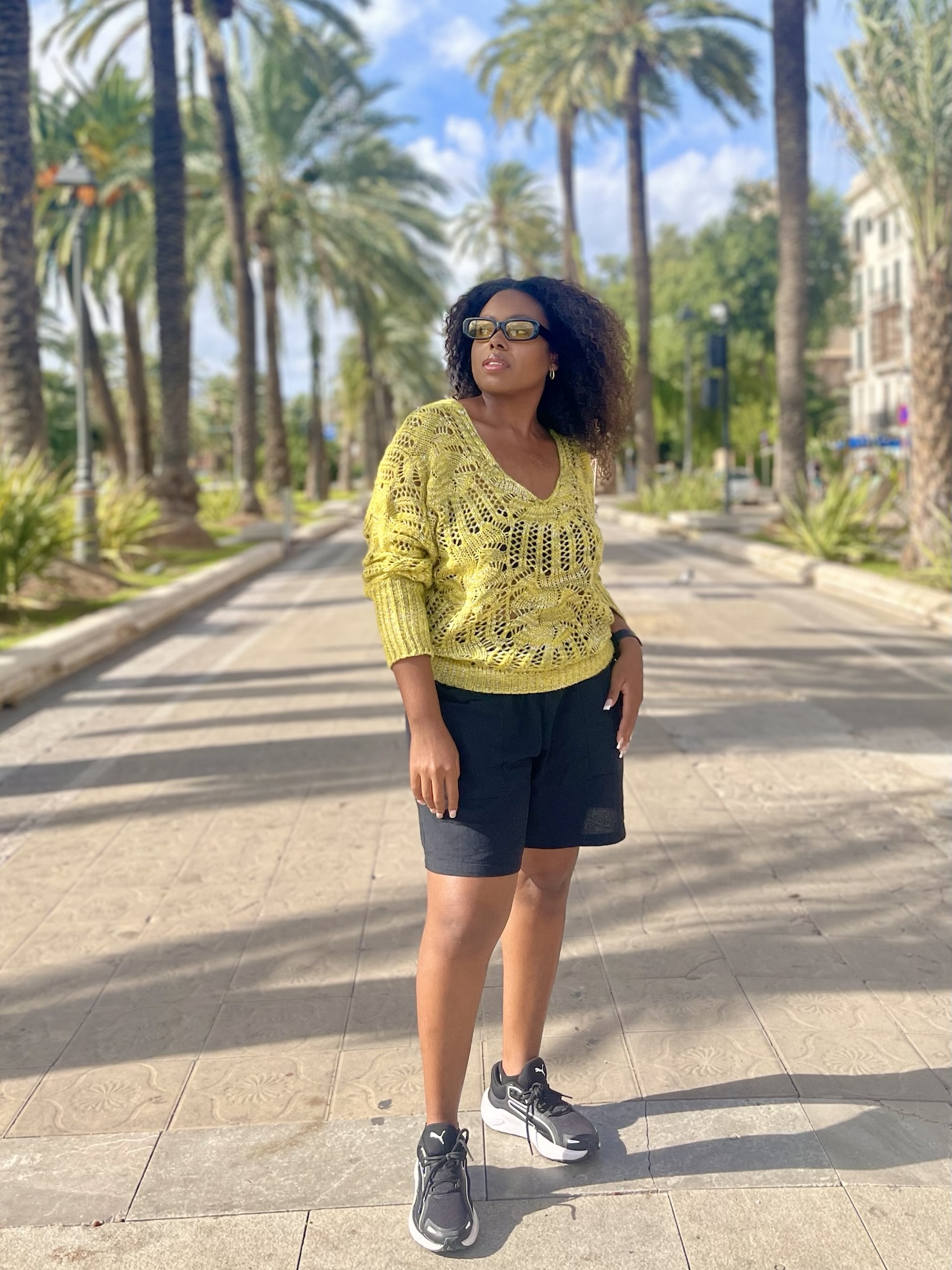
Sultan Yacoub al-Mansour envisioned the Hassan Tower as the tallest minaret ever built, planned to reach a staggering 86 meters. At its completion, it would have dwarfed every mosque in the Islamic world. Unfortunately, only 44 meters were completed before his death halted construction. Wandering these grounds means plenty of time on your feet, so lace up a pair of supportive walking sneakers like these before you go.
2. It Was Part of a Mega-Mosque Project That Never Happened
The tower was just one piece of a much larger dream: a grand mosque that could host 20,000 worshippers. The plaza around the tower still holds rows of unfinished marble columns, the ghostly footprint of what would have been one of the biggest mosques in history.
3. It Has No Stairs—Just Ramps Inside
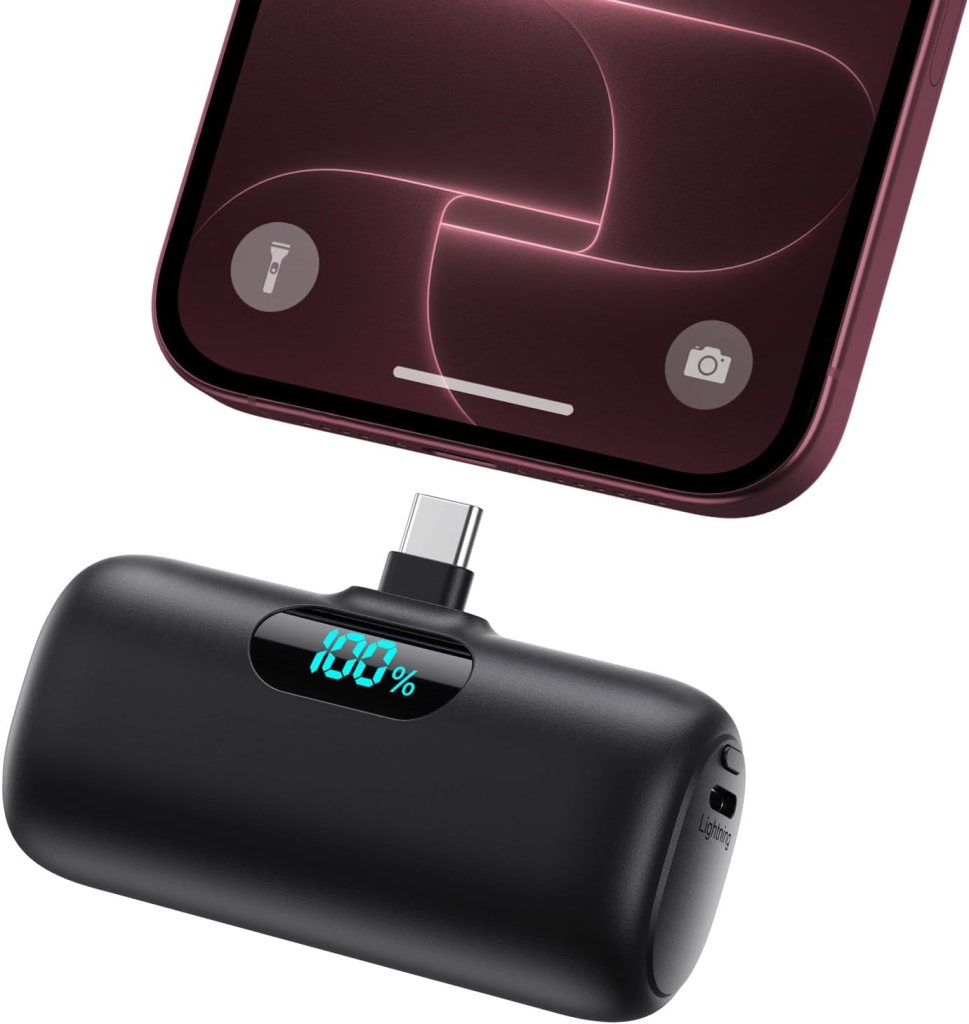
One of the tower’s most unique features? Inside, instead of stairs, a series of gently sloping ramps were designed so that a muezzin (caller to prayer) could ride a horse to the top. This clever design reflects the engineering innovation of the Almohad dynasty. A full day of exploring sights like this drains your phone fast, so I never head out without a compact portable power bank like this.
4. It Survived Multiple Earthquakes
While many ancient Moroccan structures have suffered severe damage from earthquakes, the Hassan Tower has endured surprisingly well. Its unfinished state may have helped preserve it—there was simply less to collapse.
5. It Was a Political Statement as Much as a Religious One
Yacoub al-Mansour wasn’t just building a mosque; he was declaring Rabat as the capital of his empire. The Hassan Tower was meant to rival the grandeur of Cordoba and Marrakesh, signaling the power of the Almohad dynasty.
6. It’s Right Next to a Royal Mausoleum
Adjacent to the tower lies the Mausoleum of Mohammed V, the resting place of Morocco’s beloved king and his sons. Unlike the tower, the mausoleum is fully completed, ornate, and open to non-Muslims. It provides a stark and beautiful contrast to the tower’s unfinished bones. The ornate detail here begs to be photographed, and a compact selfie stick tripod like this one makes capturing it so much easier.
7. No Two Visits Feel the Same
The light changes, the sky shifts, and the shadows move—each visit to Rabat Hassan Tower feels different. Photographers love the golden hour glow on its red stone, while quiet mornings offer a solemn, reflective mood. To really do that golden light justice, it’s worth bringing along a lightweight mirrorless camera like this one.
Bonus: It’s Free to Visit and Easy to Access
You don’t need a ticket or a guide to explore the Hassan Tower. It’s located in the heart of Rabat and pairs perfectly with visits to the medina, Royal Palace, or Andalusian Gardens. Since you’ll be weaving through busy medina lanes, a discreet hidden RFID-blocking money belt like this keeps your cash and passport safe.
Final Thoughts on Rabat Hassan Tower
The Rabat Hassan Tower isn’t just a half-finished monument—it’s a living story of ambition, legacy, and resilience. Once you know its secrets, it’s hard to see it as anything less than extraordinary. Whether you’re a history nerd or a curious traveler, this landmark belongs on your Moroccan bucket list.









Share your thoughts with us! Leave a Comment!