

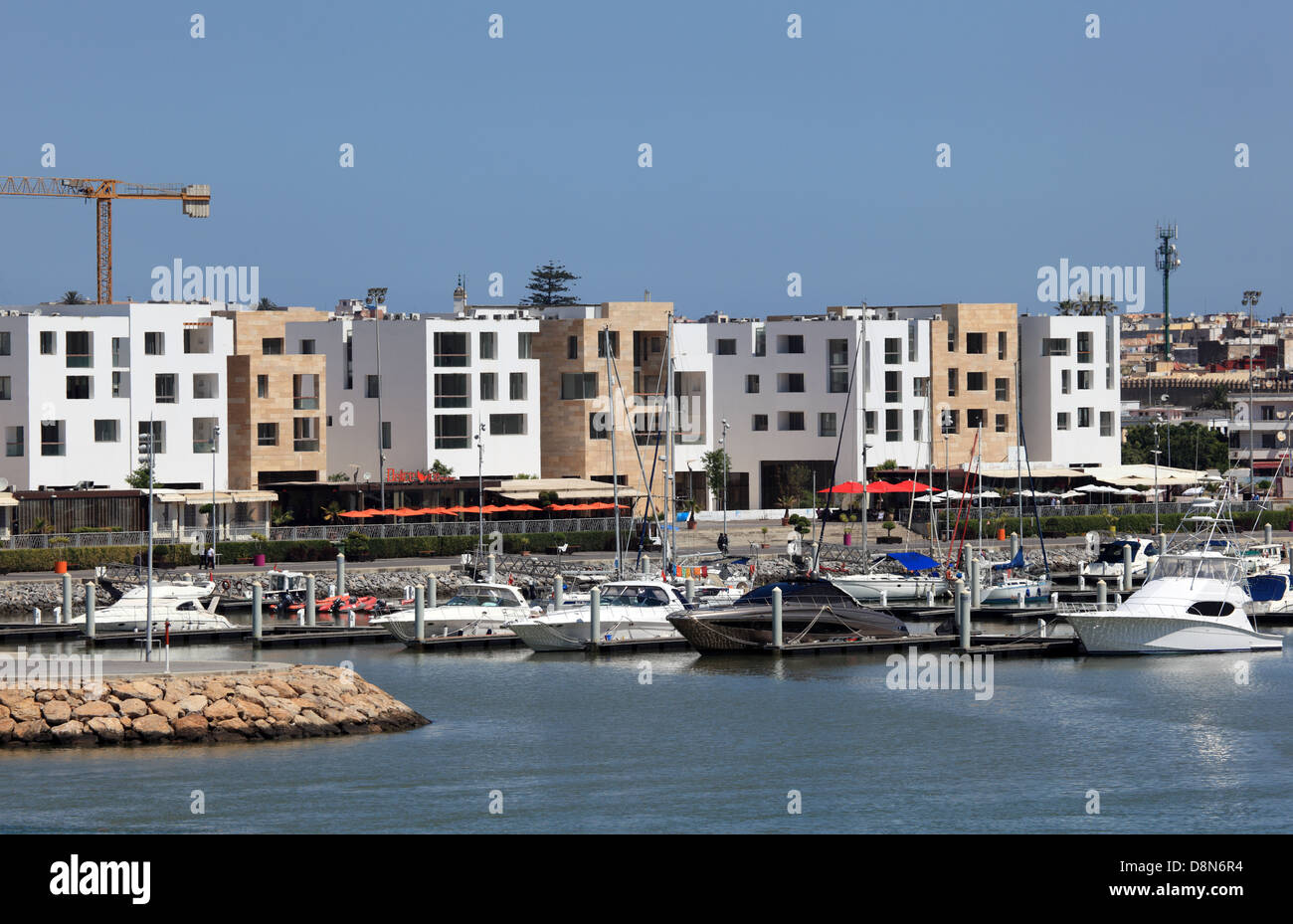
Walking past the bustling Casablanca port today, it’s hard to imagine its humble beginnings. What started as a colonial-era dock has grown into one of the busiest and most strategic ports in Africa. Here’s a look at the history of the Casablanca port and how it became a global hub.
Get To Know The Traveling Taylors!
Early Beginnings
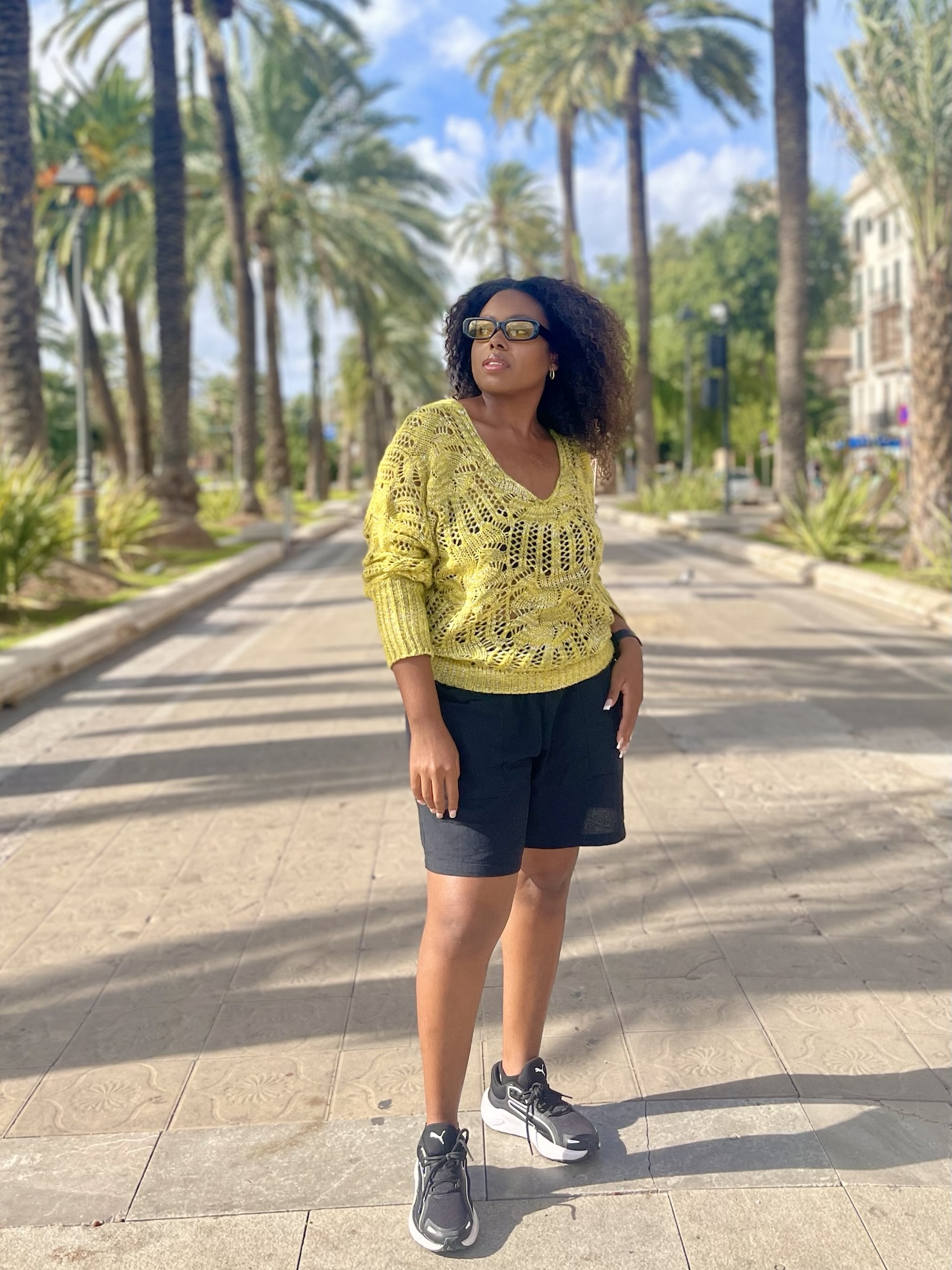
Casablanca’s location along the Atlantic coast made it a natural maritime stop. But until the early 20th century, it was little more than a fishing village with small docking points. If you’re planning to trace this stretch of shoreline on foot, a pair of supportive walking sneakers like these will make the long waterfront strolls easy on your feet. To put the whole story into context, you can explore guided Casablanca tours.
Quick Fact: In the late 1800s, European traders began to see the potential of Casablanca as a port city.
French Colonial Influence
The real transformation began under French colonial rule in the early 1900s. The French developed Casablanca port into a modern harbor, complete with breakwaters and shipping docks, to support exports of phosphate, agriculture, and goods. If you’re planning to visit and photograph the striking colonial-era architecture around the harbor, a lightweight mirrorless camera such as this one captures the detail beautifully.
Bold Note: This development turned Casablanca into Morocco’s main commercial center, surpassing older cities like Fes and Marrakech.
Growth in the 20th Century
Through the decades, the port expanded to handle growing trade. By mid-century, it had become one of the largest artificial ports in the world, equipped to serve cargo ships, fishing fleets, and later, cruise liners.
Pro Tip: If you’re visiting today, the fishing docks near the port remain one of the best places to sample Casablanca’s fresh seafood. After a day of sampling all that fresh catch, some travelers like to freshen up with a portable water flosser like this one back at the hotel.
Casablanca Port Today
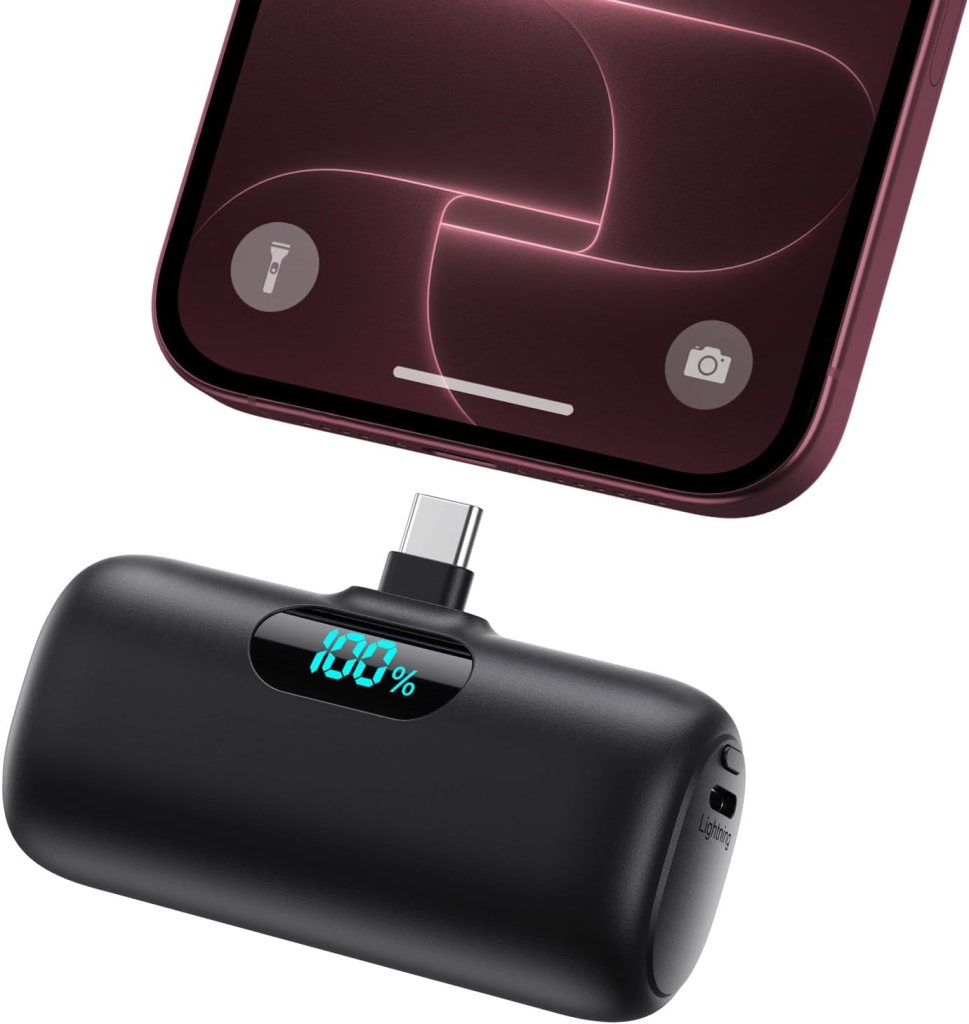
Now handling more than half of Morocco’s international trade, the Casablanca port is an economic powerhouse. It’s also a key stop for cruise ships, bringing thousands of visitors each year. Many cruise visitors like to join a guided Casablanca city tour to see the highlights in a single day. If you’re planning to spend a full day exploring the waterfront, a portable power bank such as this one keeps your phone charged for maps and photos.
Quick Note: The port is managed by Marsa Maroc, the national port services company, ensuring its role as a modern hub.
Casablanca Port’s Legacy
The history of the Casablanca port mirrors the city’s own story—from small fishing town to Morocco’s biggest economic engine. Its evolution into a global hub explains why Casablanca remains the country’s beating modern heart, connected to the wider world by sea.











Share your thoughts with us! Leave a Comment!