
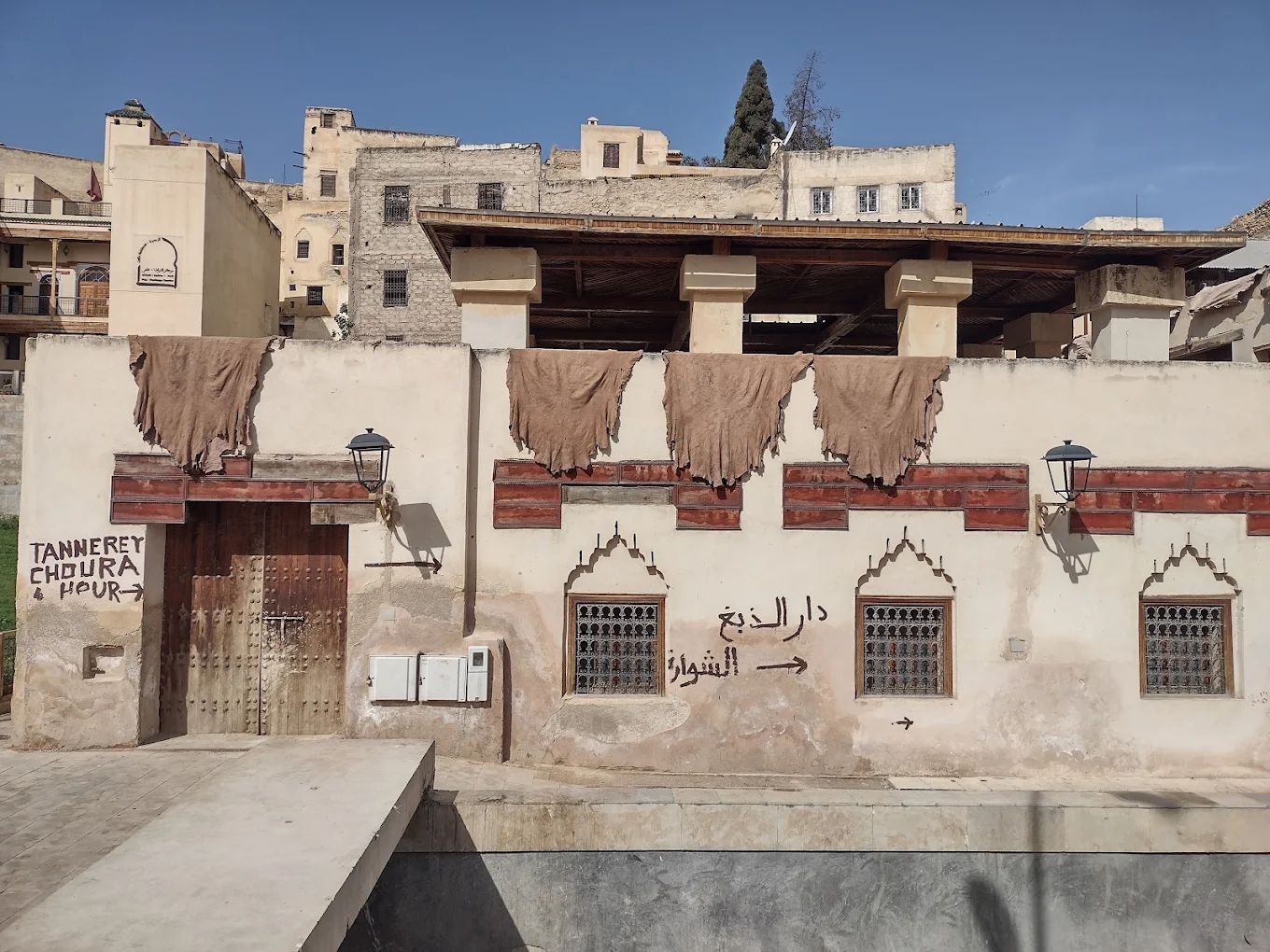
We visited Chouara tannery during our first wander through the Fes medina, thinking it would be a quick photo stop. Instead, it turned into one of the most intense (and fascinating) cultural experiences of our trip. If you’re planning to visit Chouara tannery, here’s exactly what you should know beforehand.
Get To Know The Traveling Taylors!
Chouara Tannery Is Beautiful — and Overwhelming
Chouara tannery is the oldest and largest tannery in Fes, dating back nearly a thousand years. From above, the honeycomb of stone dye pits filled with earthy reds, yellows, and browns looks almost surreal. To capture that jaw-dropping view in full detail, you might pack a lightweight mirrorless camera like this one.
But here’s what photos don’t show: the smell is strong.
Leather at Chouara tannery is still processed using traditional methods, including natural dyes and pigeon droppings to soften hides. It’s authentic — but intense.
Quick tip: Accept the mint leaves offered at terrace entrances. They genuinely help.
How You Actually Access Chouara Tannery
Another surprise? You can’t just walk up to Chouara tannery and look over the edge.
To see Chouara tannery from above, you must enter one of the surrounding leather shops. The terraces are privately owned, and access is technically free — but there’s an expectation. If you’d rather skip the guesswork, you can take a guided Fes tour that includes the tannery terraces.
Here’s how it works:
- A shop guide leads you upstairs.
- You get a panoramic view of Chouara tannery. Using the ultimate travel action camera like this is the best way to capture photos and videos of the tannery.
- On the way down, you’re shown leather goods.
There is usually pressure to buy.
Pro tip: Be polite but firm. A simple “No thank you” repeated calmly works.
Best Time to Visit Chouara Tannery
Timing makes a huge difference at Chouara tannery.
- Morning (before 11am): Workers are active, colors are vibrant.
- Midday: Harsh light flattens the pits and intensifies the smell.
- Late afternoon: Softer lighting, fewer crowds.
We found early morning at Chouara tannery offered the best balance of activity and manageable crowds. If you want hands-free shots while the light is soft, a smart face-tracking phone tripod like this can follow the action for you.
What’s Really Happening Inside Chouara Tannery
Looking down into Chouara tannery, you’ll see men standing waist-deep in dye pits. It’s not staged — this is a centuries-old craft still operating today.
The process includes:
- Soaking hides in limestone and pigeon droppings
- Softening and scraping leather
- Dyeing using natural pigments like saffron and indigo
- Drying hides under the sun
Chouara tannery is physically demanding work. Watching it gives you a deeper appreciation for Moroccan leather goods.
Common Tourist Traps at Chouara Tannery
Let’s talk honestly.
Trap #1: “Free” Guided Directions
If someone offers to guide you to Chouara tannery, expect to pay. The medina is confusing, so either use offline maps or agree on a price first. If you want a vetted guide instead, you can reserve a private half-day medina tour ahead of time. A secure phone holder like this keeps your map visible and your hands free as you navigate the alleys.
Trap #2: Buying on Pressure
Leather goods at Chouara tannery can be beautiful — but prices are often inflated for first offers. Bargaining is expected. It also helps to keep your cash and cards tidy in a slim RFID-blocking wallet like this one so you can pay without flashing everything you carry.
Trap #3: Feeling Rushed
Some shopkeepers try to move you quickly from terrace to sales floor. Take your photos, enjoy the view, then browse at your own pace.
Is Chouara Tannery Ethical to Visit?
This is a question many travelers quietly wonder.
Chouara tannery uses traditional methods that have been passed down through generations. While the conditions look tough, this industry supports local families and preserves heritage skills.
If you’re uncomfortable, you can still observe respectfully without photographing workers up close.
Chouara tannery isn’t a sanitized attraction — it’s a living workplace.
Is Chouara Tannery Worth It?
If you’re sensitive to smells or dislike sales pressure, Chouara tannery may feel overwhelming, but if you want a raw, unfiltered glimpse into Moroccan craftsmanship, Chouara tannery is unforgettable.
Pros
- Historic and authentic
- Incredible photo opportunities
- Cultural insight
Cons
- Strong odor
- Sales pressure
- Crowded access points
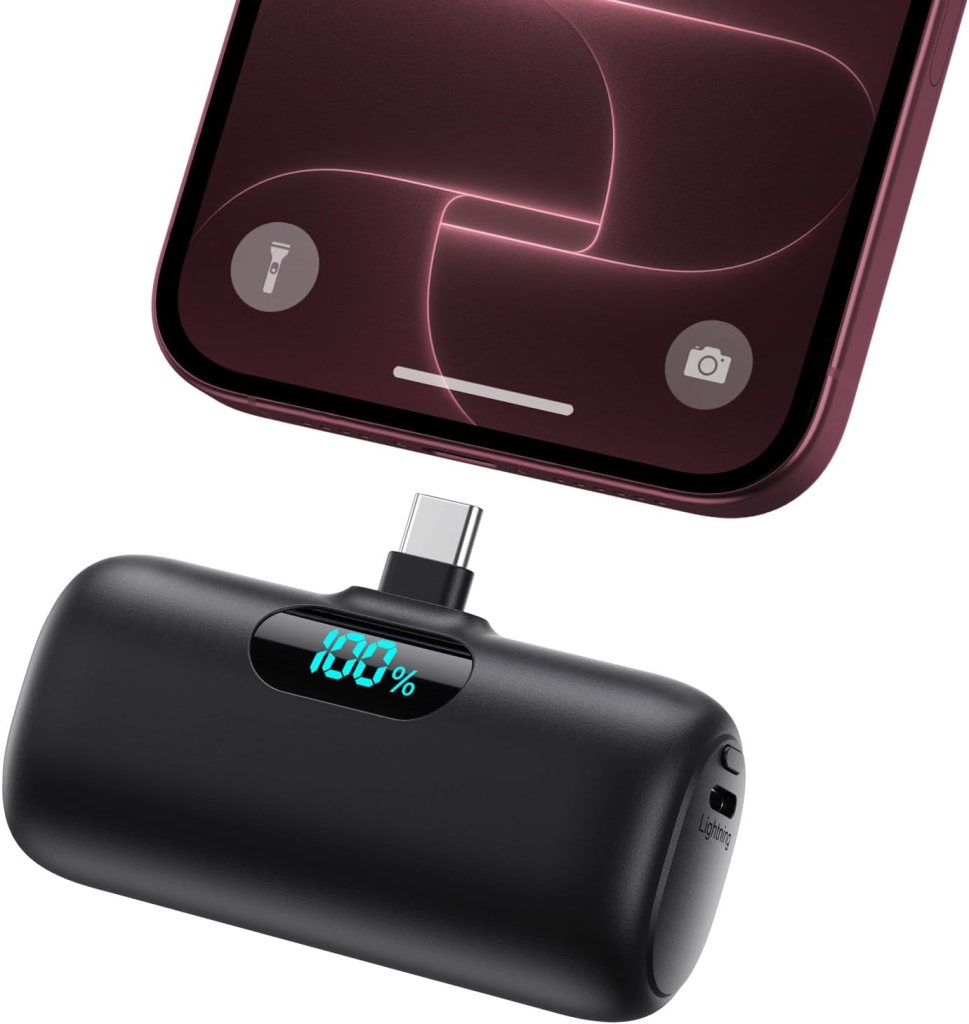
For us, Chouara tannery was intense — but it’s also one of the most memorable stops in Fes. Since we spent the morning filming and snapping away, a portable power bank like this kept our phones alive through it all.
Before You Go to Chouara Tannery
- Bring small cash for tips.
- Wear closed shoes.
- Go early.
- Be ready to say no confidently.
Chouara tannery isn’t polished or tourist-perfect. It’s loud, smelly, colorful, and completely unique. And honestly? That’s exactly why it’s worth seeing.








Share your thoughts with us! Leave a Comment!