
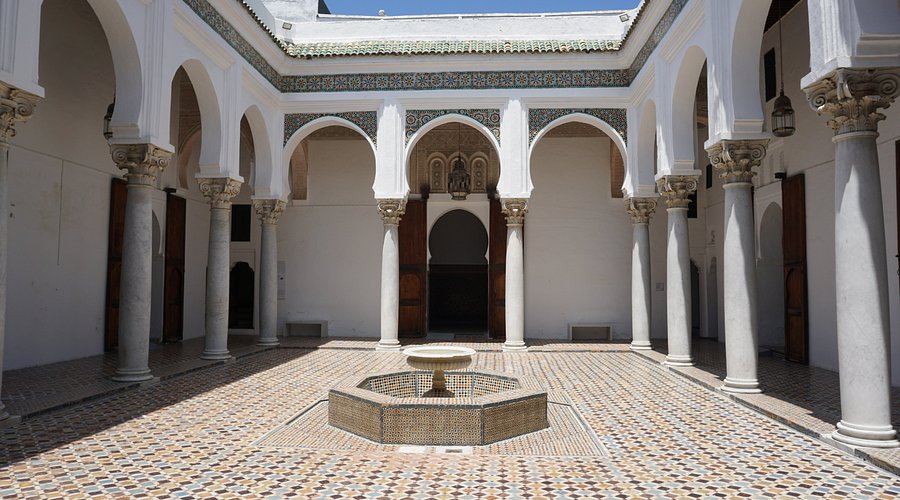
We walked into the Kasbah Museum expecting a standard cultural stop. What we didn’t expect? Peaceful courtyards, layered architecture, and one of the best quiet viewpoints in the area. If you visit the Kasbah Museum with the right approach, it becomes much more than a collection of displays.
Get To Know The Traveling Taylors!
Here’s how to experience the Kasbah Museum without rushing — and what most visitors overlook. Since you’ll be on your feet across uneven stone floors and stairs, a pair of supportive walking sneakers like these will keep the visit comfortable.
Kasbah Museum Is a Building First, Museum Second
The first thing to understand about the Kasbah Museum is that the fortress itself is part of the attraction.
Before you even examine the exhibits, notice the thick defensive walls, arched passageways, and interior courtyards. The Kasbah Museum sits inside a historic kasbah (fortified structure), and its architecture tells a story of protection and power. Many photographers steady their architecture shots with a compact selfie stick tripod to capture those soaring passageways.
Many visitors move quickly through the entrance halls of the Kasbah Museum, heading straight to exhibit rooms. Slow down. The stone textures, wooden doors, and tiled details are just as important as what’s inside the display cases.
Quick tip: Spend a few minutes in the entrance courtyard before exploring further.
Hidden Corners Inside Kasbah Museum
The Kasbah Museum isn’t large, but it has quiet rooms that are easy to miss.
Inside the Kasbah Museum, you’ll find:
- Smaller exhibit rooms with traditional textiles
- Displays of ceramics and pottery
- Historical maps and documents
- Cultural artifacts reflecting regional heritage
Some of these spaces feel tucked away, especially if you’re following a crowd. Wander independently if possible. The Kasbah Museum feels more meaningful when explored slowly rather than in a tight group. Some visitors like to record these quiet corners with a tiny wearable POV camera so they can stay present instead of holding up a phone. If you’d rather have local context as you go, you can join a guided walking tour of the kasbah and medina.
Look for benches or shaded alcoves — they offer small pauses that make the experience more reflective.
The Courtyards at Kasbah Museum
One of our favorite parts of the Kasbah Museum was the inner courtyard.
With mosaic tiles, greenery, and open sky above, the courtyard creates a peaceful break between exhibit rooms. The Kasbah Museum feels calmer here than many surrounding attractions.
This space is ideal for:
- Photos with natural light – Using the ultimate travel action camera like this is the best way to capture photos and videos of the Kasbah Museum in incredible detail.
- Taking a breather from sightseeing
- Observing architectural details up close
The courtyard at the Kasbah Museum gives you a sense of the kasbah’s original layout and atmosphere.
Rooftop Views from Kasbah Museum
Here’s what many visitors miss: the rooftop.
Climbing to the top of the Kasbah Museum rewards you with panoramic views over the surrounding city. It’s easy to get thirsty climbing to the top of the museum, so a reusable collapsible water bottle is handy to keep in your bag. From above, you can see rooftops stretching outward and understand why the kasbah was built in this strategic location. The rooftop can get bright and breezy, so a pair of UV-protective sunglasses makes soaking in the panorama a lot easier.
The rooftop at the Kasbah Museum isn’t always clearly signposted, so look for stairs leading upward.
Pro tip: Visit the rooftop near the end of your tour. The change in perspective ties everything together.
The Kasbah Museum rooftop feels like a hidden bonus — quiet, breezy, and surprisingly scenic.
Best Time to Visit Kasbah Museum
Timing affects your experience at the Kasbah Museum.
Morning: Quieter and cooler, ideal for exploring at your own pace.
Midday: Brighter light in courtyards but warmer temperatures.
Late Afternoon: Softer light and fewer crowds.
We preferred visiting the Kasbah Museum earlier in the day to avoid heat and enjoy the rooftop views comfortably.
Plan around 45–60 minutes for a relaxed visit to the Kasbah Museum.
Is Kasbah Museum Worth It?
If you’re expecting interactive displays and dramatic exhibits, the Kasbah Museum may feel simple.
But if you appreciate:
- Historic architecture
- Quiet exploration
- Cultural context
- Scenic rooftop views
Then the Kasbah Museum absolutely deserves a stop. If you want to pair it with the coast, you can reserve a private Tangier tour covering the medina, kasbah, and coastal landmarks.
It’s not overwhelming or overly crowded, which makes the Kasbah Museum a refreshing contrast to busier attractions. To keep your camera and phone charged through a slow, photo-filled visit, tuck a mini portable charger into your day bag.
Why Kasbah Museum Feels Different
The Kasbah Museum isn’t flashy — and that’s exactly why it stands out. The combination of fortress architecture, shaded courtyards, and panoramic rooftop views creates a layered experience. The Kasbah Museum invites you to move slowly, observe carefully, and appreciate subtle details.
For us, the rooftop moment sealed it. Looking out over the city from the Kasbah Museum gave context to everything we’d seen below. If you approach the Kasbah Museum as more than just a museum — as a space to explore — you’ll likely leave pleasantly surprised.












Share your thoughts with us! Leave a Comment!