

Every Marrakech guidebook and travel blog lists the Bahia Palace as a must-see. Built in the late 19th century for a grand vizier, it’s praised as one of Morocco’s most dazzling examples of Islamic and Moroccan architecture. But is it actually worth your time and ticket money? After exploring every courtyard and chamber ourselves, here’s our honest review of the Marrakech Bahia Palace.
Get To Know The Traveling Taylors!
First Impressions
From the outside, Bahia Palace is unassuming—you might even miss the entrance in the medina’s narrow streets. But once inside, the atmosphere shifts dramatically. Sunlit courtyards open up into intricate tilework, carved cedar ceilings, and cool marble floors. It feels like stepping into another era of Moroccan grandeur. If you want to catch every carved detail, you might pack a lightweight mirrorless camera like this one to do the tilework justice. To hear the stories behind each courtyard, you can book a guided Bahia Palace tour.
Our reaction: Beautiful, but busier than expected. Even early in the day, tour groups filled the courtyards.
What We Loved About Bahia Palace
The Grand Courtyard
- A vast marble courtyard surrounded by stunning zellij mosaics.
- It’s the palace’s most iconic spot and genuinely breathtaking.
The Harem Quarters
- Small rooms with unique ceiling designs and painted woodwork.
- They give a glimpse of the palace’s intimate side.
The Gardens
- Orange trees, jasmine, and fountains bring the space to life.
- A peaceful retreat from the chaos of Marrakech streets.
The Architecture Overall
- Every wall, doorframe, and ceiling tells a story of Moroccan artistry.
- Even without furnishings, the craftsmanship alone makes it special.
Serious photographers often steady their shots of the Bahia Palace with a smart face-tracking phone tripod like this so the detail stays crisp.
What Felt Overrated
- Crowds: Tour groups pile in quickly, especially mid-morning. Getting photos without people is tricky.
- Empty Interiors: Unlike European palaces filled with furniture and artifacts, Bahia is largely unfurnished, which can feel underwhelming if you expect opulence.
- Repetition: After a few courtyards and rooms, some visitors may feel the patterns start to blur together.
How Much Time Do You Need?
- Quick visit: 30–45 minutes if you just want to see the highlights.
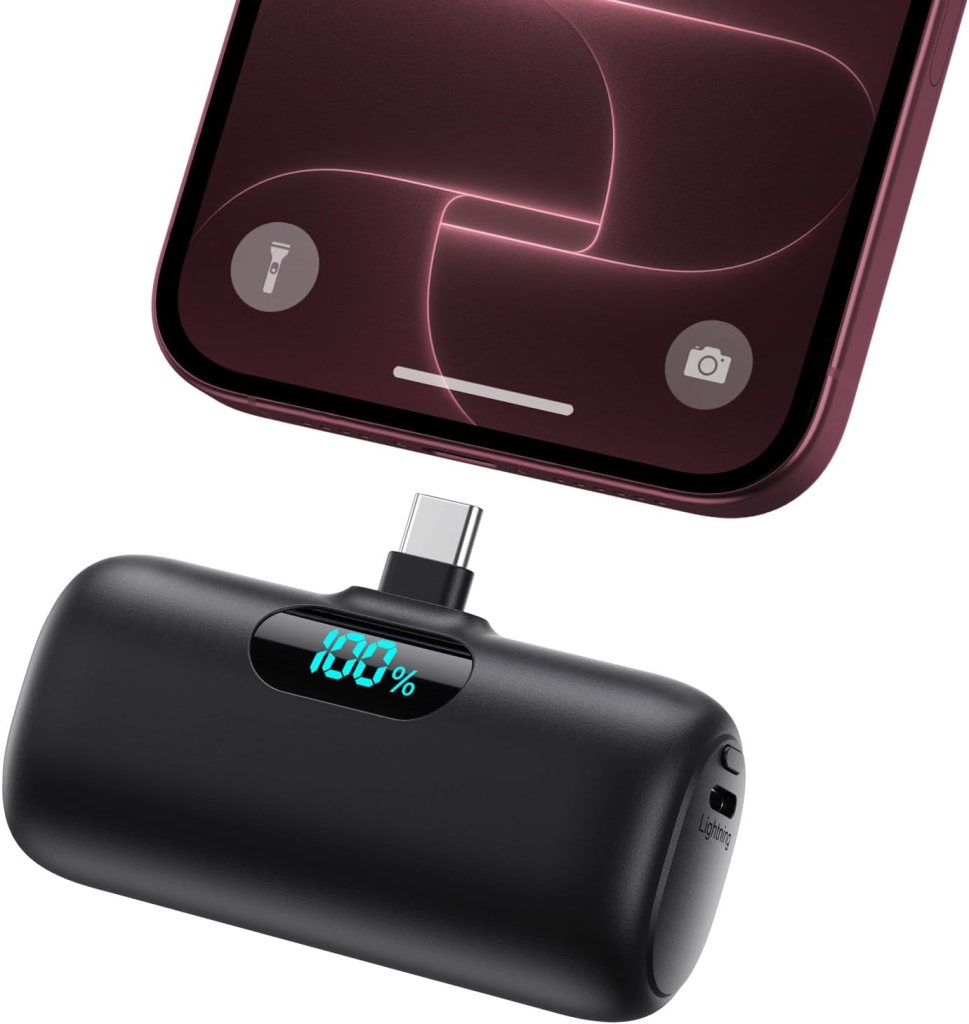
- In-depth visit: 60–90 minutes if you love photography or detail-spotting. A full morning of shooting drains batteries fast, so a portable power bank like this one keeps your phone or camera going.
Bahia Palace Practical Info
- Opening hours: Daily 9:00 AM – 5:00 PM
- Tickets: 70 MAD (~\$7 USD), cash only
- Best time to visit: 9:00 AM sharp, before the tour buses arrive
- Location: Near the Mellah (Jewish Quarter), about a 10-minute walk from Jemaa el-Fnaa
Since the walk over from Jemaa el-Fnaa is under the Marrakech sun, a pair of UV-protective sunglasses like these makes the stroll a lot easier.
Pro Tip: Hire a guide (150–200 MAD) to bring the palace’s history to life—you’ll appreciate the architecture even more. Many travelers use quality hybrid active noise cancelling headphones like these that help them clearly hear their tour guide.
Our Verdict: Is Bahia Palace Worth It?
Yes—if you love architecture, photography, or Moroccan design. The Marrakech Bahia Palace is absolutely worth visiting, but you should manage your expectations. Don’t expect lavishly furnished rooms or a quiet, hidden gem—it’s a busy attraction, and the beauty lies in its craftsmanship, not its contents.
If you’re short on time, pair Bahia with the nearby El Badi Palace and Mellah district for a deeper dive into Marrakech history. To weave it all together on foot, you can join a guided medina walking tour.
Marrakech Bahia Palace
The Bahia Palace is one of Marrakech’s most iconic sights for a reason. Despite the crowds and empty interiors, its courtyards, gardens, and artistry make it a highlight of the city. Go early, take your time, and you’ll see why it continues to captivate travelers year after year.












Share your thoughts with us! Leave a Comment!