

We made some rookie errors with Morocco currency during our trip—like exchanging too much at the airport and realizing too late that our U.S. cards didn’t always work. If you’re heading to Morocco, understanding how money works here is key. This guide breaks down what to know about dirhams, exchanging cash, using cards, and avoiding the top mistakes travelers make.
Get To Know The Traveling Taylors!
What Is the Currency in Morocco?
Morocco’s official currency is the Moroccan dirham (MAD). You’ll often see it listed as “DH” on signs or menus. It’s a closed currency, meaning you can’t legally bring it in or out of the country—and you won’t find it at your home bank. Because you’ll be handling a lot of unfamiliar bills and cards, a slim RFID-blocking wallet like this one makes it easier to keep everything organized and protected.
💵 Conversion Tip:
As of 2026, 1 USD = ~10 MAD, but rates fluctuate. Always check a live converter before exchanging.
Mistake #1: Exchanging Too Much at the Airport
Airport exchange counters are known for terrible rates. They prey on new arrivals who feel rushed and unprepared.
🧠 Smart Move:
Exchange just enough for your taxi or first meal, then head to a bank or use a local ATM for better rates.
📍 Pro Tip: The best exchange rates are usually found in city centers or near large markets—not in tourist zones.
Mistake #2: Not Having Enough Cash for Daily Expenses
Morocco is a mostly cash-based country, especially outside big cities. Many riads, souks, taxis, and restaurants don’t accept cards—even if they say they do. Since you’ll be carrying dirhams everywhere you go, keeping them out of sight in a hidden RFID-blocking money belt like this one is a smart move in crowded souks.
💡 What to Do:
- Always carry small bills and coins
- Break large notes at restaurants or convenience stores
- Keep at least 300–500 MAD on you per day for meals, taxis, tips, and shopping
Mistake #3: Using ATMs Without Checking the Fees
ATMs are your best bet for getting dirhams—but not all are equal. Some charge high foreign transaction fees or poor exchange rates.
✔️ Best ATM Practices:
- Use bank-owned ATMs (like BMCE, Banque Populaire, or Attijariwafa)
- Avoid generic, free-standing machines
- Withdraw larger amounts to reduce per-transaction fees
🔐 Security Tip: Only use ATMs during the day and inside bank branches when possible. Once you’ve pulled out cash, keeping it zipped into a compact crossbody fanny pack like this one is an easy way to stay hands-free and secure.
Mistake #4: Assuming Credit Cards Work Everywhere
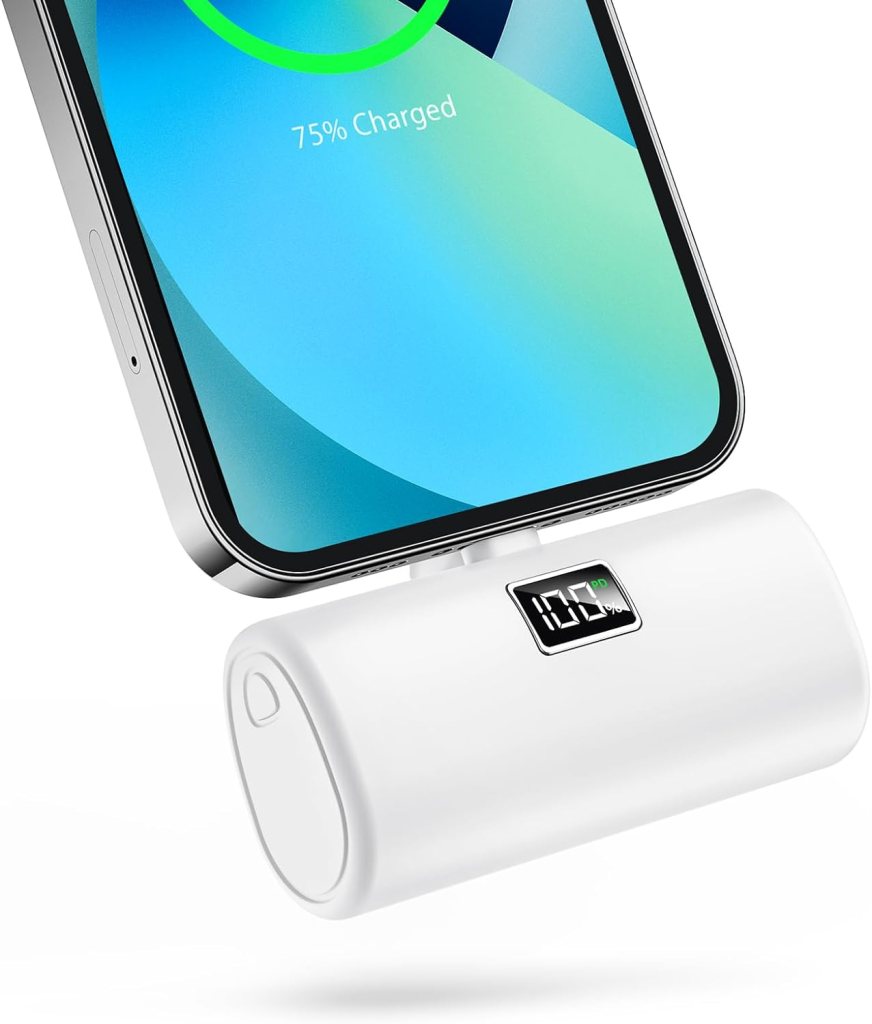
Even in Marrakech or Casablanca, don’t count on paying by card. Some places claim to accept Visa/MasterCard but then say the “machine is broken.” Keeping your key cards close in a magnetic phone wallet like this one means the cards you actually use are always within reach.
💳 When Cards Are Most Accepted:
- Chain hotels and upscale restaurants
- Major tourist sites
- Train stations and airports
🧾 Insider Tip: If paying by card, ask if there’s a surcharge—some places quietly add 3–5%.
Mistake #5: Not Understanding the Value of a Dirham
It’s easy to overpay when you’re not used to converting quickly. Market vendors especially love to quote prices in “Euros” or vague terms if they think you’re confused.
🧮 Quick Math Hack:
Just move the decimal!
- 100 MAD ≈ \$10 USD
- 50 MAD ≈ \$5 USD
It’ll save you from spending \$20 on something worth \$5.
Mistake #6: Forgetting to Spend Your Dirhams Before Leaving
Because the Moroccan dirham is a closed currency, you won’t be able to use or exchange it easily once you leave the country.
🎯 What to Do Before You Fly Out:
- Spend your last dirhams on snacks or souvenirs
- Pay for airport taxis in cash – For travelers who want quick access to cash, a compact wristlet wallet like this one is perfect for carrying cash for the taxis.
- Convert leftover MAD back at the airport (yes, here it makes sense)
Morocco Currency Tips to Travel Smart
Don’t let Morocco’s cash culture catch you off guard. With a little preparation, you’ll avoid the common traps that cost travelers time and money. Stick to local ATMs, carry small bills, and always know what your dirhams are worth. Trust us—your wallet will thank you.










Share your thoughts with us! Leave a Comment!