
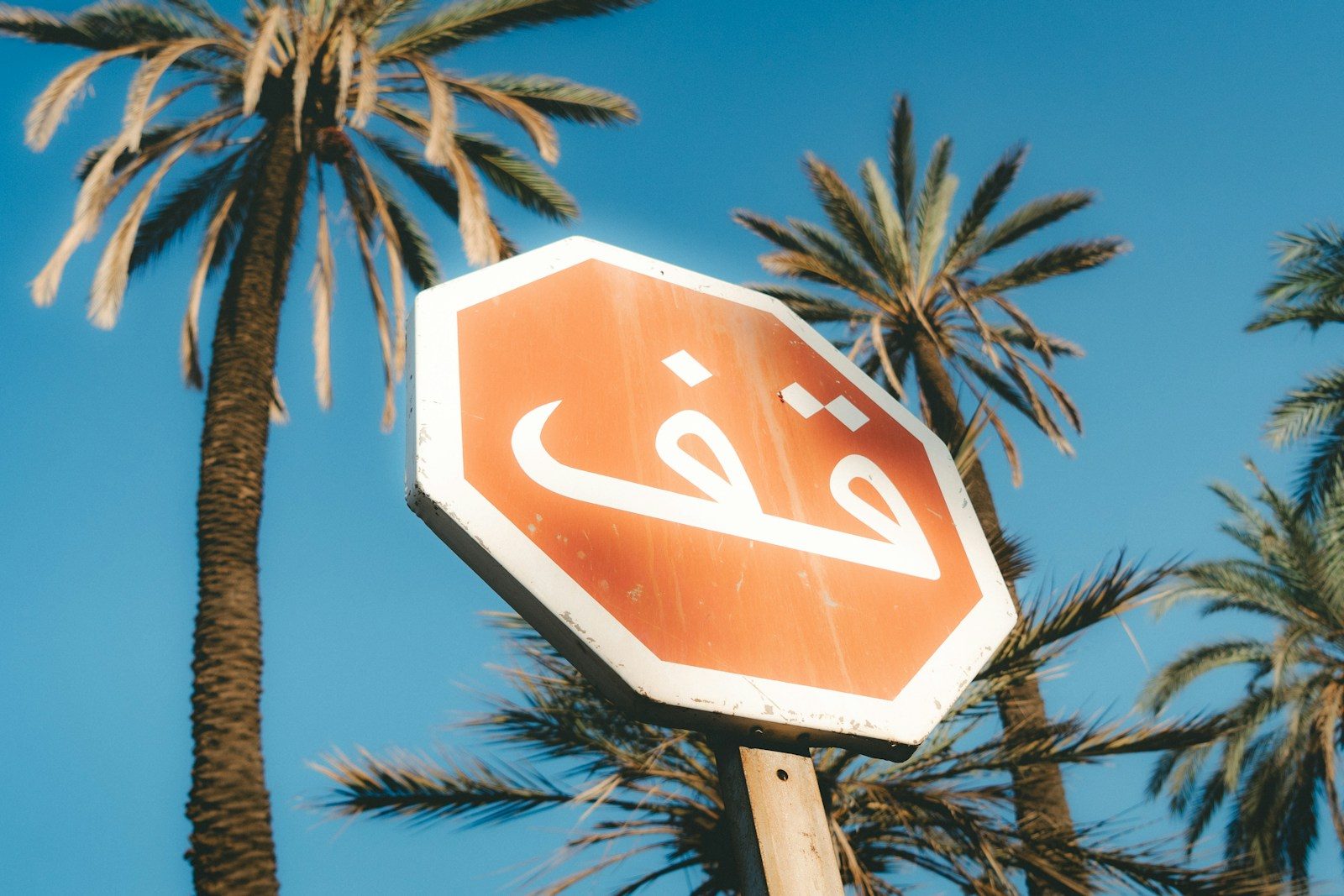
Before our first trip, we assumed Morocco language meant “Arabic only.” But once we landed, we quickly realized Morocco’s linguistic landscape is far richer. Street signs mixed French with Arabic, our host family spoke Amazigh at home, and shopkeepers in Chefchaouen switched to Spanish with ease. Here are 7 surprising facts about Morocco’s languages that might just change how you see the country.
Get To Know The Traveling Taylors!
1. Morocco Has Two Official Languages
Most travelers think Morocco is just Arabic-speaking, but the constitution recognizes Arabic and Amazigh (Berber) as official languages. Amazigh only gained this status in 2011, reflecting the country’s indigenous heritage. With so many scripts and signs to decode on the go, a secure phone holder like this one keeps your translation app handy while you navigate the streets.
2. The Everyday Language Is Darija, Not “Formal” Arabic
In daily life, Moroccans speak Darija, a fast-paced dialect that mixes Arabic with French, Spanish, and Amazigh words. It’s so distinct that Arabic speakers from other countries often can’t understand it without effort. Because you’ll lean on translation apps to keep up with Darija, a portable power bank like this makes sure your phone never dies mid-conversation.
3. French Is Everywhere
Thanks to Morocco’s colonial history, French is still widely spoken in schools, business, and government. You’ll see menus, road signs, and even medical instructions in French. For many Moroccans, French is as natural as Darija. Travelers who love collecting the bilingual signage and shop fronts often pack a lightweight mirrorless camera like this to capture those multilingual details.
4. Spanish Is Common in the North
In northern cities like Tangier, Tetouan, and Chefchaouen, you’ll hear plenty of Spanish. Morocco once had Spanish protectorates, and with Spain just across the Strait of Gibraltar, the influence remains strong today.
5. English Is Growing Fast
While not as common as French, English is gaining ground—especially among younger generations and in tourist hubs like Marrakech, Agadir, and Casablanca. Many students now prefer learning English as a global language of opportunity.
6. Multilingualism Is the Norm
It’s not unusual for Moroccans to speak three or four languages fluently. A single conversation might shift between Darija at home, French at work, Amazigh in rural areas, and English or Spanish with travelers. As you hop between cities where you can hear these languages firsthand, a lightweight travel backpack like this keeps your essentials organized on long taxi or bus rides.
7. Language Ties Directly to Identity
For Moroccans, language is about more than communication—it’s about heritage. Speaking Amazigh preserves indigenous culture, French links to modern education, and Arabic connects to religion and tradition. This layered identity is what makes Morocco’s language scene so fascinating.
Morocco Language Is a Window Into Its Culture
The Morocco language landscape is as colorful as the country itself. From Darija’s unique rhythm to the revival of Amazigh and the rise of English, Morocco’s languages tell the story of its history and people. As a traveler, learning even a few local words—whether “Shukran” (thank you) or “Merci”—opens doors to richer connections.
Heading to Morocco soon? Don’t miss our guide to Morocco Currency Explained.








Share your thoughts with us! Leave a Comment!