Morocco Rental Cars: What No One Warns You About

Morocco rental cars come with hidden risks—learn what no one tells you about driving, insurance, and unexpected costs before you book.

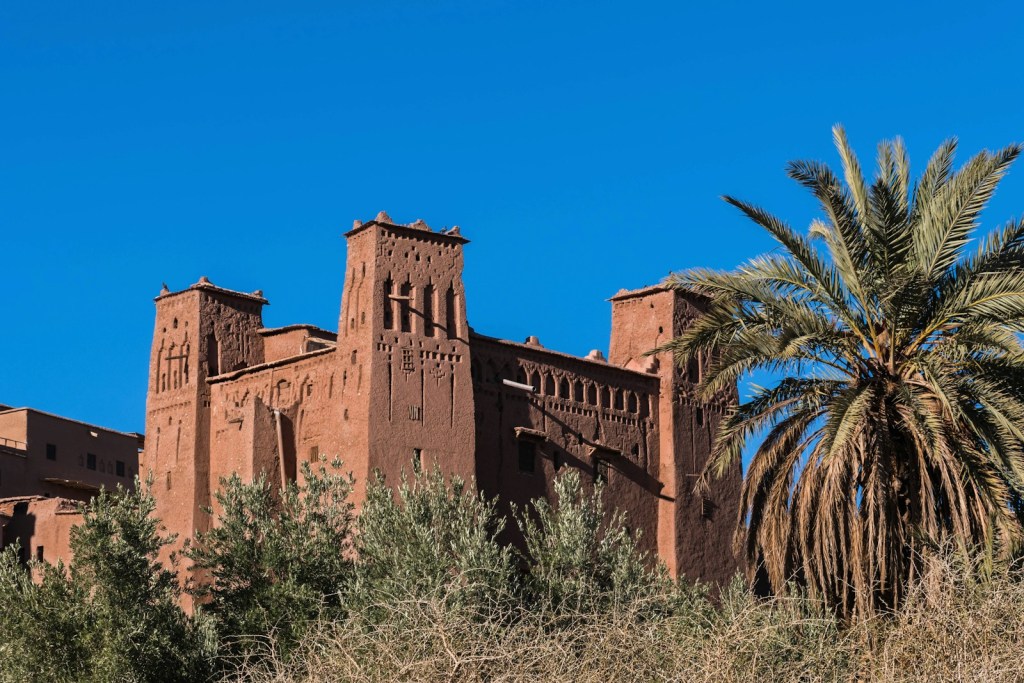
a tall building with a palm tree in front of it

Morocco

Morocco In A Nutshell

Morocco, North Africa’s kingdom of contrasts, packs imperial cities (Fez, Meknes, and Marrakech), the blue-washed lanes of Chefchaouen, Atlantic ports like Casablanca and Tangier, the High Atlas mountains, and the Sahara’s Erg Chebbi dunes into one unforgettable country. Our 12-day, roughly 1,300-mile road trip wound through ancient medinas, kasbahs, and souks — and ended with a night glamping under the stars with the Berbers.

The Moroccan Canvas

Morocco is renowned for its diverse landscapes and cultural heritage: think the labyrinthine medinas of Fez and Marrakech, the blue-washed alleys of Chefchaouen, and the golden dunes of Erg Chebbi rising from the Sahara. Whether you’re sipping mint tea on a riad rooftop or crossing the High Atlas toward a desert camp, Morocco’s spirit is as rich as its spice-stacked souks.

The Moroccan Currency

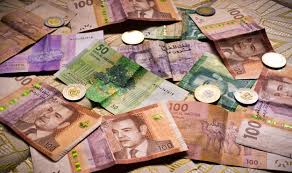
Moroccan Dirham banknotes and coins

The official currency of Morocco is the Moroccan Dirham (MAD), a closed currency that must be exchanged inside the country, at roughly 10–11 dirhams to the US dollar. While cards are accepted in hotels and larger venues, cash rules the souks, taxis, and rural stops.

ATMs are common in cities and towns across Morocco — always withdraw in dirhams and decline dynamic currency conversion when prompted. Because the dirham is a closed currency, exchange what you need after arrival and spend or re-exchange leftover notes before departure. Keep small bills handy for tips, taxis, and market stalls.

Travelers on the Sahara dunes at Erg Chebbi, Morocco

Visa Requirements

Do You Need A Visa?

U.S., U.K., E.U., Canadian, and many other travelers can visit Morocco for up to 90 days without a visa. You’ll need a valid passport (good for at least 6 months beyond your stay) with at least one blank page for your entry stamp.

Entry is straightforward: fill in the arrival form, get your passport stamped, and keep any paperwork until departure. Officers may ask where you’re staying, so keep your riad or hotel confirmations easy to reach.

To stay longer than 90 days, you’ll need to apply through Moroccan immigration before your time expires — and be warned, Morocco is strict on the 90-day rule and extensions are rarely granted. Overstaying can lead to fines and complications on future visits.

Passport Check: Moroccan entry requires a passport valid for at least 6 months with a blank page for the stamp, and travelers have been turned away without one. Double-check your passport before departure and renew early if you’re running low on pages or validity.

Quick entry checklist for Morocco:

Passport (valid at least 6 months, with a blank page)

Visa-free up to 90 days (for U.S., U.K., E.U., Canadian, and many other travelers)

Entry rules can change, so confirm requirements with the relevant consulates or official government sites before departure. When in doubt, consult a travel professional — border formalities are far easier when your paperwork is in order.

When we visited Morocco, renting a car seemed like the easiest way to explore. Morocco rental cars promised freedom, flexibility, and the ability to travel at our own pace. But once we got there, we quickly realized that Morocco rental cars come with challenges that most guides don’t mention.

Get To Know The Traveling Taylors!

This post breaks down the reality of Morocco rental cars so you can avoid costly mistakes and travel with confidence. Before you hit the road, a hands-free phone mount like this one is one of the simplest upgrades for keeping your eyes on the road while your GPS does the work.

Morocco Rental Cars: Driving Isn’t What You Expect

One of the biggest surprises with Morocco rental cars is how different the driving experience can feel. Traffic in major cities like Marrakech and Casablanca is often fast-moving and unpredictable.

Road rules exist, but they are not always followed in the way many travelers are used to. Lane discipline can be loose, and navigating busy intersections may feel overwhelming at first.

Outside the cities, Morocco rental cars are easier to manage. Roads are generally well-maintained, but long distances and changing landscapes require focus and patience. For solo travelers and couples driving through Morocco, a smart face-tracking phone tripod like this one can automatically follow your movements, making it easy to capture smooth, hands-free videos and memorable travel moments without needing someone else behind the camera.

Morocco Rental Cars: Hidden Costs Add Up Fast

Morocco rental cars may appear affordable when you first search online, but the base price rarely reflects the full cost. Additional expenses such as insurance, fuel, deposits, and optional extras can significantly increase your total. Because you’ll be paying deposits and fuel across multiple stops, a slim RFID-blocking wallet like this one keeps your cards and cash tidy and secure.

Insurance is one of the most important considerations. Basic coverage is often included, but it may not fully protect you in case of damage. Many travelers choose to upgrade, which adds to the overall cost of Morocco rental cars.

Understanding these hidden costs in advance helps you budget more accurately and avoid surprises.

Morocco Rental Cars: Navigation Challenges

Using Morocco rental cars means taking full responsibility for navigation. While GPS and mobile apps are helpful, they are not always perfect, especially in rural or mountainous areas. Since your maps rely on a charged phone, keeping a fast-charging portable power bank like this one within reach means you’re never stranded with a dead battery.

Road signs may be limited or in different languages, which can make navigation more complex. In cities, narrow streets and medinas are often not accessible by car at all.

Planning routes carefully is essential when relying on Morocco rental cars, particularly for longer journeys.

Morocco Rental Cars: Parking Isn’t Always Simple

Parking is another factor that many travelers overlook when considering Morocco rental cars. In busy cities, finding a secure parking space can be difficult.

In some areas, informal parking attendants may approach you and expect payment to watch your vehicle. While this is common, it can be unfamiliar for first-time visitors. If you worry about leaving a car unattended, some travelers slip an Apple AirTag like this one into the vehicle so they can locate it quickly later.

Accommodation may not always include parking, so it’s important to check in advance when booking if you plan to use Morocco rental cars.

Morocco Rental Cars: Police Checks and Documents

While using Morocco rental cars, you may encounter police checkpoints on highways and between cities. These are a normal part of travel and are generally straightforward.

You will typically need to show your driver’s license, passport, and rental documents. Keeping these accessible at all times is important. A slim travel running belt like this one is a handy way to keep your license and passport within easy reach at checkpoints.

These checks are routine and not something to worry about, but being prepared makes the experience smoother.

Morocco Rental Cars: When It’s Worth It

Despite the challenges, Morocco rental cars can still be a great option in the right situations. They are particularly useful for exploring areas where public transport is limited or for creating a flexible itinerary.

Travelers who are comfortable driving in new environments often find Morocco rental cars rewarding. They allow you to reach destinations at your own pace and explore beyond typical routes. If you enjoy filming your travel experiences, a tiny wearable camera like this one is a great way to capture hands-free POV footage while driving throughout Morocco.

The key is understanding both the benefits and the responsibilities involved.

Morocco Rental Cars: What to Know Before You Book

Before booking Morocco rental cars, it’s important to consider your comfort level with driving, your planned route, and your overall travel style.

Think about whether you are prepared for long drives, navigation challenges, and varying road conditions. Also consider whether the flexibility of Morocco rental cars outweighs the convenience of alternative options like guided tours. For multi-stop road trips, packing your gear into compression packing cubes like these keeps the trunk organized as you move between hotels.

Morocco Rental Cars: Are They Right for You?

Morocco rental cars offer a unique way to explore the country, but they are not the right choice for every traveler. Understanding the realities of driving, costs, and logistics is essential before making a decision. With the right preparation, Morocco rental cars can enhance your trip. Without it, they can add unnecessary stress. By knowing what no one warns you about, you can make a more informed choice and enjoy Morocco on your own terms.

If you’re still weighing your options, see our comparison in Morocco Rental Cars vs Tours: Which Is Better? before you decide.
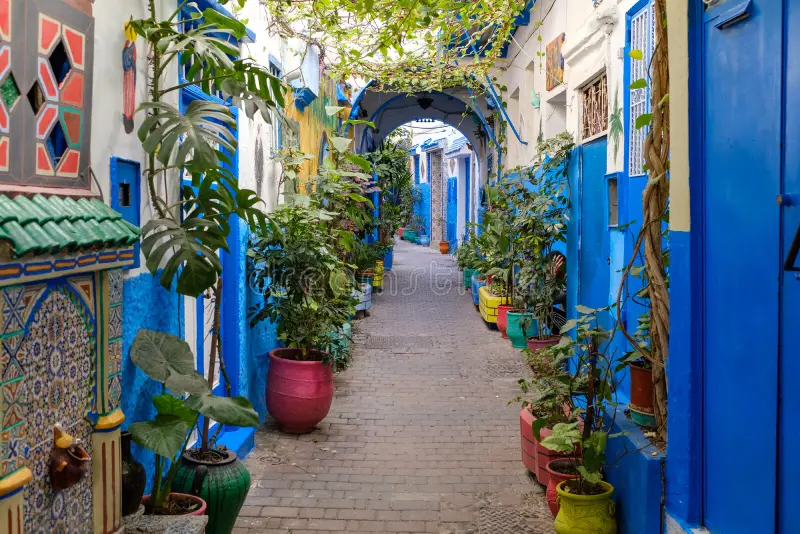
Colorful decorated alleys of the Tangier medina, Morocco

The Moroccan Scoop

When In Morocco

The best time to explore Morocco is spring (March–May) or fall (September–November), when the days are warm and the medinas are comfortable to wander. Summers are scorching inland — Marrakech and the desert bake — while desert nights turn genuinely cold, so pack layers for the dunes.

Entry Essentials

For most travelers, including U.S. citizens, a valid passport with at least 6 months beyond your planned departure date — and a blank page for the entry stamp — is required to enter Morocco. No visa is needed for stays under 90 days, but always double-check your country’s entry requirements before you fly.

Morocco Style Guide

Morocco calls for lightweight, breathable layers that keep you covered: modest dress is appreciated, especially in medinas and rural areas, so pack loose trousers, longer hemlines, and a scarf. Add sturdy shoes for cobbled lanes, a warm layer for cold desert nights — and always ask before photographing people.

The Moroccan Travel Creed

Travel through Morocco with curiosity, courtesy, and cultural appreciation. Stay in a riad at least once, haggle with a smile — it’s expected — and savor tagine, couscous, and endless glasses of mint tea. Embrace the traditions, support local artisans, and let the kingdom’s warmth inspire every moment of your journey.

Budgeting In Morocco

The Moroccan Dirham

The Moroccan Dirham, which uses the code MAD, is the official monetary currency of Morocco, trading at roughly 10–11 dirhams to the US dollar. It’s a closed currency, meaning you exchange money inside Morocco — at the airport, banks, or exchange bureaus — rather than before you leave home. ATM withdrawals on arrival generally offer the best rates; just let your bank know you’re traveling.

Banknotes and Coins

Banknotes: 20, 50, 100, and 200 dirhams

Coins: 10, 20, and 50 santimat; 1, 2, 5, and 10 dirhams

Carrying small denominations is ideal for taxis, tips, and the souks.

Using Dirhams in Morocco

While credit and debit cards are widely accepted in hotels, riads, and larger restaurants across Morocco, cash still rules the souks, taxis, and rural stops — so always carry some dirhams in cash. Vendors rarely take cards in the medina, and small notes make agreed prices easy to settle.

ATMS

ATMs are common in cities and towns, compatible with Visa/Mastercard. Always withdraw in dirhams to avoid dynamic currency conversion, and favor machines attached to banks such as Attijariwafa, BMCE, and Banque Populaire.

ATMs in Morocco generally accept Visa and Mastercard debit and credit cards, so you should be able to use your card abroad without any issues. However, it’s wise to check with your home bank about international transaction fees, and note that rural stretches — especially around the desert — can be thin on machines, so withdraw before you leave the cities.

TIP

When using an ATM in Morocco you’ll often be asked if you want the transaction to be processed in U.S. Dollars or Dirhams. While it may seem convenient to choose USD, it’s better to withdraw in the local currency without conversion. If you choose USD, the ATM applies its own exchange rate through dynamic currency conversion, which usually offers a poor rate and results in higher costs. By declining conversion and choosing dirhams, your own bank sets the rate — almost always the better deal.

Tipping and Bargaining​

Tipping is part of daily life in Morocco — keep small bills for guides, porters, drivers, and café staff, and round up or leave 10% in restaurants. Bargaining is expected in the souks; approach with good humor and a smile!

Budgeting in Dirhams

Morocco rewards every budget, but plan for the big pieces: international flights, riads and hotels (we averaged $100–$200 per night on our trip), and either a private driver or a rental car for the multi-city road trip. A private driver makes the long desert legs effortless — and is worth every dirham.

Beyond transport and lodging, budget for guides and entrance fees in the imperial cities, souk shopping (leave room in your suitcase), and the Sahara desert camp — glamping at Erg Chebbi is a splurge you won’t regret. Meals are great value, from a few dollars of street food to memorable riad dinners.

Morocco Travel Tips

Time Your Trip For Spring Or Fall

Morocco is at its best in spring (March–May) and fall (September–November), when days are warm and evenings pleasant. Summers are scorching inland — Marrakech regularly tops 100°F — while desert nights turn genuinely cold year-round, so pack layers for Erg Chebbi whatever the season.

Stay In A Riad At Least Once 

Riads — traditional homes built around a courtyard, now boutique guesthouses — are one of Morocco’s great pleasures. Tucked inside the medinas of Fez and Marrakech, they trade street noise for fountains, tilework, and rooftop breakfasts. Book at least one night in a riad; it’s the memory that lingers.

Dress Modestly And Ask Before Photographing

Morocco is welcoming and relatively relaxed, but modest dress — covered shoulders and knees — earns respect, especially outside tourist zones. Always ask before photographing people, including market vendors and performers; a polite request (and sometimes a small tip) goes a long way.

Haggle With A Smile

 Bargaining is expected in the souks — it’s part of the culture, not a confrontation. Start well below the asking price, keep it playful, and walk away if the number isn’t right (you’ll often be called back). Once you agree on a price, honor it; that’s the etiquette.

Eat And Drink Like A Local

Savor slow-cooked tagines, Friday couscous, and endless glasses of sweet mint tea — poured high, always. Street food in the medinas is delicious and cheap; follow the local lines. And if the multi-city road trip feels daunting, hire a private driver — it makes the whole route effortless.

Frequently Asked Travel Questions

1. When should I book my flight?

We recommend booking your flight at least 6-8 weeks in advance for domestic trips and 2-3 months ahead for international travel. If you’re planning to travel during peak seasons or holidays, it’s best to book even earlier to lock in better prices and secure your preferred dates.

2. How much cash should I bring?

We usually bring enough cash to cover small expenses like transportation, tips, and meals- usually around $300-500. We rely on our travel credit cards and don’t really withdraw money from ATMs- only if we run out of cash. We typically carry about $100-$200 in local currency depending on the length and place of stay and then exchange some of our cash at a local currency exchange, if necessary.

3. Where should I convert my money—at home or at my destination?

We like to convert a small amount of cash before leaving so we’re covered for any initial costs like local transportation or tips. However, we’ve found that exchanging money at our destination usually gives us a better exchange rate. We also make sure to check our credit cards beforehand about any international fees.

4. Do I need travel insurance?

We recommend getting travel insurance if you’re on the older side, if you have specific health issues that may cause you to need to change your trip, or if you have a schedule that changes often. Travel insurance is just one of those things that’s better to have and not need than the other way around.

5. Is it safe for me to drink the tap water?

That really depends on where your going. In some countries, tap water is perfectly safe to drink, but in others, we stick to bottled or filtered water just to be safe. We always do a little research before we travel, and when we’re unsure, we opt for bottled water to avoid any health issues.

6. What should I pack for my trip?

We like to pack light (though we never do) and focus on the essentials—comfortable clothes, walking shoes, travel-sized toiletries, chargers, and any necessary adapters. We also bring a basic first-aid kit, sunscreen, and paper copies of important documents like our passport and travel insurance details, just in case we can’t find the orginals.

7. How can I stay connected while traveling?

We usually start by checking if our mobile carrier offers international plans. If not, buying a local SIM card or using an eSIM app tends to be a cheaper and more convenient option. We also take advantage of Wi-Fi at hotels, cafés, and airports whenever possible to save on data.

8. What’s the best way for me to get around once I arrive?

That really depends on where we’re going. We like to research local transportation options ahead of time, whether it’s public transit, ride-sharing apps, renting a car, or walking. In some places, taxis or organized tours are the easiest choice, but in others, buses and trains are much more affordable and efficient.

9. How can I keep my valuables safe while traveling?

We try to keep valuables to a minimum when we’re out and about. Important items like passports, extra cash, and important documents usually stay in a hotel safe or a locked suitcase. We also stay aware of our surroundings and avoid flashing valuables in public spaces.

10. What should I do if there’s an emergency while I’m traveling?

Before we leave, we save key contact information like local emergency numbers, our country’s embassy, and our travel insurance hotline. If something happens, we stay calm, reach out to local authorities if needed, and contact our travel insurance provider for any assistance with medical or travel-related emergencies.


Farewell, with a Moroccan Bslama!

As your adventure through Morocco draws to a close, may your heart be full of medina colors, desert stars, and stories to last a lifetime. Bslama! – Until we meet again. Morocco will call you back.


Experience Our Moroccan Travels

Watch our travel vlogs and experience our travels with us!

Discover more from The Traveling Taylors

Subscribe now to keep reading and get access to the full archive.

Continue reading