

When we first considered traveling to Morocco Western Sahara, we weren’t sure what awaited us—political headlines often overshadow its potential as a destination. But once we arrived, we discovered wide-open desert landscapes, windswept beaches, and cities that felt more relaxed than Morocco’s northern hubs. If you’re planning a trip, here’s everything you need to know before heading to Morocco Western Sahara.
Get To Know The Traveling Taylors!
Where Is Morocco Western Sahara?
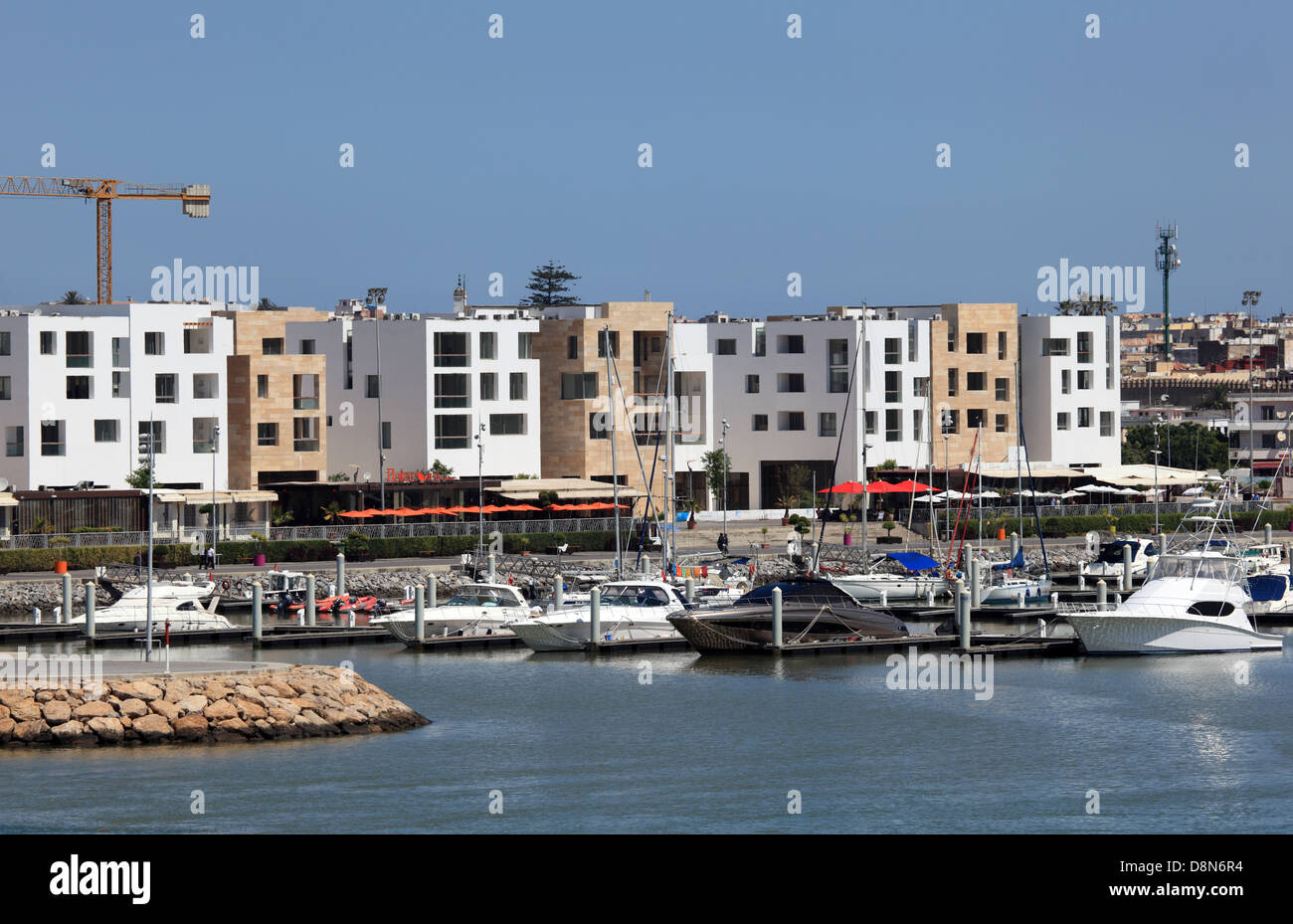
Western Sahara is a vast region in southern Morocco along the Atlantic coast, stretching toward Mauritania. The two main cities for travelers are: With so little shade out here, many travelers reach for a lightweight baseball cap like this one to stay cool while exploring under the desert sun.
- Laayoune: The largest city, with markets, mosques, and a laid-back urban vibe.
- Dakhla: A coastal hub famous for kitesurfing and its scenic lagoon. If the wind calls, you can join a Dakhla kitesurf safari.
Unlike Marrakech or Fes, Morocco Western Sahara is quieter, with fewer tourists—perfect for travelers seeking an off-the-beaten-path adventure. On remote stretches like these you can be far from an outlet for hours, so a dependable portable power bank like this one is well worth stashing in your daypack.
How to Get There
- By Air: The easiest way is flying from Casablanca, Marrakech, or Agadir to Laayoune or Dakhla (around 2 hours).
- By Road: Buses and shared taxis run south, but distances are long—over 12 hours from Marrakech to Laayoune.
- By Tour: Some adventure tours combine the Atlas Mountains, Sahara, and Western Sahara in one itinerary.
Top Things to See and Do
- Dakhla Lagoon: World-class for kitesurfing, but also stunning for sunsets, birdwatching, and coastal walks. To see it from the water, you can take a sailing adventure on the Dakhla Lagoon.
- Laayoune Medina: A quieter, smaller version of Morocco’s northern medinas, great for a local experience.
- Desert Excursions: Multi-day trips into the dunes with 4x4s, camel rides, or sandboarding. To head out to the dunes and nomad camps, you can book a full-day tour to the White Dune and Imlili.
- Atlantic Beaches: Remote and wild—ideal for those who love untouched coastlines.
- Cultural Encounters: Meet Amazigh and Sahrawi communities to learn about traditions, crafts, and desert life.
Is It Safe to Travel to Morocco Western Sahara?
Yes, it’s generally safe. Morocco controls the region, and tourism is slowly growing. Because you will often be carrying cash between towns, it helps to keep your valuables out of sight in a discreet hidden money belt like this one. Still, keep in mind:
- Cities are calm and welcoming.
- Hire guides for desert trips—distances are vast and conditions harsh.
- Avoid political discussions—it’s a sensitive topic for locals.
When to Visit
- Best Months: October to April (cooler temperatures, comfortable for desert and city exploration).
- Summer: Extremely hot inland, but cooler along Dakhla’s coast thanks to Atlantic breezes.
What Travelers Should Know
- Fewer Tourists: Expect simpler infrastructure—fewer hotels and restaurants than in Marrakech or Fes.
- Cash is Key: ATMs exist in Laayoune and Dakhla, but smaller towns are cash-only.
- Cultural Respect: Modest dress is appreciated, especially in rural areas.
Morocco Western Sahara Travel
Traveling to Morocco Western Sahara feels like stepping into a quieter, wilder Morocco. With its windswept beaches, endless desert, and warm hospitality, it’s a region for those who want to go beyond the usual tourist circuit. If you’re looking for adventure and authenticity, Morocco Western Sahara belongs on your travel list. Under that strong desert sun, protecting your skin matters, so pack a reliable SPF 50 sunscreen spray like this one for long days outdoors. Still deciding if it is right for you? See our honest take in Is Morocco Western Sahara Worth Visiting? The Truth for Travelers.












Share your thoughts with us! Leave a Comment!