

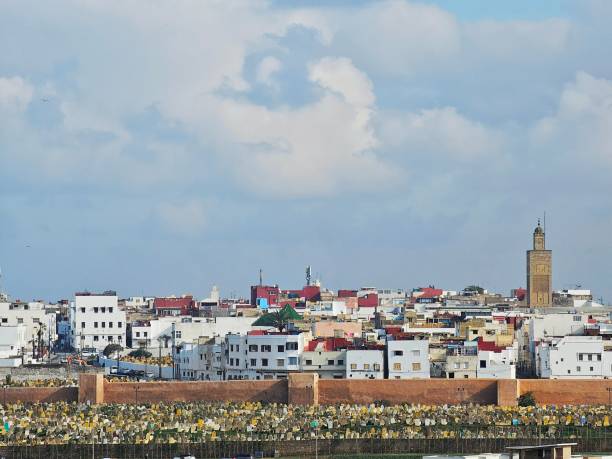
When we stood before the Rabat Grand Mosque, we felt the weight of unfinished history. This mosque, closely tied to the famous Hassan Tower, was once meant to be the largest in the world—but fate had other plans. Today, it remains one of Rabat’s most fascinating landmarks. Here’s everything you need to know before visiting. To see it alongside the old medina and Kasbah of the Udayas, you can join a guided Rabat walking tour.
Get To Know The Traveling Taylors!
A Brief History of the Rabat Grand Mosque
- The mosque was commissioned in the 12th century by Sultan Yacoub al-Mansour of the Almohad dynasty.
- It was intended to be the largest mosque in the world, with the Hassan Tower as its minaret.
- Construction halted in 1199 after the sultan’s death, leaving the mosque incomplete.
- An earthquake in the 18th century further destroyed much of the structure.
What remains today are dozens of stone columns and the imposing Hassan Tower—a hauntingly beautiful reminder of what could have been. Since exploring the grounds means plenty of walking across uneven stone, many visitors lace up a pair of supportive walking sneakers like these before heading out.
The Architecture of the Grand Mosque
Though incomplete, the ruins showcase the Almohad dynasty’s ambition: With so much to photograph among the columns and tower, don’t leave the hotel without a portable power bank like this one to keep your phones charged all day.
- Hassan Tower stands at 44 meters (intended to reach 86 meters).
- The mosque’s layout featured over 200 columns, many still standing today.
- Traditional Moroccan stonework and red sandstone highlight its grandeur.
Why Visit the Rabat Grand Mosque
🕌 Cultural Significance – It symbolizes Morocco’s imperial ambitions and Rabat’s role as a historic capital.
📸 Photography – The rows of columns create striking compositions, especially at sunrise or sunset. Capture breathtaking sunrise and sunset footage with a drone like this featuring ultra-high-definition video for vivid detail and crystal-clear scenery shots.
🌍 UNESCO Heritage – The site is part of Rabat’s UNESCO World Heritage designation.
✨ Peaceful Atmosphere – Less crowded than Marrakech’s mosques, making it ideal for quiet exploration. If you’d rather have the history explained as you go, you can book a half-day Rabat city tour.
Traveler Tips for Visiting
✅ Combine with Mausoleum of Mohammed V – Right next door, the mausoleum is still an active site of royal significance.
✅ Dress Modestly – While non-Muslims cannot enter active mosques, the ruins are open to all. Out of respect, wear modest clothing.
✅ Best Time to Visit – Early morning for fewer crowds, or sunset when the red sandstone glows. To capture memorable photos hands-free at golden hour, some travelers love using a compact selfie stick tripod like this one.
✅ Allow 1–2 Hours – Enough to explore the mosque ruins, Hassan Tower, and mausoleum together. Since much of your visit is out under the open sky, a lot of travelers recommend bringing a pair of UV-protective sunglasses like these for the bright Moroccan sun. To dig deeper into the stories behind these sites, you can take a full-day Rabat history and culture tour.
Nearby Attractions
- Mausoleum of Mohammed V – Resting place of Morocco’s late king and royal family.
- Bouregreg Riverfront – Just a short walk for riverside views.
- Kasbah of the Udayas – Combine history with ocean views.
Rabat Grand Mosque
The Rabat Grand Mosque may not stand complete, but its story and ruins make it one of the city’s most powerful attractions. Together with Hassan Tower, it’s a must-visit for anyone interested in Morocco’s history and culture.
Planning your trip? Pair this with our 12 Must-See Rabat attractions guide and Rabat travel guide for the perfect capital city itinerary.











Share your thoughts with us! Leave a Comment!