
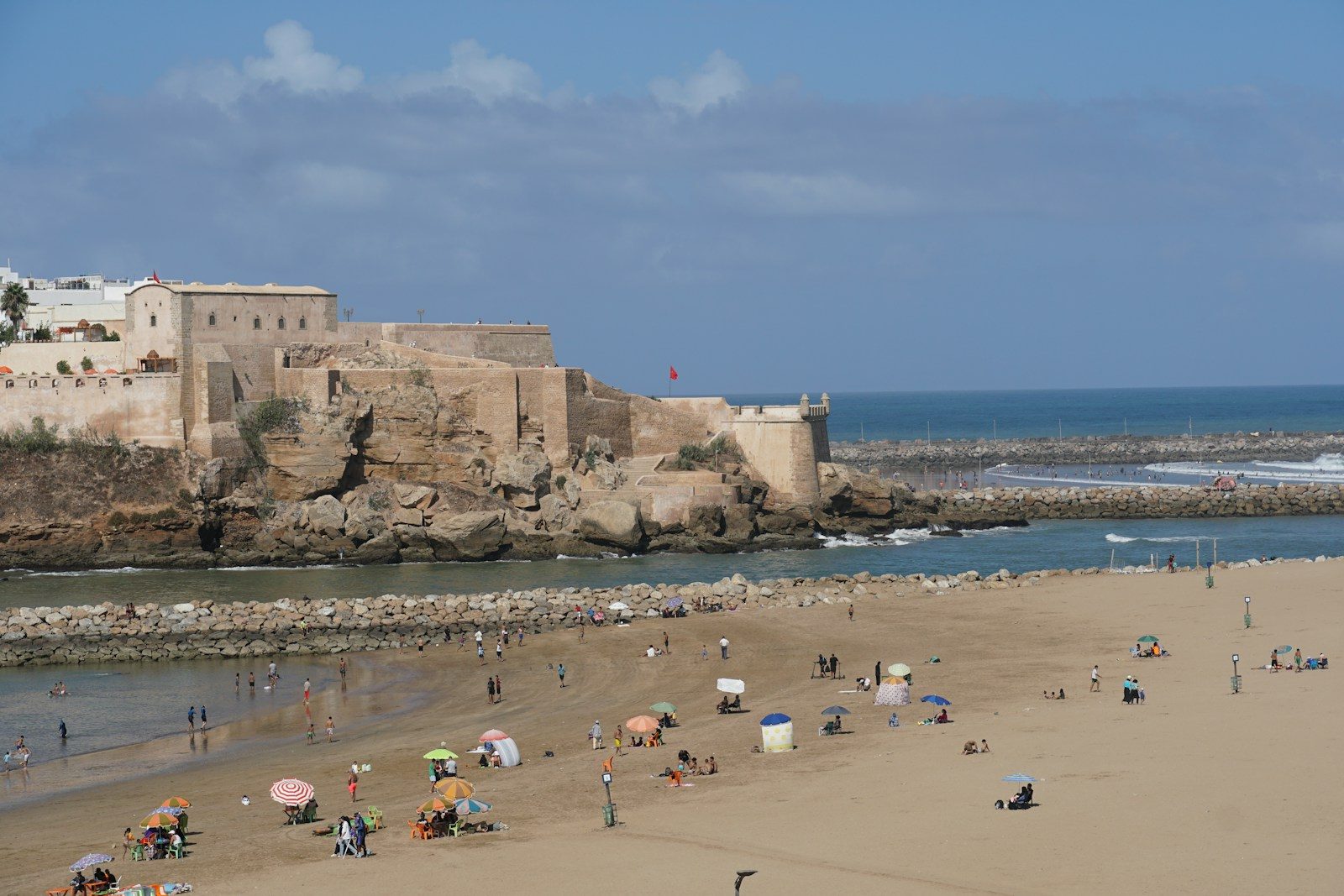
When we visited Rabat, the first thing we noticed was the breeze. Unlike the heat-heavy cities inland, Rabat benefits from its location right on the Atlantic coast. The result? Cooler summers, milder winters, and a year-round climate that feels refreshingly balanced. Here’s your complete Rabat weather guide—so you’ll know exactly when to go, what to pack, and what to expect.
Get To Know The Traveling Taylors!
Spring in Rabat (March–May)
☀️ Weather:
Mild, sunny, and perfect for sightseeing. Daytime highs hover around 70–75°F (21–24°C), evenings dip into the 50s°F (10–14°C). Since spring days in Rabat are made for wandering gardens and cobbled medina lanes, your feet will thank you for a pair of cushioned walking sneakers like these.
🌸 Why Visit in Spring:
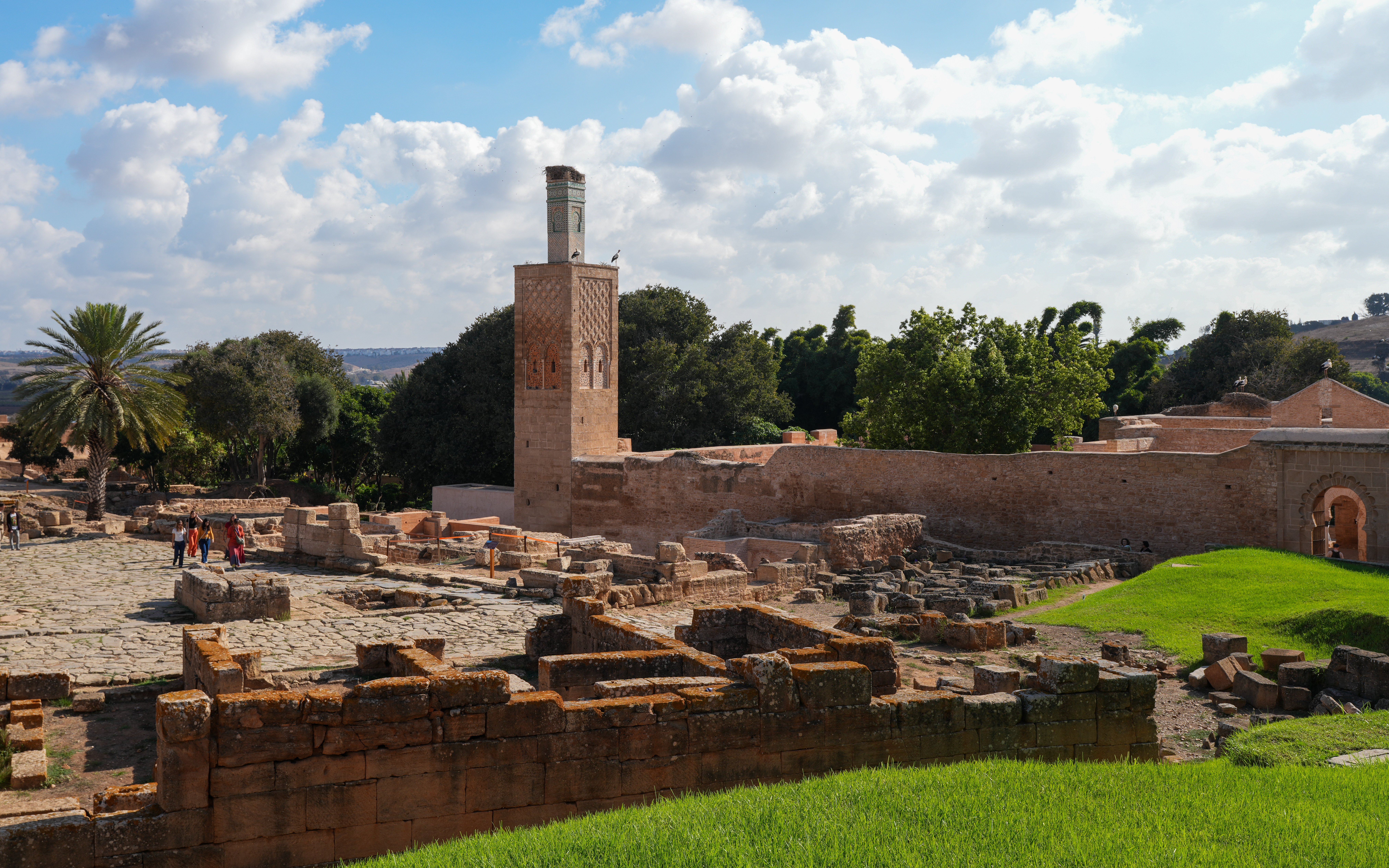
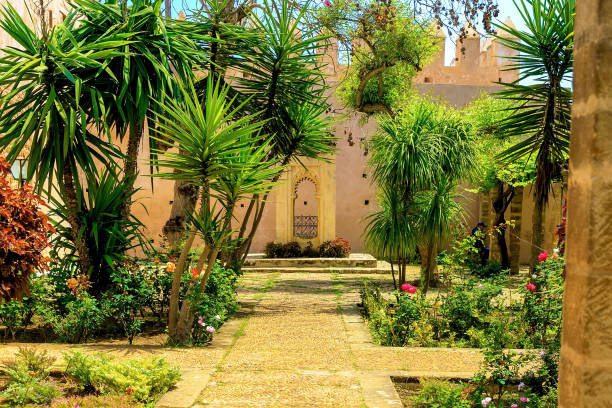
- Blooming gardens at Chellah and the Kasbah
- Outdoor cafés and beach strolls feel dreamy
- Not too hot, not too crowded
👗 What to Pack:
Light layers, a jacket for evenings, and comfortable walking shoes. Many travelers recommend this lightweight women’s jacket featuring waterproof, windproof, breathable, and wrinkle-resistant fabric designed for all-day comfort and durability.
Summer in Rabat (June–August)
☀️ Weather:
Warm but tempered by ocean breezes. Highs average 80–85°F (27–29°C), far cooler than Marrakech or Fes (which can hit 105°F). Nights are mild in the 60s°F (16–20°C).
🌊 Why Visit in Summer:
- Ideal for beach days and evening walks along the Corniche
- Surfing and ocean activities are at their peak
- Less overwhelming than inland Moroccan cities
👒 What to Pack:
Breathable clothing, a sunhat, sunglasses, and sunscreen. Bring a light sweater for cooler evenings by the water. For those bright afternoons along the Corniche, a good pair of UV-protective sunglasses like these keeps the Atlantic glare at bay.
Fall in Rabat (September–November)
🍂 Weather:
Warm early in the season (highs in the 80s°F / 27°C), cooling by November to the upper 60s°F (20°C). Nights get crisper in the 50s°F (10–15°C).
🍁 Why Visit in Fall:
- Pleasant temps for walking the medina and ruins
- Fewer tourists after summer
- Golden sunsets over the Atlantic
🧥 What to Pack:
Layers you can shed during the day, a light jacket for evenings, and closed shoes for cooler nights. With so many golden-hour ruins and sunsets to capture, a portable power bank like this one keeps your phone charged through every photo stop.
Winter in Rabat (December–February)
❄️ Weather:
Mild compared to Europe or North America. Highs average 60–65°F (15–18°C), with cooler nights in the 40s°F (7–9°C). Rain is more common but usually short-lived. Since Rabat’s winter showers tend to pop up without warning, a compact travel umbrella like this one is worth tucking into your bag.
🌧️ Why Visit in Winter:
- Fewer tourists and lower hotel prices
- Cozy cafés in the medina
- Still warm enough for daytime exploring
🧣 What to Pack:
A warm jacket, scarf, umbrella, and waterproof shoes for rainy days. Stay warm and stylish during the winter with ultra-soft, lightweight scarves like these that add the perfect cozy touch to winter travel, outdoor adventures, and everyday outfits while keeping cold air out and comfort in.
Best Time to Visit Rabat
🥇 Spring (March–May): The absolute best mix of weather, light crowds, and blooming gardens.
🥈 Fall (September–October): Warm, golden, and less touristy.
🥉 Summer (June–August): Comfortable compared to Morocco’s hotter cities, though busier at the beach.
🚫 Winter (Dec–Feb): Still nice, but cooler and wetter.
Rabat Weather & Travel Tips
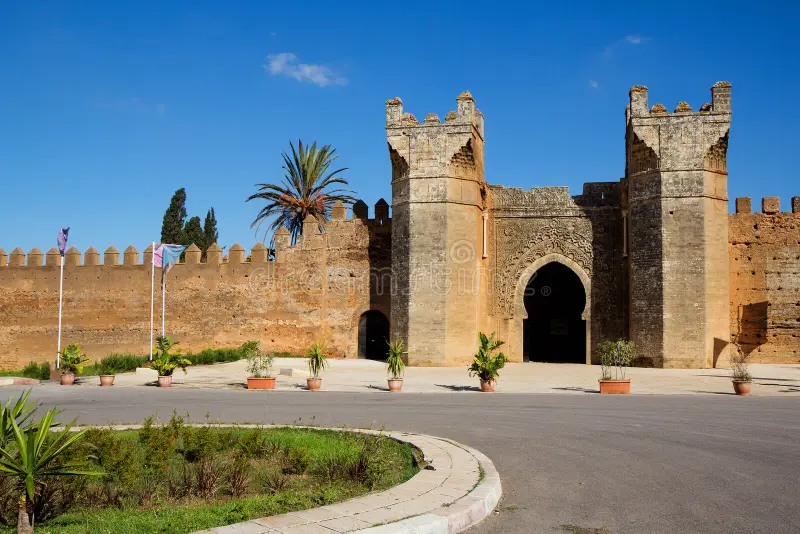
🌤️ Plan outdoor sightseeing (Kasbah, Chellah, Hassan Tower) for mornings and evenings in summer.
🌧️ Have a rainy-day backup (museums, medina cafés) if traveling in winter.
🧳 Always pack layers—the coastal breeze can surprise you.
Rabat Weather
Rabat’s coastal location makes it one of Morocco’s most pleasant year-round cities. Whether you’re strolling the medina, sipping tea in the Kasbah, or watching sunsets by the ocean, Rabat’s weather works in your favor—especially in spring and fall.
Planning your Morocco itinerary? Don’t miss our 10 best things to do in Rabat and our Fes travel guide for the perfect cultural contrast.








Share your thoughts with us! Leave a Comment!