

When traveling across Africa, understanding time zones can make or break your itinerary—especially when safaris, border crossings, and connecting flights are involved. The good news? Botswana keeps things simple. With no daylight saving changes and steady sunlight year-round, managing time in Botswana is refreshingly straightforward. Here’s your traveler’s guide to Botswana time and how to plan around it.
Get To Know The Traveling Taylors!
1. What Is the Time Zone in Botswana?
- Botswana operates on Central Africa Time (CAT), which is UTC +2 hours.
- The country does not observe daylight saving time, meaning the time stays consistent all year round.
Quick Conversions:
- When it’s 12:00 noon in London, it’s 2:00 PM in Botswana (during UK winter).
- When it’s 12:00 noon in New York, it’s 7:00 PM in Botswana.
- When it’s 12:00 noon in Sydney, it’s 4:00 AM in Botswana.
Traveler Insight: Botswana shares its time zone with neighboring countries like South Africa, Namibia, and Zambia—making cross-border trips easy to coordinate. When visiting famous landmarks and scenic viewpoints in Botswana and neighboring countries, many travelers like bringing a compact selfie stick tripod like this one so they can easily capture photos without asking strangers.
2. Daylight Hours in Botswana
Botswana enjoys abundant sunshine all year, with only slight changes in daylight between summer and winter.
| Season | Sunrise | Sunset | Notes |
|---|---|---|---|
| Summer (Nov–Mar) | 5:00–5:30 AM | 6:30–7:00 PM | Long, bright days—ideal for safaris and photography. |
| Winter (May–Aug) | 6:30–7:00 AM | 5:30–6:00 PM | Shorter days but clear skies and cooler weather. |
Pro Tip: Safaris typically start early—around 5:30 AM in summer and 6:30 AM in winter—so set your alarm for dawn adventures! For travelers who want high-quality photos and videos of their early morning safaris, a lightweight mirrorless camera like this one is a popular choice among content creators and travel photographers.
3. How Botswana Time Affects Travel Plans
- Flights & Transfers: Most international flights arrive via Johannesburg, South Africa—also UTC +2—so you won’t need to adjust your watch when connecting.
- Safaris & Game Drives: Scheduled around daylight, not the clock. Expect early morning and late afternoon drives for the best wildlife activity. Many travelers also like carrying a lightweight backpack like this one so they can comfortably store essentials like chargers, water bottles, and jackets for early morning safaris.
- Border Crossings: Since Botswana shares its time zone with neighboring countries, border crossings are easy to plan without time confusion.
Traveler Tip: Always confirm departure times in local time, especially when booking small charter flights or regional tours. And before you arrive, make sure your paperwork is sorted by checking our Botswana eVisa guide.
4. The Pace of Life: “Botswana Time”
Beyond the clock, “Botswana time” also refers to the country’s relaxed pace of life.
- Things move calmly—whether you’re waiting for lunch in Maun or chatting with locals in Gaborone.
- Punctuality matters less than patience and respect.
- Embracing the rhythm of “Botswana time” is part of the travel experience—it’s about slowing down and being present.
Traveler Insight: Locals often joke that “Botswana time” means “when it happens, it happens”—so plan flexibly and enjoy the moment.
5. Best Time of Year to Visit Botswana
While Botswana’s clock never changes, the seasons do affect travel. For a full month-by-month breakdown, see our guide to Botswana weather by season.
- Dry Season (May–Oct): Peak safari season, cooler mornings, and incredible wildlife viewing.
- Wet Season (Nov–Apr): Hotter days, lush landscapes, and excellent birdwatching. Protecting your skin from the sun is essential, and many travelers rely on SPF 50 sunscreen spray like this one for quick and easy coverage.
Both seasons offer their charm—choose your timing based on what kind of safari experience you want.
6. Tech & Connectivity Tips
- Smartphones and digital watches automatically adjust to Botswana time if your settings are on “auto.”
- Wi-Fi and mobile networks use the same UTC +2 standard time.
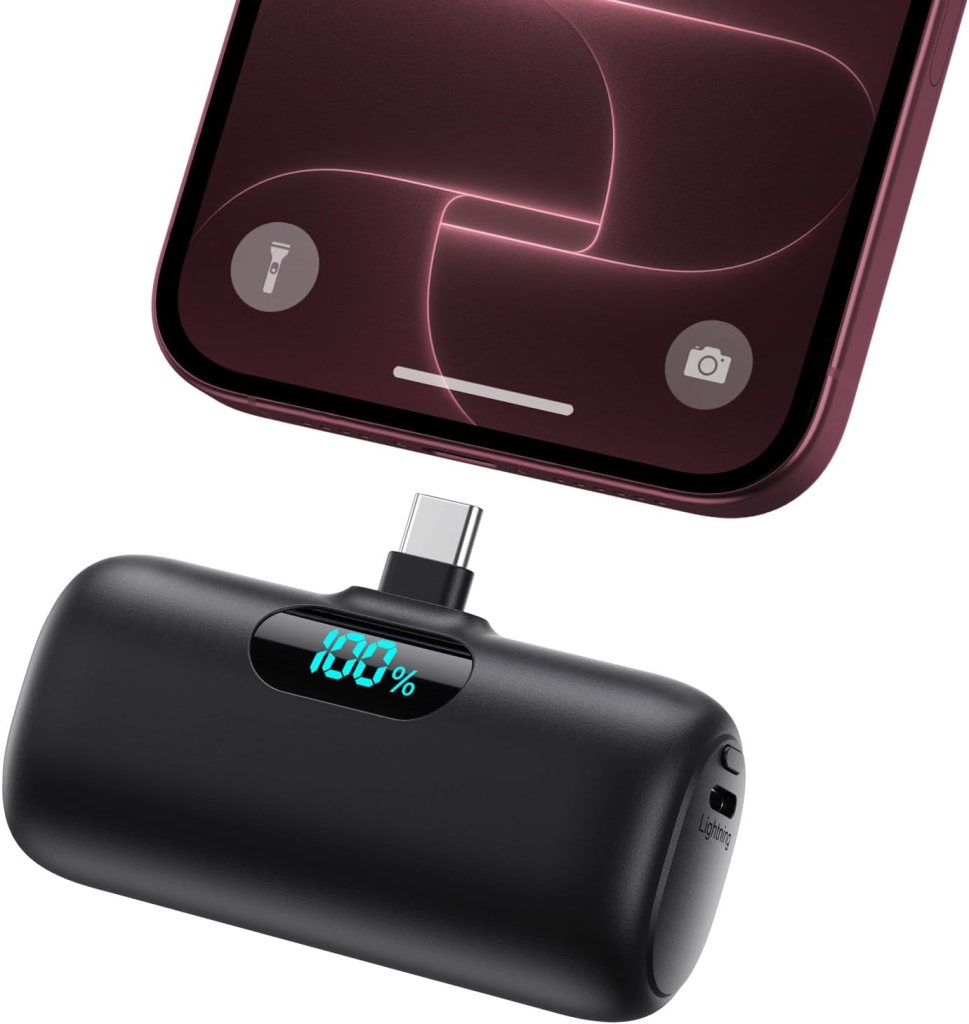
- Power outages are rare in cities but can happen in rural areas—some travelers also carry a mini portable charger like this one in their pocket or bag so they always have backup battery power for maps, photos, and ride apps.
Keeping Time in Botswana
In Botswana, time isn’t just about hours and minutes—it’s about moments. With its steady sunshine, simple time zone, and relaxed rhythm, traveling here feels effortless. Whether you’re chasing sunrise over the Okavango Delta or watching elephants cross the Chobe at sunset, you’ll quickly realize that the best part of Botswana time is how easily it helps you slow down, unwind, and live in the moment. For everything else you need to prepare, explore our full Botswana travel guide.










Share your thoughts with us! Leave a Comment!