
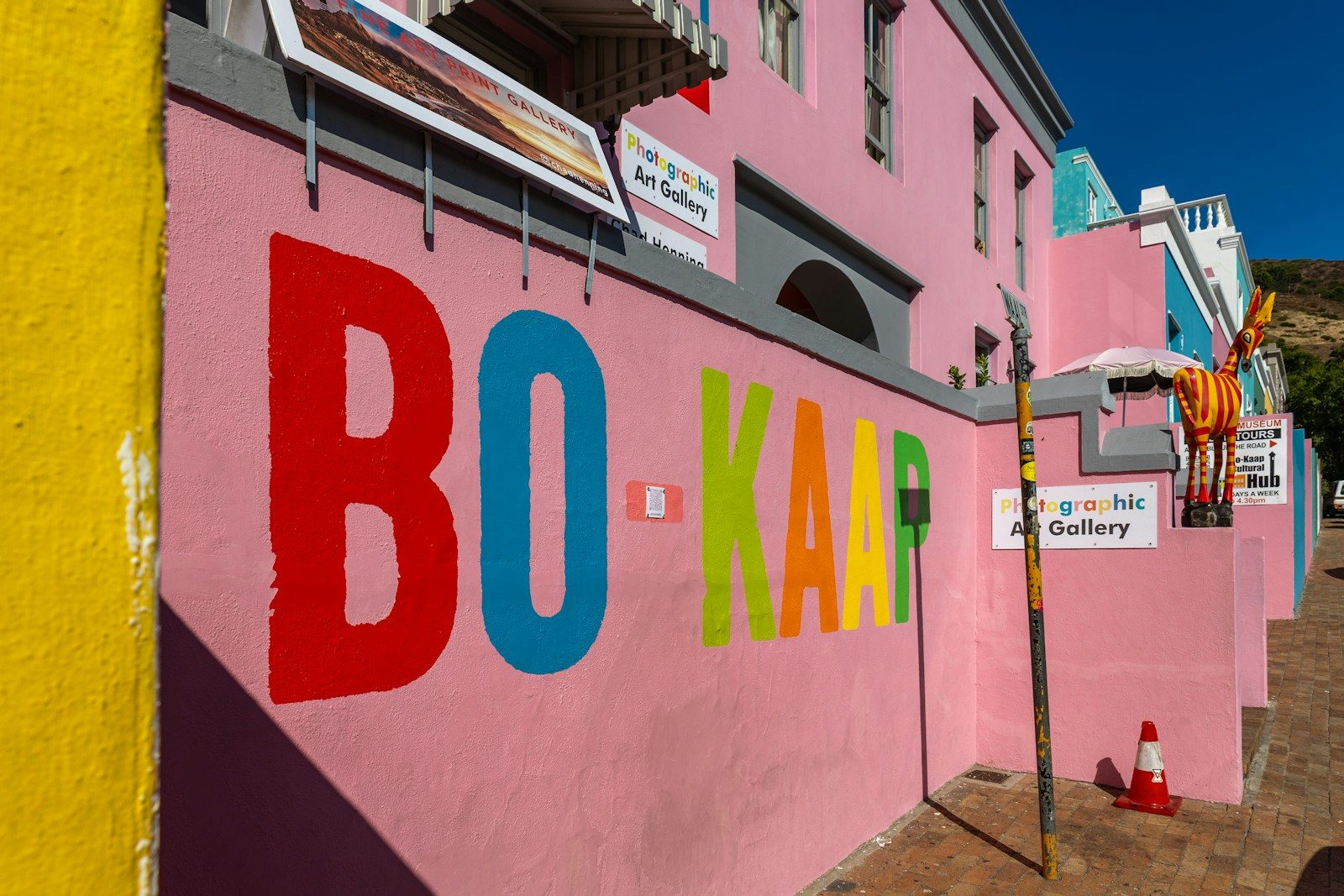
Before we visited, we knew English would get us by — but we were blown away by how diverse South Africa language really is! This country is often called the “Rainbow Nation” for its cultures, but it could just as easily be for its languages too. Here’s your easy guide to the 11 official South African languages — and how to use them on your trip.
Get To Know The Traveling Taylors!
Why Does South Africa Have 11 Official Languages?
South Africa’s 11 official languages reflect its rich mix of cultures and communities. After apartheid ended in 1994, the new democratic government recognized these languages in the Constitution to honor everyone’s identity — a huge shift from the past, when only two languages were official: English and Afrikaans.
The Most Spoken South Africa Languages
✅ Zulu (isiZulu) — About 23% of South Africans speak Zulu as their first language. You’ll hear it mostly in KwaZulu-Natal, and even around Johannesburg.
✅ Xhosa (isiXhosa) — The second most spoken, used by about 16%. It’s big in the Eastern Cape and parts of Western Cape. Nelson Mandela’s mother tongue!
✅ Afrikaans — Developed from Dutch, Afrikaans is spoken by about 13%. It’s common in Western Cape, Northern Cape, and parts of Gauteng.
✅ English — Only about 10% speak English at home — but it’s the main language of government, business, and tourism. So don’t stress — you’ll get by fine!
Other Official South Africa Languages
South Africa’s diversity goes beyond the big four. Here are the other seven official tongues:
✔️ Sepedi (Northern Sotho) — Common in Limpopo.
✔️ Setswana (Tswana) — Spoken mostly in the North West province.
✔️ Sesotho (Southern Sotho) — Strong in Free State and Lesotho (which surrounds part of South Africa).
✔️ Xitsonga (Tsonga) — Used by communities near Kruger National Park.
✔️ siSwati (Swati) — Shared with neighboring Eswatini (Swaziland).
✔️ Tshivenda (Venda) — Found in the far north near Zimbabwe.
✔️ isiNdebele (Ndebele) — Known for its beautiful colorful homes and art — spoken by smaller communities in Mpumalanga and Gauteng.
Where You’ll Hear South Africa Languages
✅ Cities: English dominates in hotels, restaurants, and airports. But locals often switch between languages — don’t be surprised if you hear Zulu and Afrikaans on the same street.
✅ Townships: Zulu, Xhosa, and Sotho are common. Joining a township tour? Guides love when visitors try a local greeting!
✅ Rural areas: Many rural communities mostly use indigenous languages. Even so, basic English is widely understood.
Do You Need to Speak a South Africa Language to Visit?
Not at all! English will take you far — from booking tours to chatting with rangers in Kruger. But learning a greeting or thank you in a local language always earns a smile.
Easy South Africa Language Phrases to Try
Here are a few local phrases you can learn to break the ice:
👋 Sawubona! (Zulu) — “Hello!” (for one person)
👋 Dumelang! (Setswana/Sotho) — “Hello!” (to more than one person)
🙏 Ngiyabonga! (Zulu) — “Thank you!”
❤️ Lekker! (Afrikaans) — “Nice!” or “Cool!”
Fun Fact: South Africa Sign Language
Did you know? South Africa Sign Language is used by over 500,000 people and has recently been recognized as the 12th official language by Parliament — showing how the country keeps expanding its commitment to inclusion.
Tips for Travelers
✅ Try a local greeting — even a simple “Sawubona!” can make a big impression.
✅ Listen for “code-switching” — many South Africans swap between languages mid-sentence.
✅ Street signs and menus often appear in multiple languages — especially Afrikaans and English.
South Africa Language: Celebrate the Rainbow
With 11 official tongues and more spoken every day, the South Africa language scene is a true reflection of this diverse, vibrant country. You don’t need to speak them all — just show curiosity and respect, and locals will happily share a word or two with you.
Related Guides to Deepen Your Trip
✅ South Africa Capital Cities: Why There Are Three!
✅ Hidden History of the South Africa Flag
✅ Is South Africa Safe to Visit in 2025? Here’s the Truth
✨ Want help planning your South Africa adventure? Drop us a comment at www.thetravelingtaylors.world — we love helping travelers go deeper, one hello at a time!








Share your thoughts with us! Leave a Comment!