

St. Lucia maps are a start, but they don’t tell you where the best adventures actually are. In this guide, we’ll share the places and routes that standard maps miss—and how to find them.
Get to know the Traveling Taylors
We’ve explored St. Lucia multiple times, both with guides and on our own. We’ve followed maps, ignored maps, and discovered places that didn’t appear on any map. This guide reflects what actually works for exploring this island.
If you want to explore deeper, you need to use St. Lucia maps differently.
Get To Know The Traveling Taylors!
If you want to explore the island smoothly, this is the only guide to St. Lucia maps you’ll need. When visiting famous landmarks, many travelers like bringing a compact selfie stick tripod like this one so they can easily capture photos without asking strangers.
St. Lucia Maps That Actually Help You Explore
Not all St. Lucia maps are created equal. Tourist maps focus on major attractions and safe routes. They’re useful, but they also sanitize the experience.
The best maps for exploring are those that show topography, hiking trails, and secondary roads. Google Maps is surprisingly good for this, especially if you download it offline. But even better is combining a map with local knowledge.
If you’re near water or on boat excursions, a waterproof phone pouch like this one helps protect your phone while still allowing photos.
Hidden Beaches Missing from St. Lucia Maps
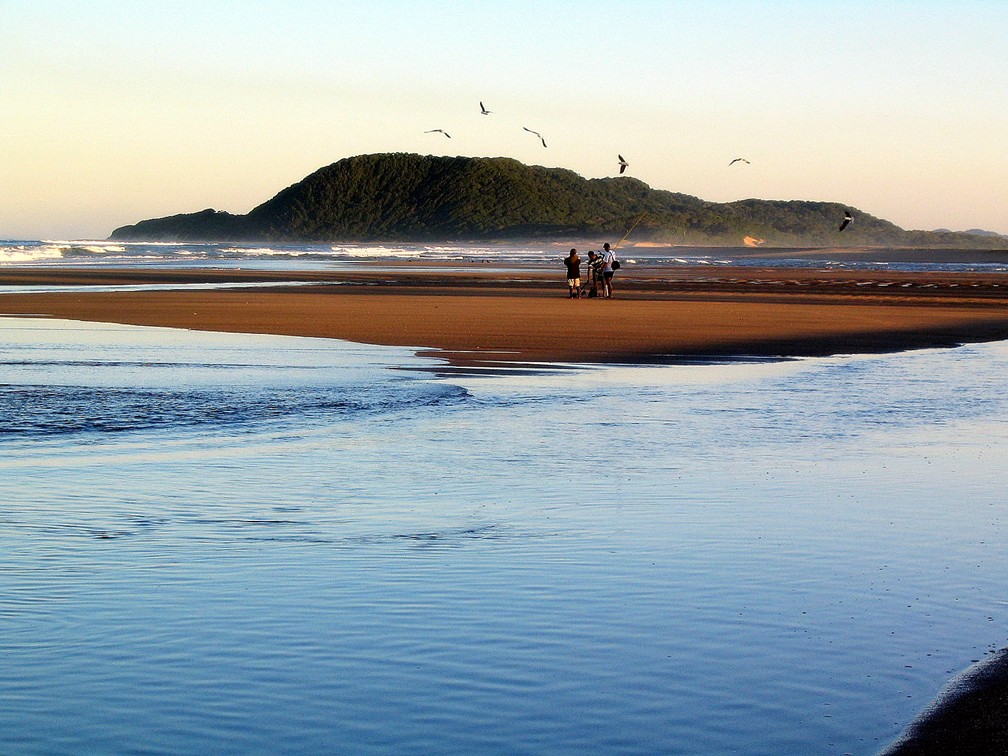
St. Lucia’s famous beaches (Pitons Bay, Reduit Beach) are on every map. But the island has hidden coves and quieter beaches that rarely make it onto tourist maps.
Some of these are on private property (technically off-limits). Others are simply too remote for casual visitors. The best approach is asking locals where they go to swim. You’ll discover places that don’t appear on any map.
If you plan on spending time outdoors in the bush or near water, insect repellent towelettes like these can help keep mosquitoes and bugs away.
Jungle Trails Off the St. Lucia Map
St. Lucia is covered in jungle, and there are countless trails beyond what maps show. Some are maintained hiking routes. Others are barely-trodden paths that locals use.
To explore these safely, hire a local guide. They’ll know which trails are safe, where to watch for hazards, and the best times to go. A map alone won’t help you here.
St. Lucia Best Hikes: Beyond the Maps
The Pitons are the iconic hike, and they’re on every map. But there are other excellent hikes that deserve attention.
Comfortable shoes are essential when exploring on foot, and many travelers recommend supportive walking sneakers like these for full days of sightseeing.
Mt. La Selle Hike
This is a challenging hike that offers spectacular views of the island. It’s not heavily trafficked, which means fewer tourists but also the need for a guide to navigate safely.
Diamond Falls Botanical Gardens
While the gardens are on maps, the trails within them extend beyond what most visitors explore. Hire a guide within the gardens for the full experience.
Gros Piton Hike
This is the most accessible of the two iconic Pitons. It’s on maps, but most tourists don’t realize how doable it is. The views are incredible, and you’ll share the trail with far fewer people than you’d expect.
Avoiding St. Lucia Tourist Traps
Standard tourist maps tend to highlight the most commercialized spots. These are popular for good reason (they’re accessible and have infrastructure), but they can feel overcrowded and inauthentic.
The key is balancing must-see attractions with off-the-beaten-path exploration. Ask locals for recommendations. Hire guides who know hidden spots. Use maps as a reference, not a gospel.
Where to Eat in St. Lucia: Beyond Maps
Tourist maps will point you to resort restaurants. But St. Lucia’s best food is in small local spots that don’t advertise widely.
Ask your accommodation for recommendations. Visit the local market. Stop at food stalls you see locals frequenting. The best dining experiences won’t be on any tourist map.
St. Lucia Navigation Apps and Tools
Cell service in St. Lucia can be unreliable in remote areas. Download offline maps before you go. Google Maps allows offline downloading and works great even without data.
Many travelers prefer using a slim RFID-blocking wallet like this one because it keeps cards and cash secure while taking up very little space.













Share your thoughts with us! Leave a Comment!