

A Switzerland map looks deceptively small until you start trying to plan a trip across it. Between 26 cantons, four language regions, mountain ranges that block direct routes, and a train network that reshapes the country into a series of one-hour hops, knowing how to actually read a Switzerland map is one of the smartest pre-trip skills any traveler can build. This practical guide decodes Switzerland’s geography, regions, transit lines, and route logic so visitors can plan smarter and waste zero time.
Get To Know The Traveling Taylors!
Why Reading a Switzerland Map Matters
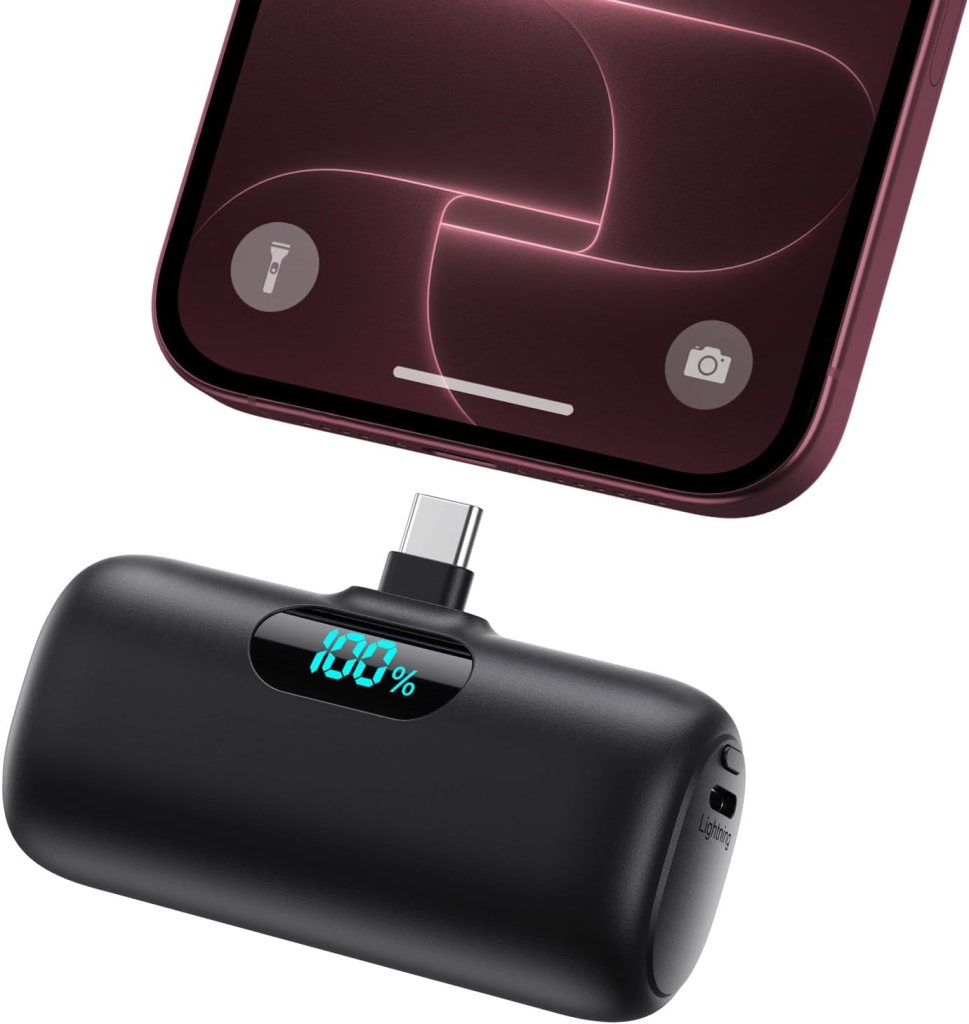
Switzerland is roughly the size of the U.S. state of West Virginia, but its mountainous terrain means a Switzerland map is often misleading at first glance. Two villages might sit 30 km apart on paper but require a 90-minute train ride through valleys and tunnels to reach each other. Understanding the country’s map shape — and where the rail lines actually run — is what separates a smooth trip from a stressful one. Travelers who plan to follow navigation directions while walking or riding around often pack a secure phone holder like this one so they can easily reference any digital Switzerland map on the go.
The Three Switzerland Map Zones
- The Jura — the northwest crescent of low forested mountains.
- The Plateau — the central, flat-ish band where most cities sit.
- The Alps — the southern two-thirds of the country, dominated by mountains.
Switzerland Map: Major Cities & Where They Sit
Once you know where to find each region on a Switzerland map, the country immediately starts to feel logical. The major cities cluster along a curved Plateau line that runs from Geneva in the southwest to St. Gallen in the northeast.
- Geneva — far southwest corner, on Lake Geneva.
- Lausanne — just east of Geneva, also lakeside.
- Bern — central Plateau, the federal capital.
- Lucerne — centrally located between Bern and Zürich.
- Zürich — the largest city, sits in the north-central Plateau.
- Basel — northwest, on the Rhine and bordering France/Germany.
- Lugano — far south, in Italian-speaking Ticino.
- Zermatt — southwest Alps, at the foot of the Matterhorn.
Reading a Switzerland Map for Trip Routes
Smart Switzerland Map Routes
- The Classic Loop — Zürich → Lucerne → Interlaken → Bern → Zürich (5–7 days).
- The Grand Train Tour — Zürich, Lucerne, Zermatt, Montreux, Lausanne, Geneva (8–10 days).
- The Glacier Express Line — St. Moritz → Zermatt across the southern Alps.
- The Ticino Loop — Zürich → Lugano via Gotthard, returning via Bernina.
- The French Switzerland Loop — Geneva → Lausanne → Montreux → Verbier.
If you plan to rent a car for day trips into the more remote alpine valleys, a hands-free phone mount like this one can make it much easier to follow GPS directions safely while driving along narrow mountain roads where every curve matters.
The Best Switzerland Map App Picks
- SBB Mobile — the official Swiss train app; covers every connection on the Switzerland map.
- Swiss Map Mobile — offline topographical maps with hiking trails marked.
- Google Maps — reliable for cities, less so in mountain villages.
- Komoot — favored by hikers and cyclists.
- MeteoSwiss — pair this with any Switzerland map app for real-time weather overlays.
Switzerland Map Mistakes Travelers Make
- Ignoring elevation — a 30 km map distance can mean a 90-minute train climb.
- Trusting Google Maps in alpine valleys — SBB always wins.
- Forgetting cantonal rules — some toll passes only apply within certain regions.
- Skipping ferries — lakes are part of the transit map, not just sightseeing.
- Underestimating border-crossing detours — some “short” routes cross into France or Italy.
Carrying maps, snacks, water, and chargers comfortably during a multi-stop sightseeing day is easier with a lightweight travel backpack like this one that holds everything without slowing you down.
Pro Tips for Using a Switzerland Map
- Always plan in time, not distance — trains beat road maps.
- Color-code your itinerary on a printed Switzerland map by region.
- Download offline maps before any alpine excursion — reception drops fast.
- Know which cantons require Swiss Travel Pass extensions for cable cars.
- Keep the SBB app open during travel days for real-time platform changes.
For travelers planning multi-region routes, compression packing cubes like these help keep luggage organized so you can move smoothly between hubs and unpack at each new stop without losing time.
Understanding the Switzerland Map
A Switzerland map is more than a wall poster: it is the cheat code to a country that rewards smart planning. Once you understand the Plateau spine, the alpine south, and the rail lines weaving them together, the country opens up. Pick your hubs, draw your loops, and let the trains do the rest. For more pre-trip planning, our Switzerland trip planning guide and first-time Switzerland travel guide are the next reads worth bookmarking before you book your route.















Share your thoughts with us! Leave a Comment!