
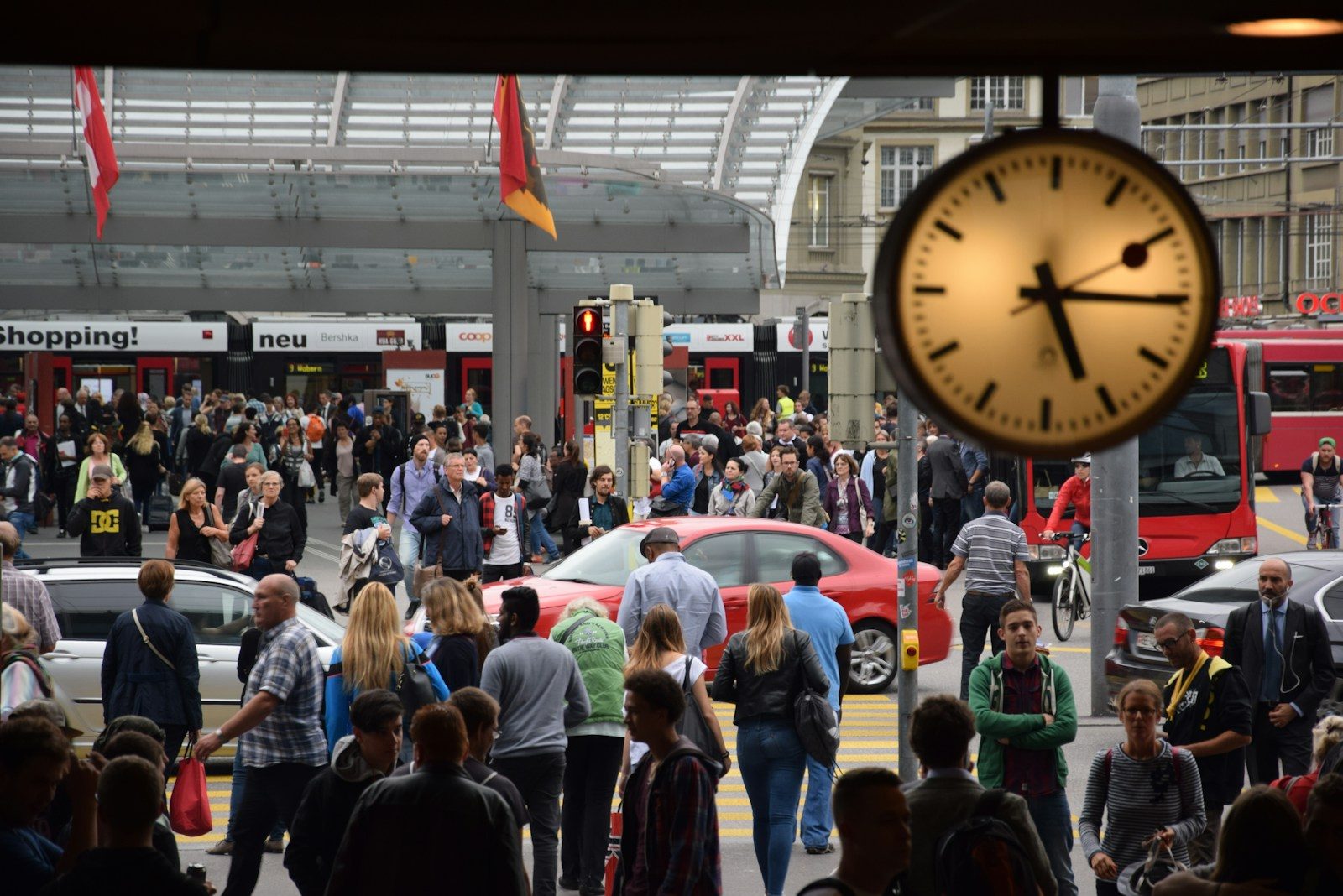
Switzerland population numbers tell a far more interesting story than most people expect. With four official languages, 26 cantons, and one of the highest foreign-born shares in Europe, the country’s 8.9 million people are anything but uniform. This guide breaks down the latest Switzerland population figures, where everyone actually lives, the language splits travelers should know about, and the surprising demographic shifts shaping the country — the kind of context that quietly upgrades any visitor’s trip.
Get To Know The Traveling Taylors!
Switzerland Population at a Glance
Switzerland population sits at roughly 8.9 million as of early 2026, having crossed the 8 million mark in 2012 and adding about 60,000–90,000 residents per year since. Despite that growth, Switzerland remains a small country — just under 41,000 square kilometers — making the population density a comfortable but uneven 218 people per square kilometer. Travelers exploring the country’s many cities and rural valleys often pack a lightweight travel backpack like this one so they can comfortably store essentials like chargers, water bottles, and jackets while moving between dense urban centers and quiet alpine towns.
Switzerland Population Quick Stats
- Total population: ~8.9 million.
- Population density: ~218 people per km².
- Foreign-born share: roughly 26% — among the highest in Europe.
- Median age: ~43 years.
- Annual growth rate: ~0.7%.
Where the Switzerland Population Actually Lives
The Switzerland population is heavily clustered in the Plateau — the flat band running northeast to southwest between the Jura and the Alps. Roughly two-thirds of all residents live in this corridor, where Zürich, Bern, Basel, and Lausanne are concentrated. The Alps themselves are sparsely populated, often with under 50 people per square kilometer, despite being the country’s most photographed region.
Switzerland’s Largest Cities by Population
- Zürich — ~436,000 (largest by far; metro reaches 1.4 million).
- Geneva — ~204,000 (international hub for the UN and WHO).
- Basel — ~177,000 (pharma capital, tri-country zone).
- Lausanne — ~140,000 (home of the IOC and rolling vineyards).
- Bern — ~134,000 (the federal capital).
For travelers hopping between these cities, compression packing cubes like these help keep luggage organized so you can unpack and repack in under 10 minutes between hotels.
Switzerland Population: The Language Split
One of the most surprising facts about the Switzerland population is that there is no single national language — there are four, with sharp regional borders. About 63% of the country speaks Swiss German, 23% French, 8% Italian, and roughly 0.5% Romansh. The remaining residents speak English, Portuguese, Albanian, or other immigrant languages.
Switzerland Language Map
- Swiss German — central, north, and east cantons (Zurich, Bern, Lucerne).
- French — west (Geneva, Lausanne, Neuchâtel, Fribourg).
- Italian — south (Ticino, parts of Graubünden).
- Romansh — small valleys of Graubünden — UNESCO-recognized.
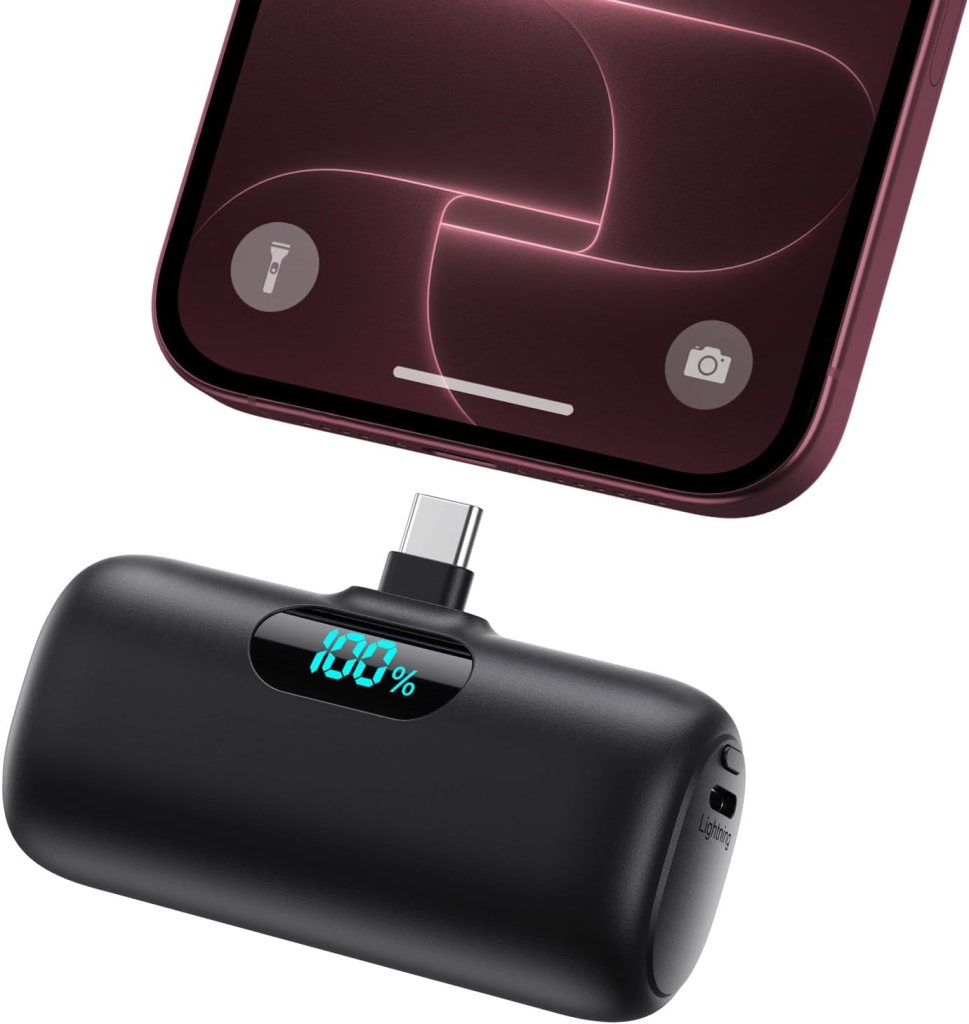
Many Swiss speak two or three of these fluently, and English is widely understood in cities. Long sightseeing days exploring multiple language regions can drain a phone battery fast, so carrying a portable power bank like this one ensures translation apps, maps, and travel guides keep working all day.
Switzerland Population Trends Travelers Should Know
- Aging demographics: roughly 1 in 5 Swiss residents is over 65.
- Urban migration: Zürich’s metro grows roughly 1.2% per year while remote alpine villages shrink.
- High immigration: ~26% of the Switzerland population was born abroad — one of the highest rates in Europe.
- Cross-border workers: hundreds of thousands commute daily from France, Italy, and Germany.
- Rising household sizes: growing slightly after decades of decline as multi-generational living returns.
Why Switzerland Population Numbers Matter for Travelers
Knowing the Switzerland population shape helps you plan smarter: book Zürich and Geneva accommodations months ahead, expect quieter alpine villages year-round, and never assume your French phrasebook will work in St. Gallen. Carrying small essentials like cards, cash, and a passport close while exploring crowded urban districts is easier with a compact crossbody-style fanny pack like this one.
Final Word on Switzerland Population
Switzerland population data tells a layered story: a multilingual, urban-clustered, internationally connected country where Swiss German Zürich and French Geneva can feel like two different nations 250 km apart. Once you understand the regional, linguistic, and demographic mix, traveling here becomes far more rewarding — you stop expecting one Switzerland and start meeting all of them. For more cultural prep before your trip, our first-time Switzerland travel guide and Switzerland travel tips are the next reads to bookmark.










Share your thoughts with us! Leave a Comment!