
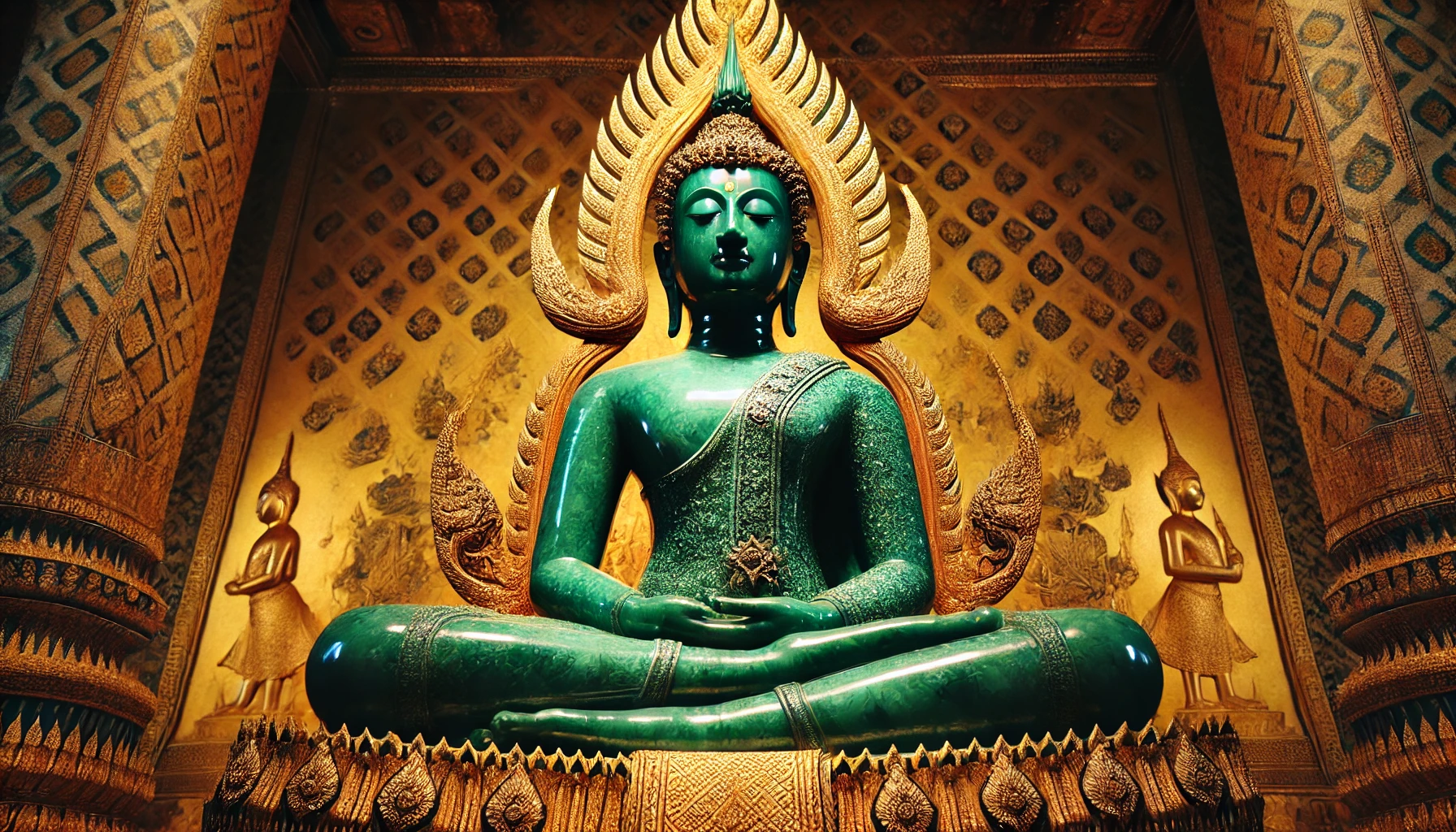
While exploring Bangkok, we kept hearing about the Emerald Buddha — a tiny statue with a giant reputation. Once we visited Wat Phra Kaew and learned its story, we understood why it holds such a revered place in Thai culture. Whether you’re planning a visit or just curious about its legacy, here’s what makes the Emerald Buddha so sacred.
Unraveling the History and Meaning of the Emerald Buddha
A Statue Steeped in Legend
The origins of the Emerald Buddha are wrapped in mystery and myth. According to ancient texts, the statue was created in India in 43 BCE by a divine sage named Nagasena. It was said to bring prosperity and spiritual power wherever it resided. Over centuries, the statue traveled from India to Sri Lanka, Cambodia, Laos, and finally to Thailand — each stop shaping its legend and reverence.
Historically, the statue surfaced in Chiang Rai, northern Thailand, in the 15th century when a lightning bolt cracked open a stucco Buddha image, revealing the green gem inside. From there, it moved between several Thai kingdoms before being brought to Bangkok in 1784 by King Rama I, who enshrined it in Wat Phra Kaew. To document your journey while exploring, many travelers recommend an ultimate travel action camera like this for capturing stunning photos and videos of the Emerald Buddha and Wat Phra Kaew in incredible detail.
Why “Emerald” If It’s Made of Jade?
Despite its name, the Emerald Buddha is actually carved from jade — likely sourced from northern Myanmar. The “emerald” title refers to its rich green color, not the gemstone. Standing only about 26 inches tall, its spiritual weight far outweighs its size.
Symbol of Thai Sovereignty and Royal Power
The Emerald Buddha is deeply intertwined with the Thai monarchy. It’s seen not just as a religious icon but as a symbol of the nation and the king’s divine right to rule. Only the Thai monarch is allowed to touch the statue, and three times a year, the king personally changes its golden robes in a sacred ritual marking the seasons — summer, rainy, and winter.
These robe-changing ceremonies are broadcast nationwide and represent blessings for the kingdom’s prosperity, health, and harmony.
Some travelers elevate their experience with a keepsake journal thoughtfully designed for travelers who love capturing memories, documenting adventures, and preserving the fun of every trip and documenting the robe-changing ceremony is epic.

Cultural and Spiritual Significance
To Thai Buddhists, the Emerald Buddha isn’t worshipped for the object itself, but for what it represents — Buddha’s teachings, national unity, and divine protection. Visitors and pilgrims alike bow in reverence, offer lotus flowers, and take a quiet moment to reflect in its presence.
Its elevated perch within the ornately decorated ordination hall at Wat Phra Kaew reflects its supreme status. Unlike other Buddha statues, it’s not touched for cleaning or moved for festivals — it remains still, constant, and guarded.
Staying hydrated during long sightseeing days at the Wat Phra Kaew is important, so many travelers carry a collapsible water bottle like this one that folds flat when it’s empty.
Experience The Emerald Buddha!
Where to See the Emerald Buddha Today
The statue is housed in the Chapel of the Emerald Buddha within Wat Phra Kaew, part of Bangkok’s Grand Palace complex. It’s open daily to visitors and remains a centerpiece of Thai spiritual life. To see it with context, you can book a guided Grand Palace and Wat Phra Kaew tour.
- Address: Na Phra Lan Rd, Phra Nakhon, Bangkok
- Opening Hours: 8:30 AM – 3:30 PM daily
- Admission: Included with Grand Palace entry (500 THB)
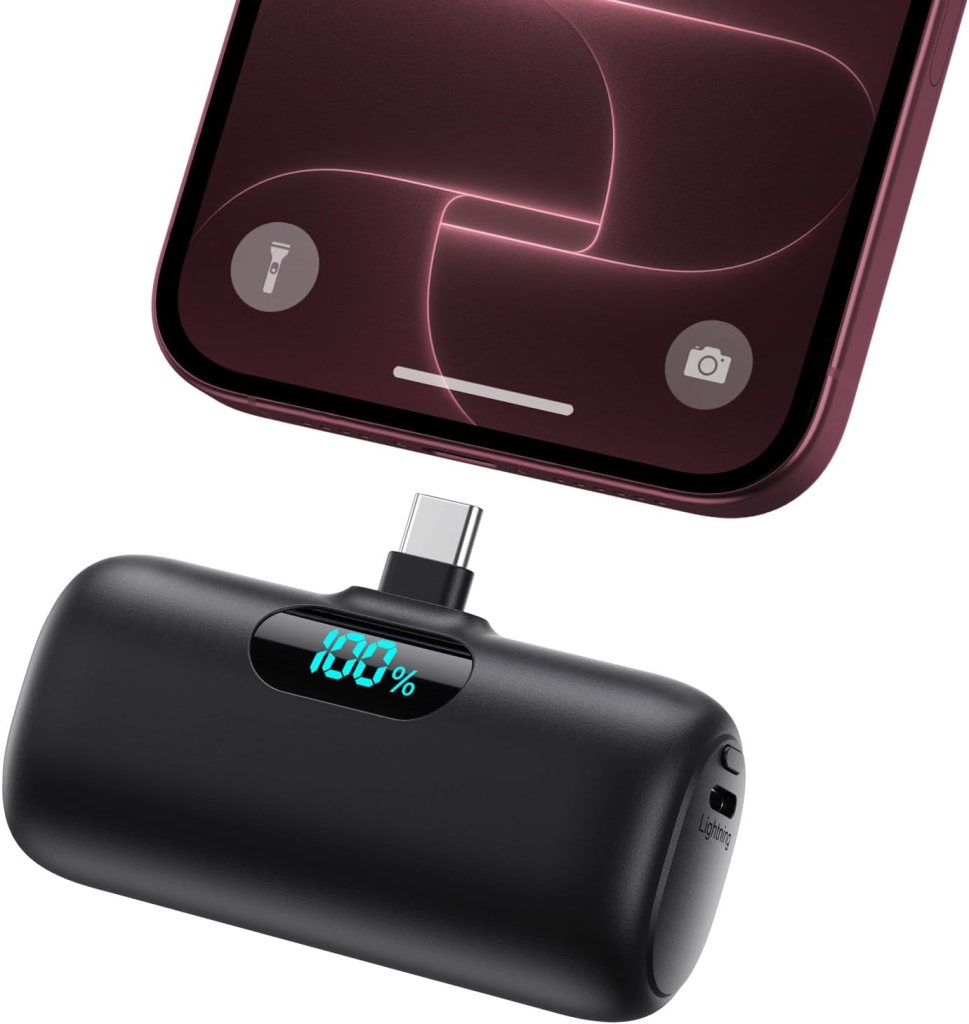
Thinking about visiting this place soon? Keeping important items secure when visiting Wat Phra Kaew is easier with a hidden money belt like this one designed to store passports, credit cards, and cash.
What to Know Before You Go
- Dress modestly: shoulders and legs must be covered.
- No photography inside the ordination hall.
- Arrive early or late in the day to avoid crowds.
- Take time to observe the murals and gilded surroundings — every detail has symbolic meaning.
Because this is a large complex, comfortable shoes are essential, and many travelers recommend supportive walking sneakers like these for full days of sightseeing.
The Emerald Buddha, the Soul of Thailand
The Emerald Buddha may be small in size, but it carries the heart of a nation. Its history, mystery, and majesty make it a must-see — and a must-understand — on any Bangkok itinerary. Whether you visit for spiritual reasons or cultural curiosity, the Emerald Buddha offers a rare glimpse into the soul of Thailand.









Share your thoughts with us! Leave a Comment!