
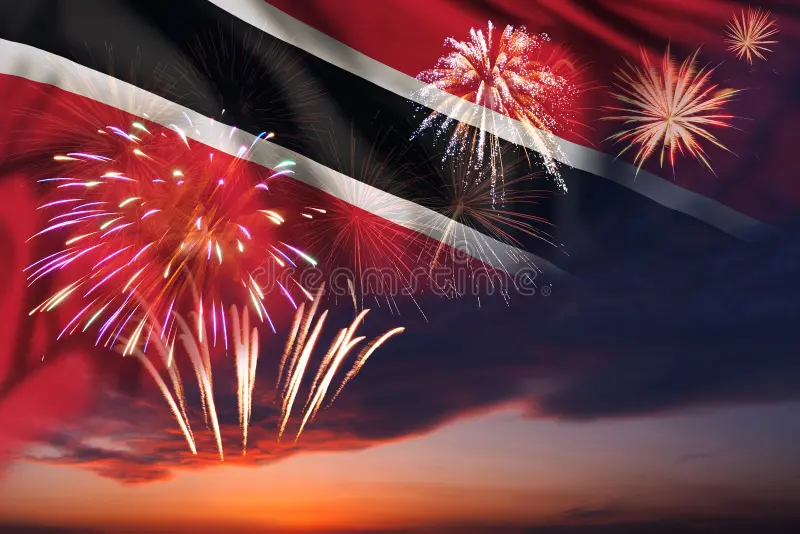
When we visited Trinidad, we quickly noticed how proud locals are of their national identity. One of the biggest moments of pride each year is Trinidad Independence Day, celebrated across the country with flags, parades, and cultural events. The holiday marks the moment Trinidad and Tobago became an independent nation and began shaping its own future. But beyond the history, Trinidad Independence Day is also a vibrant cultural celebration filled with music, food, and national pride.
Get To Know The Traveling Taylors!
Here are seven things visitors should know about Trinidad Independence Day.
1. Trinidad Independence Day Celebrates Freedom
Every year on August 31, Trinidad and Tobago celebrates the day it gained independence from the United Kingdom in 1962. This moment remains one of the most important events in the country’s history.
While the holiday commemorates political independence, it also celebrates culture, unity, and national identity.
Here are some interesting facts about Trinidad Independence Day.
The most important meaning of Trinidad Independence Day is the country’s transition from colonial rule to self-governance.
Before 1962, Trinidad and Tobago had been governed as a British colony. After independence, the nation gained the ability to control its own government and national policies.
This milestone is why Trinidad Independence Day remains such an important national holiday. Many travelers choose to commemorate their experience in Trinidad with a keepsake journal like this one, thoughtfully crafted for those who enjoy preserving meaningful memories while recording the stories, history, and cultural traditions that make Trinidad Independence Day celebration so special.
2. Trinidad Independence Day is August 31
Trinidad Independence Day is celebrated every year on August 31.
This date marks the official moment when Trinidad and Tobago became an independent nation within the Commonwealth.
Each year, the country commemorates Trinidad Independence Day with ceremonies, cultural events, and celebrations.
3. The National Flag Was Introduced in 1962
The national flag was officially adopted at the same time as Trinidad Independence Day in 1962.
The flag’s bold red background and diagonal black stripe represent the strength, vitality, and unity of the nation.
During Trinidad Independence Day, the flag appears everywhere—from government buildings to homes and public celebrations.
Many travelers enjoy bringing an instant camera like this one to capture the national flag showcased during Independence Day celebrations, allowing them to print and cherish their favorite moments on the spot.
4. National Pride Is Everywhere
During Trinidad Independence Day, it’s common to see people proudly wearing the colors of the national flag.
Red clothing, accessories, and decorations are especially popular during the celebrations.
Schools, businesses, and community groups often organize events that highlight the meaning of Trinidad Independence Day.
5. The Celebrations Include Parades and Ceremonies
Across the country, Trinidad Independence Day is marked by official ceremonies and public celebrations.
These events often include:
- Flag-raising ceremonies
- Military parades
- Cultural performances
- Speeches by national leaders
These events highlight the historical importance of Trinidad Independence Day while bringing communities together. Many travelers enjoy bringing an instant camera like this one to capture the vibrant colors, intricate details, and eye-catching attire showcased during Trinidad Independence Day celebrations, allowing them to print and cherish their favorite moments on the spot.
6. Music and Culture Are Part of the Celebration
Like many celebrations in Trinidad, Trinidad Independence Day includes vibrant music and cultural traditions.
Performances may feature:
- Steelpan bands
- Calypso music
- Soca music
These musical traditions are deeply connected to the cultural heritage of the country and often play a major role during Trinidad Independence Day events.
7. It’s a Time for Reflection and Celebration
While Trinidad Independence Day includes festive celebrations, it is also a time for reflection.
Many people use the holiday to remember the leaders and activists who worked toward independence and national unity.
The day serves as a reminder of the country’s journey from colonial rule to independence.
Why Trinidad Independence Day Matters
For citizens of Trinidad and Tobago, Trinidad Independence Day represents more than just a historical milestone. It symbolizes national pride, cultural identity, and the strength of the country’s diverse population.
The holiday also highlights the unity of the nation’s many communities, including African, Indian, European, and Indigenous influences.
This cultural diversity is one of the defining features of Trinidad Independence Day celebrations.
Many travelers recommend bringing a high-quality travel action camera like this one to capture stunning photos and immersive videos of community events celebrating national pride.
Experiencing Trinidad Independence Day
For visitors, experiencing Trinidad Independence Day offers a unique opportunity to see the country’s culture and national pride on full display. From colorful parades to music performances and community gatherings, the celebrations reflect the vibrant spirit of Trinidad and Tobago. Learning about Trinidad Independence Day helps travelers better understand the history and identity of the nation they’re visiting. And when you see the red, black, and white flag flying proudly across the country on August 31, it becomes clear just how meaningful Trinidad Independence Day is to the people of Trinidad and Tobago. 🇹🇹












Share your thoughts with us! Leave a Comment!