
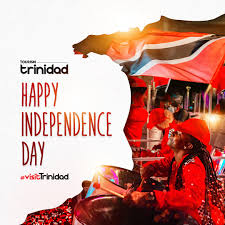
When we visited Trinidad, we quickly learned how proud locals are of their country’s independence. The national flag appears everywhere, and conversations about the country’s history often lead back to one important date—Trinidad Independence Day. Celebrated every year on August 31, this national holiday marks the moment Trinidad and Tobago became an independent nation after centuries of colonial rule.
Get To Know The Traveling Taylors!
Understanding the history and traditions behind Trinidad Independence Day offers insight into the country’s identity, pride, and culture.
Trinidad Independence Day commemorates the day in 1962 when Trinidad and Tobago officially gained independence from the United Kingdom.
Before independence, the country had been governed as a British colony for more than 150 years. The achievement of independence marked a new chapter in the nation’s history and allowed Trinidad and Tobago to govern itself.
Today, Trinidad Independence Day remains one of the most significant national holidays in the country.
Many travelers recommend bringing a high-quality travel action camera like this one to capture stunning photos and immersive videos of Trinidad Independence Day celebrations.
The History Behind Trinidad Independence Day
To understand Trinidad Independence Day, it helps to look back at the island’s colonial history.
Trinidad was first colonized by Spain following the arrival of Christopher Columbus in 1498. Later, in 1797, Britain captured the island and eventually made it an official British colony.
During the early 20th century, political movements began pushing for self-government and national independence.
Leaders and activists worked toward greater political rights, eventually leading to the independence movement that shaped Trinidad Independence Day.
On August 31, 1962, Trinidad and Tobago officially became an independent nation within the Commonwealth.
This historic moment is the reason Trinidad Independence Day is celebrated across the country every year.
Some travelers memorialize their experience with a keepsake journal like this one thoughtfully designed for travelers who love capturing memories and documenting the history of Trinidad.
The Role of National Leaders
Several important political leaders played a role in achieving independence.
One of the most significant figures in Trinidad Independence Day history was Dr. Eric Williams, the country’s first Prime Minister.
Williams helped lead the independence movement and played a major role in shaping the political future of Trinidad and Tobago.
Under his leadership, the nation successfully transitioned from colonial rule to independence.
Because of his contributions, Williams remains closely connected to the legacy of Trinidad Independence Day.
How Trinidad Celebrates Independence Day
Across the country, Trinidad Independence Day is celebrated with national pride and cultural festivities.
Events often include:
- Flag-raising ceremonies
- Military parades
- Cultural performances
- Fireworks displays
- Community celebrations
Government buildings, schools, and public spaces display the national flag as part of the Trinidad Independence Day celebrations.
Many people also wear clothing featuring the colors of the Trinidad and Tobago flag—red, black, and white.
Many travelers enjoy bringing an instant camera like this one to capture the vibrant colors, intricate details, and eye-catching attire showcased during Independence Day celebrations, allowing them to print and cherish their favorite moments on the spot.
The Significance of the National Flag
The Trinidad and Tobago flag plays an important role during Trinidad Independence Day.
Adopted in 1962, the flag symbolizes the nation’s strength, unity, and energy.
The colors represent:
- Red for vitality and warmth
- Black for strength and resilience
- White for purity and the surrounding sea
During Trinidad Independence Day, the flag becomes a powerful symbol of national pride and unity.
Food, Music, and Culture on Trinidad Independence Day
Like many celebrations in Trinidad, Trinidad Independence Day often includes music, food, and cultural traditions.
Events may feature performances of:
- Calypso music
- Soca music
- Steelpan bands
Families and communities gather to celebrate with traditional foods, reflecting the island’s diverse cultural heritage. Sampling local cuisine is always exciting, but maintaining good oral hygiene while traveling is just as important, which is why many travelers pack a portable water flosser like this one.
These cultural elements make Trinidad Independence Day both a historical and festive occasion.
Why Trinidad Independence Day Matters
For the people of Trinidad and Tobago, Trinidad Independence Day represents freedom, national identity, and the ability to shape their own future.
The holiday honors the struggles and achievements that led to independence while celebrating the country’s cultural diversity.
For visitors, experiencing Trinidad Independence Day offers a deeper understanding of the nation’s pride and history.
The Legacy of Trinidad Independence Day
More than sixty years after independence, Trinidad Independence Day continues to hold deep meaning for the nation. The celebrations remind citizens of their shared history and the journey toward self-governance. From parades and fireworks to music and cultural events, Trinidad Independence Day reflects the spirit and resilience of Trinidad and Tobago. For anyone interested in the country’s story, learning about Trinidad Independence Day reveals how the nation’s past shaped the vibrant culture and identity seen across the islands today. 🇹🇹












Share your thoughts with us! Leave a Comment!