

When people think of Zimbabwe, their minds often go straight to Victoria Falls or safari parks—but every adventure in this country begins in its capital, Harare. As Zimbabwe’s political, cultural, and economic hub, Harare tells the story of the nation’s past while showcasing its modern energy. Here’s a deeper look at the Zimbabwe capital.
Get To Know The Traveling Taylors!
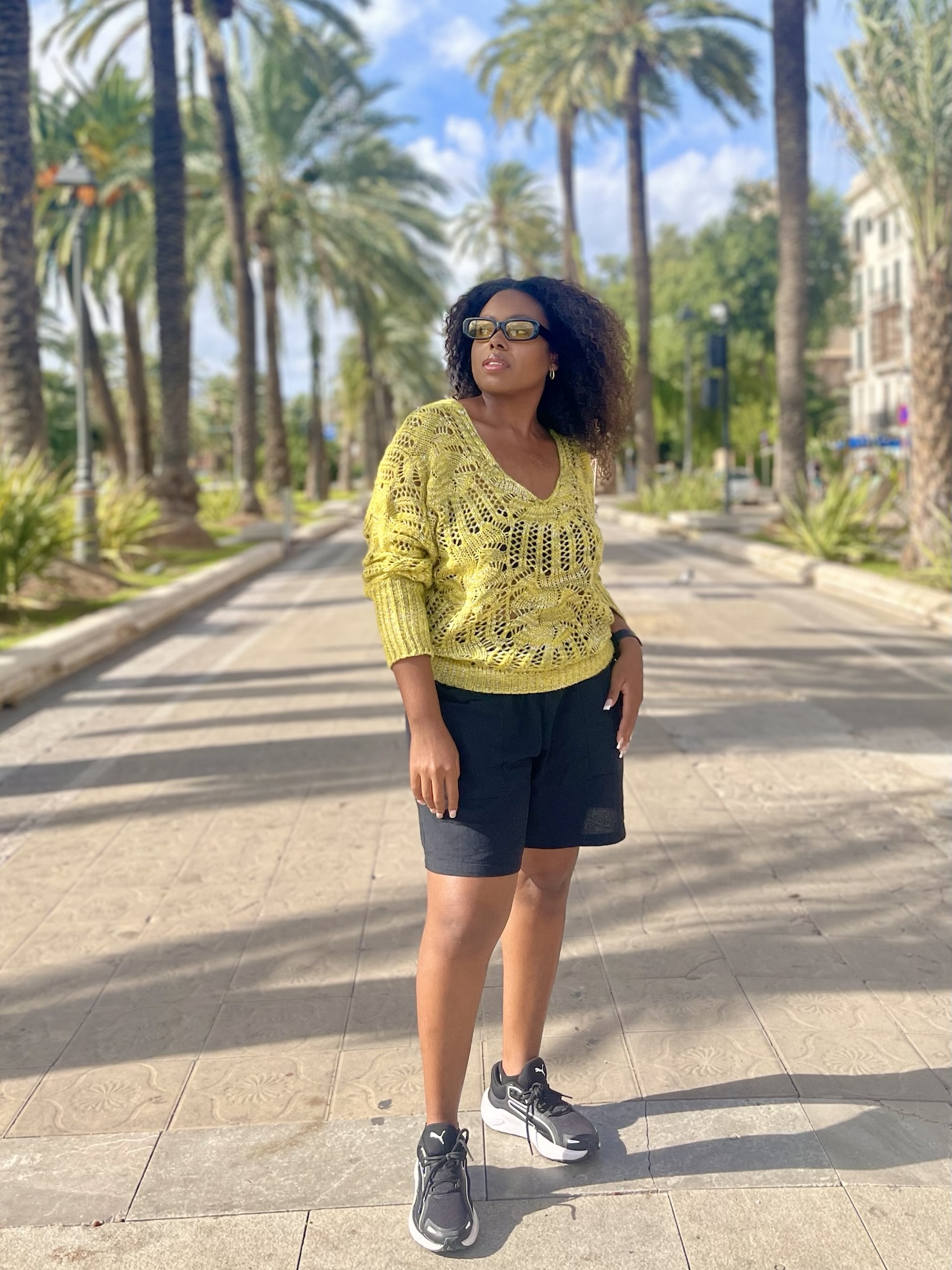
Comfortable shoes are essential when exploring on foot, and many travelers recommend supportive walking sneakers like these for full days of sightseeing.
🏛️ A Brief History of Harare
- Colonial beginnings: Founded in 1890 by British settlers, the city was originally called Salisbury.
- Independence: After Zimbabwe gained independence in 1980, Salisbury was renamed Harare, after the Shona chief Neharawa.
- Growth: Today, Harare is home to over 1.5 million people and serves as the main gateway for international visitors. Many travelers prefer using a slim RFID-blocking wallet like this one because it keeps cards and cash secure while taking up very little space.
🎨 Culture in the Zimbabwe Capital
Harare is more than just government buildings and business centers. It’s also a cultural hub where Zimbabwe’s creativity and traditions come alive.
- National Gallery of Zimbabwe: Showcasing Shona sculpture and contemporary African art.
- Mbira music: Traditional music performances and workshops highlight this thumb-piano instrument central to Zimbabwe’s heritage.
- Craft markets: Mbare Market and Avondale Flea Market are great spots for souvenirs, textiles, and local crafts. While generally safe for tourists, some travelers like carrying a small personal safety alarm like this one for extra peace of mind.
🌍 Modern Life in Harare
Harare has its challenges, but it’s also full of vibrancy and resilience. Visitors often find it friendlier and more laid-back than they expect.
- Dining & nightlife: From rooftop bars to braai (barbecue) restaurants, Harare has a growing food scene.
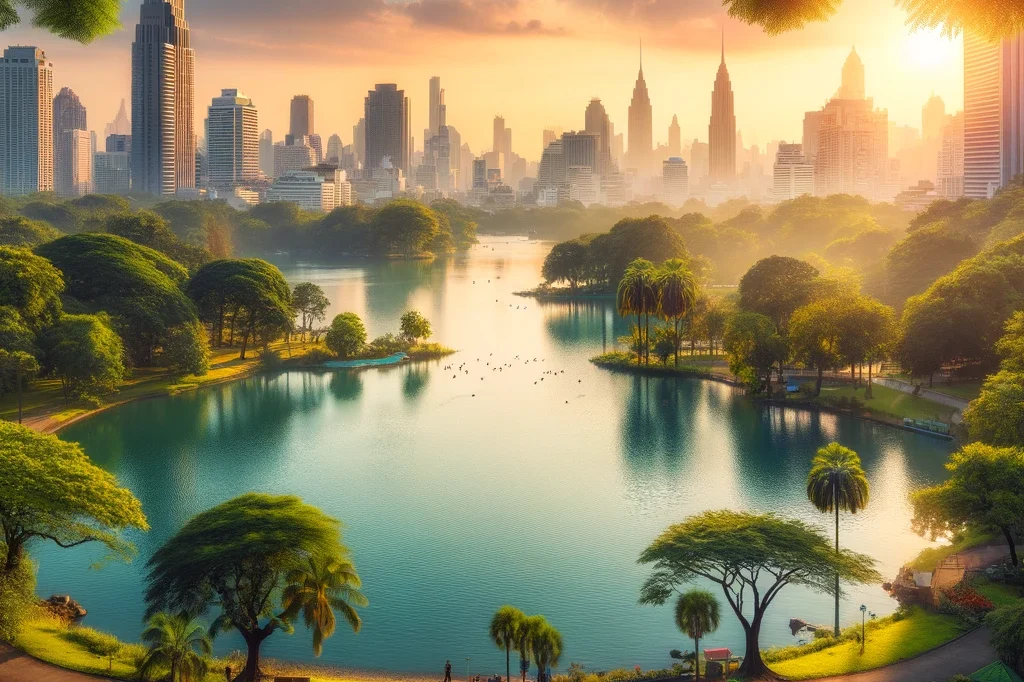
- Green spaces: Harare Gardens and Mukuvisi Woodlands offer calm escapes in the city.
- Business hub: As the capital, Harare is the center of Zimbabwe’s financial and political life. Long sightseeing days can drain your phone, so carrying a portable power bank like this one is smart.
🚌 Getting Around the Zimbabwe Capital
- By car: Taxis and private transfers are the most reliable way.
- By bus/minibus: Used by locals, but often crowded and confusing for visitors.
- Walking: Possible in central areas during the day, but avoid late-night walks.
✨ Zimbabwe Capital
Harare is more than a stopover—it’s a city of history, culture, and modern-day Zimbabwean life. Exploring the Zimbabwe capital gives you insight into the country’s resilience and creativity, making it a rewarding part of any Zimbabwe trip.









Share your thoughts with us! Leave a Comment!