
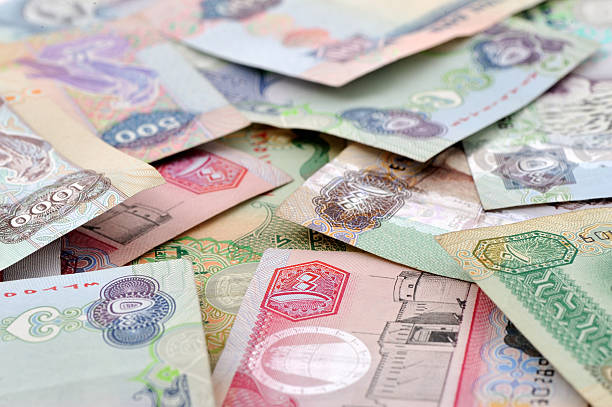
Dubai dazzles in every way—but that includes how quickly your money can disappear if you’re not careful. After a few rookie mistakes (hello, overpriced airport exchange!), we learned the ins and outs of handling Dubai currency like a local. Here are our top 7 tips to help you save dirhams and avoid financial headaches
Get To Know The Traveling Taylors!
1. Know the Basics of the Dirham (AED)
- 1 AED = 100 fils
- Common coins: 25 fils, 50 fils, 1 AED
- Notes: 5 to 1,000 AED, including new polymer bills
2. Always Pay in Dirhams (AED), Not Your Home Currency
- Shops may offer to charge your card in USD or EUR, but this often comes with worse exchange rates.
- Tip: Choose to be charged in AED every time.
3. Withdraw from Local ATMs
- ATMs in Dubai offer competitive exchange rates and are widely available.
- Avoid currency kiosks in airports or tourist areas—they typically charge high fees.
4. Use Contactless Payments
- Apple Pay, Google Pay, and tap-to-pay cards are accepted almost everywhere.
- Pro Tip: Set up your digital wallet before arrival for smoother transactions.
5. Carry Small Cash for Markets and Tips
- Souks, small food vendors, and taxis may not accept cards.
- Keep 10s, 20s, and 50s for tipping and small purchases.
6. Budget Daily in Dirhams
- Set a daily limit in AED to stay on track with your spending.
- Use travel apps or a notes app to log daily expenses.
7. Save Receipts & Track Exchange Rates
- This helps you compare rates and spot discrepancies, especially on credit card statements.
- Bookmark the official AED to USD rate (1 USD = 3.6725 AED) for reference.
Final Thoughts on Handling Currency in Dubai
Dubai doesn’t have to drain your wallet—if you know how to manage your money. By using local currency, avoiding dynamic currency conversion, and mixing digital with cash payments, you’ll stretch your budget and travel smarter.















Share your thoughts with us! Leave a Comment!