
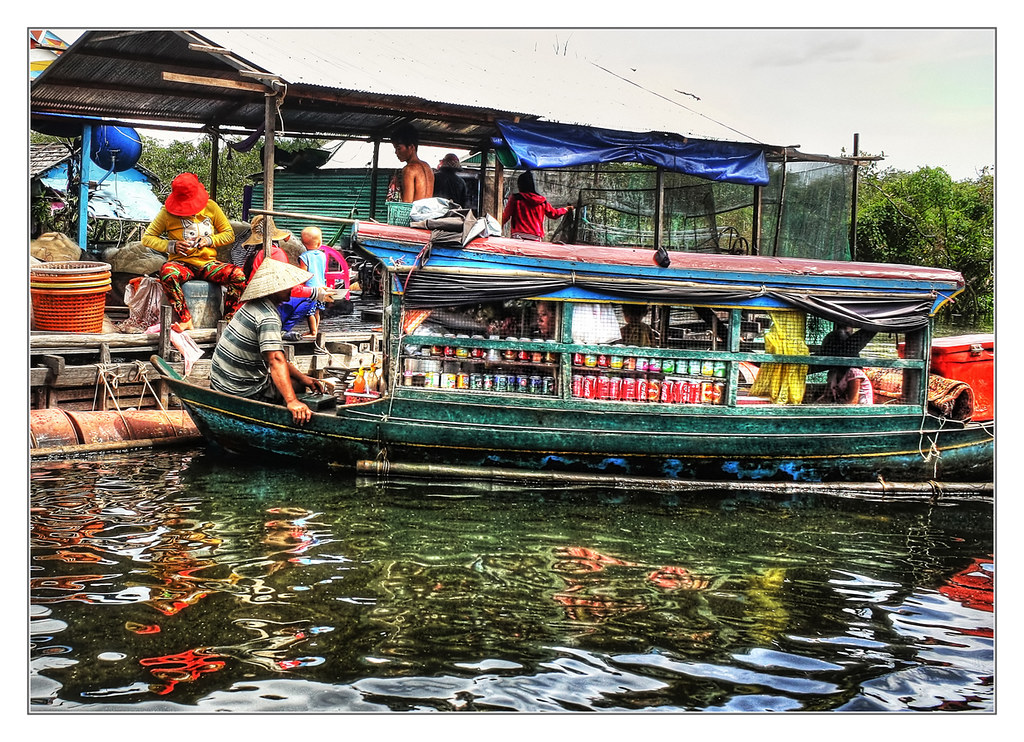
We’d heard about Cambodia’s floating villages long before we arrived, but nothing prepared us for the scale—and serenity—of Tonle Sap Lake. As the largest freshwater lake in Southeast Asia, Tonle Sap is more than just a natural wonder. It’s a lifeline for thousands of Cambodians who live, fish, and farm on its waters. Visiting the lake offers a glimpse into a unique way of life—but to do it right, you’ll want to go in informed. Here’s everything you need to know before visiting Tonle Sap Lake.
Explore Tonle Sap Lake With Us!
What Is Tonle Sap Lake?
Located just south of Siem Reap, Tonle Sap Lake is a UNESCO-designated biosphere reserve and a vital part of Cambodia’s ecosystem. Its water level can rise and fall dramatically—swelling from about 2,500 square kilometers in the dry season to over 15,000 in the wet season.
More than a million people depend on the lake for fishing, farming, and freshwater. Many live in floating villages—entire communities with houses, schools, shops, and even temples that rise and fall with the lake.
Top Floating Villages to Visit
1. Kampong Phluk
One of the most popular villages for tourists. Houses are built on towering stilts, and the area is known for its mangrove forest boat rides.
2. Chong Kneas
The closest village to Siem Reap, but often criticized for being overly touristy and commercialized. Not our top pick.
3. Kampong Khleang
A bit farther away (about 1.5 hours from Siem Reap), but much more authentic and less crowded. Great if you want a deeper cultural experience.
4. Mechrey
Less visited, with a strong focus on eco-tourism and community involvement.

Best Time to Visit Tonle Sap
- Wet Season (June to November): The lake is full and villages float on high waters. It’s the best time to see houses by boat and explore flooded forests.
- Dry Season (December to May): Water levels drop, and houses stand high on stilts. The views are different but still dramatic.
If you want lush scenery and immersive boat rides, aim for September to early November.
How to Visit: Tour or DIY?
Tours:
Most visitors take half-day or full-day tours from Siem Reap. Many include transportation, boat rides, and sometimes a meal. Look for companies that support the local community and avoid “orphanage visits” or exploitative add-ons.
DIY Option:
You can hire a tuk-tuk or private driver to the lake and then pay for a boat ride on arrival. This offers more flexibility, but fewer insights unless you speak Khmer or go with a guide.
What to Expect During a Visit
- A boat ride through the village—either along stilted homes or floating structures
- Optional side trips to flooded forests or local schools
- Basic conditions—this isn’t a polished attraction, but that’s part of the charm
- Insight into a way of life that’s shaped by water, season, and tradition
Bring:
- Sunscreen and a hat
- Insect repellent
- Camera with a strap (it can get splashy!)
- Small bills for tips or purchases
Respectful Travel Tips
- Support community-based tours that benefit locals directly
- Avoid giving candy or money to children—it encourages dependency
- Be respectful when taking photos—always ask if you’re unsure
- Remember this is home for many, not just a photo op
Final Thoughts About Tonle Sap Lake
Tonle Sap Lake is one of Cambodia’s most fascinating and humbling experiences. It’s easy to get caught up in temple-hopping, but stepping into the rhythm of daily life on the lake offers a rare, real connection to the country’s heart. Go with curiosity, compassion, and an open mind—and you’ll leave with more than just great photos.










Share your thoughts with us! Leave a Comment!