
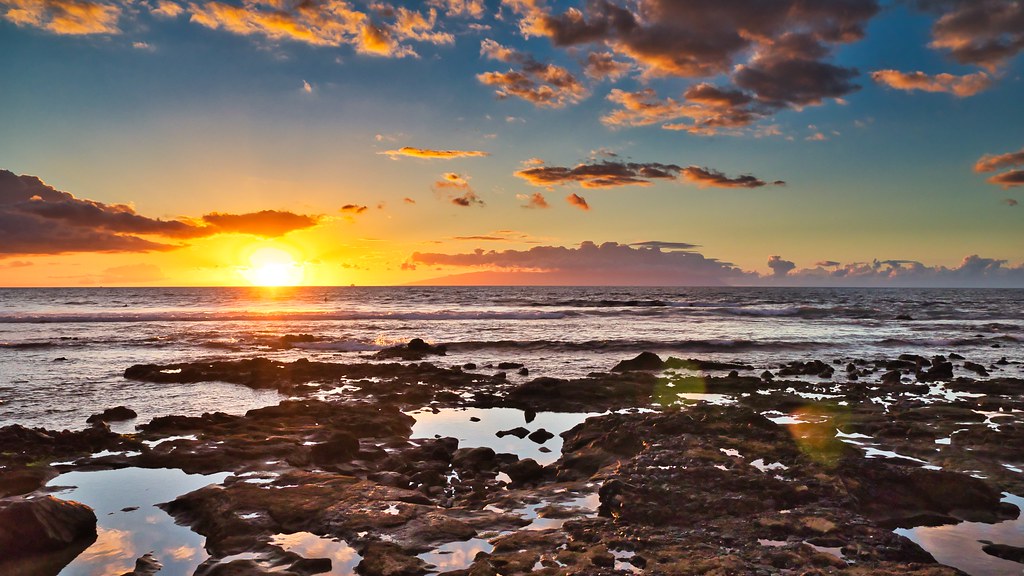
Why Canary Islands Weather Is So Unique
Before our trip, we heard the Canary Islands were called the “Islands of Eternal Spring.” Sounds dreamy, right? And while it’s true that the weather is mild year-round, it’s not always beach-perfect. In reality, weather conditions can shift by island, elevation, and even which side of the island you’re on. This guide breaks it down month by month so you know what to expect—and when to go.
Overview: Canary Islands Climate at a Glance
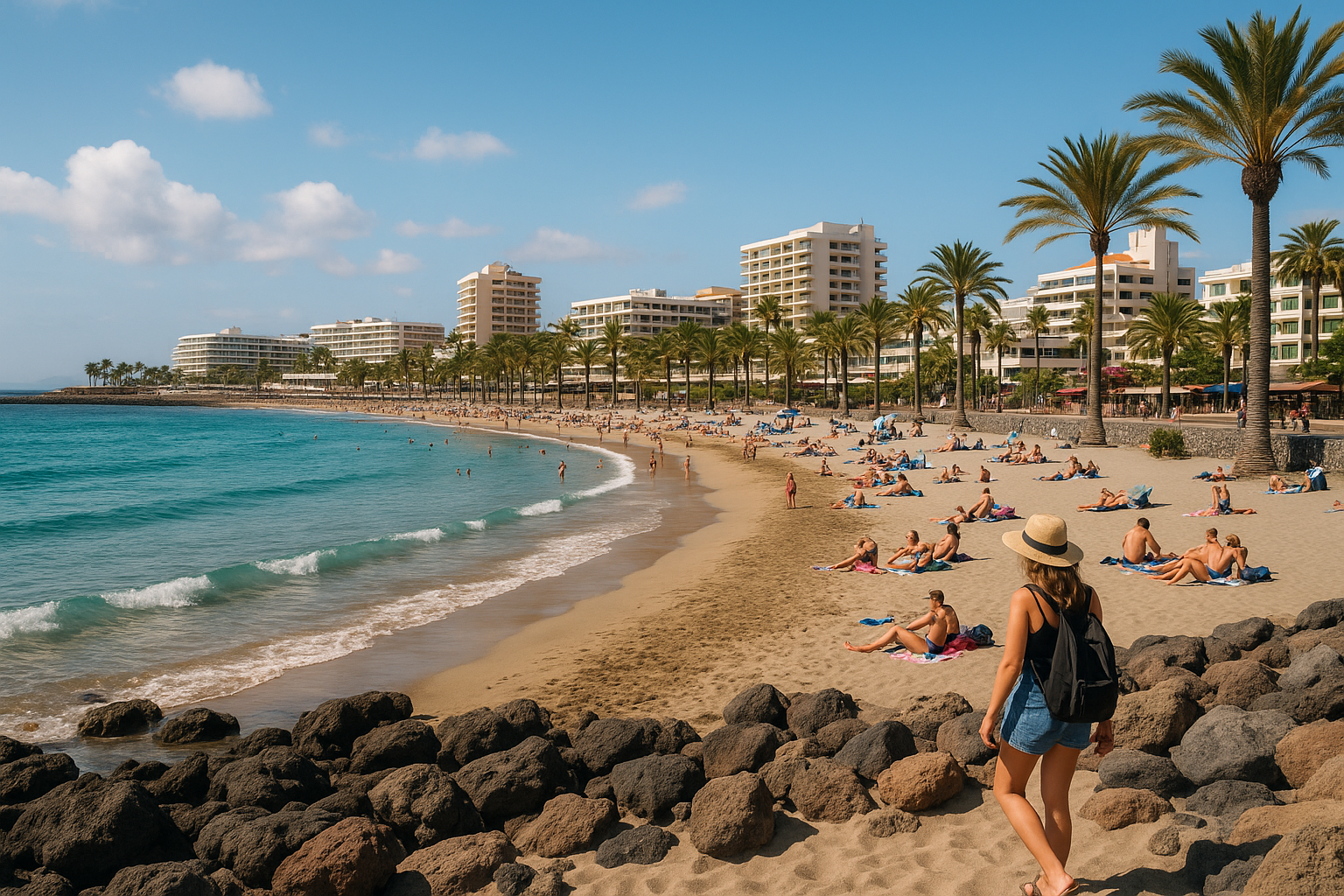
The Canary Islands enjoy a subtropical climate with minimal temperature swings. Summers are warm but not too hot, and winters are mild enough for beach days.
Spending time in warm tropical climates usually means lots of sunshine, so many travelers pack oversized UV-protection sunglasses like these to help protect their eyes while exploring beaches, markets, and coastal towns.
Average Year-Round Temps:
- Daytime: 20°C to 28°C (68°F to 82°F)
- Nighttime: 15°C to 21°C (59°F to 70°F)
Warmest Islands: Tenerife (south), Gran Canaria (south), Fuerteventura
Cooler & Greener: La Palma, La Gomera, northern Tenerife
January–March: Sunny Winters with Mild Temps
These are the coolest months, but still very mild by European standards. It’s a great escape from cold weather elsewhere, with average highs of 20–22°C (68–72°F).
- Best for: Winter sun, hiking, avoiding crowds
- Expect: Cooler evenings, possible clouds in the north
- Tip: South Tenerife and south Gran Canaria are the sunniest bets
April–June: Springtime Sweet Spot
This is one of the best times to visit. Fewer tourists, warming temps, and blooming landscapes.
- Best for: Balanced weather, photography, outdoor adventures
- Expect: 22–26°C (72–79°F) and very little rain
- Tip: Perfect time to explore Teide or visit lesser-known islands
Water activities are common in tropical destinations, which is why many travelers bring waterproof phone pouches like this one to keep their phone protected.
Experience Tenerife With Us!
July–August: Hot, Dry, and Very Sunny
Summer brings long sunny days and minimal rainfall. It’s peak season, especially for families on school holidays.
- Best for: Beaches, water sports, sun-seekers
- Expect: 26–30°C (79–86°F), strong sun, and wind in Fuerteventura
- Tip: Book early—accommodations fill fast in July & August
September–October: Warm Waters and Fewer Crowds
Sea temps peak in September, making it ideal for swimming and snorkeling. The weather stays summery, but tourist numbers begin to drop.
- Best for: Late summer getaways, swimming, relaxing
- Expect: 24–28°C (75–82°F), light breezes
- Tip: Great time for Lanzarote and Fuerteventura beach days
November–December: Mild and Peaceful Pre-Winter Escape
Temperatures cool slightly, but it’s still beach-worthy in the south. Early December is a hidden gem for a peaceful break before the holidays.
- Best for: Off-season travel, budget deals, sunny getaways
- Expect: 21–24°C (70–75°F), more clouds in northern areas
- Tip: Stick to the southern coasts for the best weather
Experience Tenerife With Us!
Packing Tips Based on the Weather
- All Year: Sunscreen, layers, swimwear
- Winter/Spring: Light jacket for evenings, hiking gear
- Summer: Hat, reef-safe sunscreen, water shoes
- Fall: Bug spray (especially in greener islands), breathable fabrics
Beach days often mean carrying essentials like phones and passports, so many travelers use waterproof fanny packs like this one to keep everything protected from water.
So, When Is the Best Time to Visit the Canary Islands?
Honestly? Anytime! But if you’re chasing sun, aim for April–October. If you prefer mild temps and fewer crowds, go in spring or early winter. And if you love hiking or photography, March–May is ideal for lush scenery and cooler trails.













Share your thoughts with us! Leave a Comment!