

Before we visited the Canary Islands, we imagined blue skies, warm beaches, and endless sunshine. And for the most part, that’s true. But no one warned us about the cloudy north, random windstorms, or how different the weather could be just 20 minutes away. This post spills the real truth about Canary Islands weather—and how to plan around it.
Microclimates Rule the Canary Islands
The most important thing to know about Canary Islands weather? It’s not the same across the islands—or even across one island. Mountains, elevation, and wind patterns create dozens of microclimates.
Warm climates can also mean mosquitoes and insects, which is why many travelers bring insect repellent products like this one when visiting tropical areas.
Example: In Tenerife, you can go from sunny skies in the south to cloudy, drizzly weather in the north in less than an hour.
Sunniest Areas in the Canary Islands
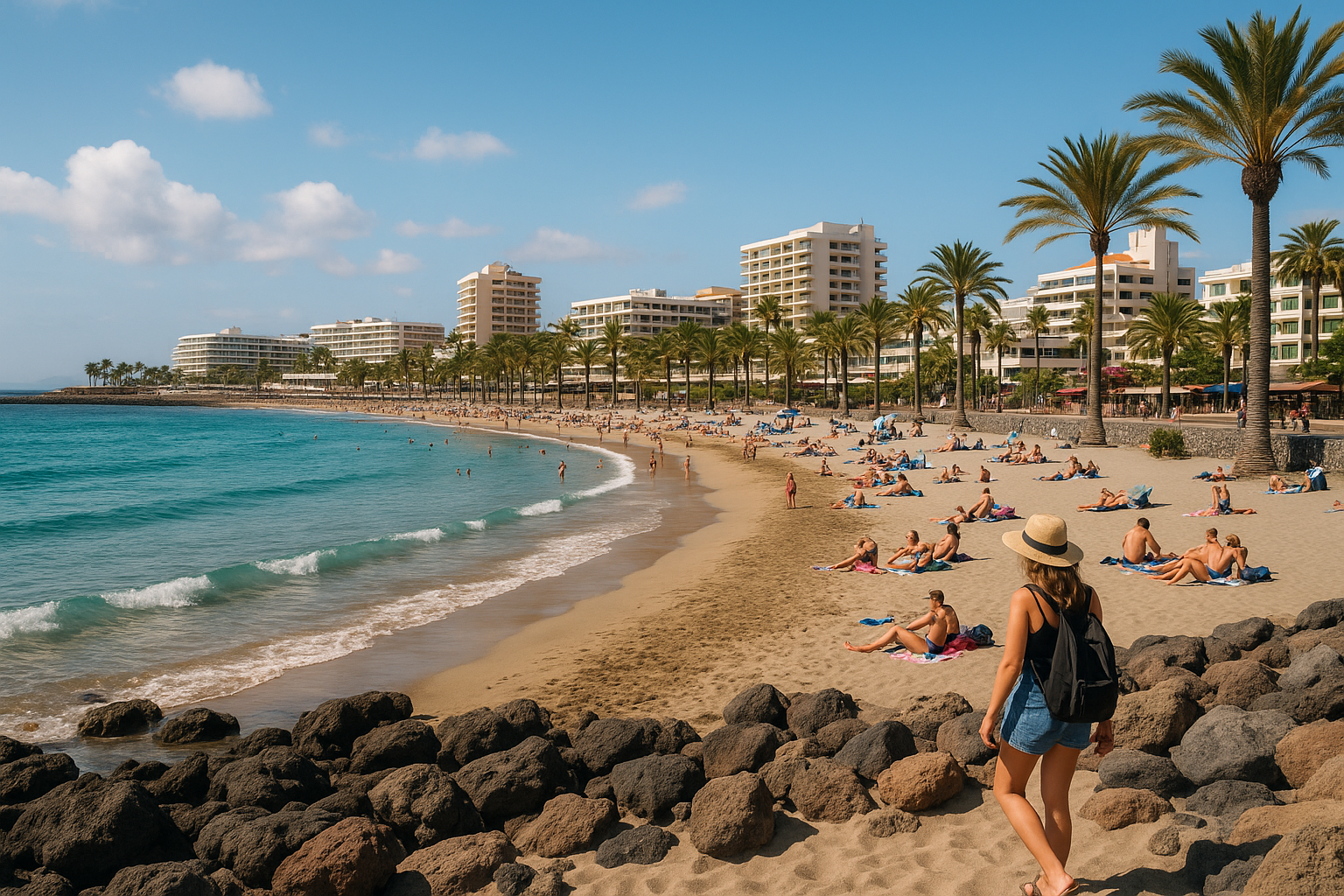
If you’re chasing sunshine, stick to the southern coasts. These regions get the most consistent weather year-round:
- Tenerife South (Costa Adeje, Los Cristianos)
- Gran Canaria South (Maspalomas, Puerto de Mogán)
- Fuerteventura East Coast (Corralejo)
- Lanzarote South (Playa Blanca)
These areas average 7–10 hours of sunshine daily, even in winter.
Long days under the sun call for reliable eye protection, which is why many travelers bring polarized aviator-style sunglasses like these while visiting tropical destinations.
Cloudy, Windy, or Rainy Spots to Watch Out For
Not every island is a sunseeker’s dream. Some areas are greener and cooler for a reason—they get more clouds, fog, or wind.
- North Tenerife (La Laguna, Anaga): Beautifully lush but often cloudy or rainy
- La Palma: Great for hiking, but bring a rain jacket
- Fuerteventura: Gorgeous, but windy year-round—especially on the west coast
- La Gomera: Dense forests = frequent mist and clouds
Pro Tip: Check the UV index and wind forecast, not just the temp!
Experience Tenerife With Us!
Best Seasons to Visit Based on Weather
- December–March: Mild temps, great winter escape, but stick to sunny southern coasts
- April–June: Sweet spot—comfortable temps, fewer crowds, minimal rain
- July–August: Hot, dry, and very sunny—ideal for beach lovers
- September–October: Warm sea, sunny skies, and fewer tourists
Packing for Canary Islands Weather (The Smart Way)
Even if the forecast looks great, pack a few extras:
- Light layers: Mornings and evenings can be cool
- Windbreaker: Especially for Fuerteventura or higher altitudes
- Sun protection: Strong UV rays, even on cloudy days
- Sturdy shoes: For exploring volcanoes or forest trails
Canary Islands Weather Myths—Busted
Myth 1: It’s always hot and sunny
Truth: Temps are mild year-round, but sun varies by region.
Myth 2: It never rains
Truth: Rain is rare, but possible—especially in the north or winter months.
Myth 3: All islands have the same climate
Truth: Each island has its own unique weather pattern.
When visiting warm coastal destinations, lightweight polarized sunglasses like these are a great option for reducing glare from water and bright sunlight.
Know Before You Go: Plan Around the Weather
Understanding Canary Islands weather will help you choose the best island—and the best side of the island—for your ideal trip. Whether you want a guaranteed beach tan or a misty mountain hike, now you know where to go (and what to pack!).
Check out our related guides to help you plan smarter:
- Canary Islands Weather by Month
- Which Canary Island to Pick
- Our Personal Canary Islands Itinerary














Share your thoughts with us! Leave a Comment!