
When we finally ventured into the Morocco Atlas Mountain range, we thought we knew what to expect—scenic hikes, fresh air, and village life. But the Atlas surprised us at every turn. From snow-capped peaks to desert valleys, it’s far more than just a backdrop to Marrakech. Here are 7 things most travelers don’t know about the Morocco Atlas Mountain.
Get To Know The Traveling Taylors!
1. It’s Not Just One Mountain, But a Range
The Atlas stretches over 2,500 km, spanning Morocco, Algeria, and Tunisia. In Morocco, it’s divided into three main sections: the High Atlas, Middle Atlas, and Anti-Atlas—each offering completely different landscapes. Covering this much ground means a lot of time in your car and it’s essential to stay hydrated, which is why a collapsible water bottle worth packing earns its spot in your bag.
2. It’s Home to North Africa’s Highest Peak
Mount Toubkal, located in the High Atlas, rises to 4,167 meters (13,671 ft). Trekking to its summit is a bucket-list adventure, usually taking 2–3 days from the base village of Imlil. On a multi-day climb like this, you will want to wear good hiking shoes. Many women who hike recommend these women’s durable leather hiking boots built for outdoor adventures with waterproof protection, slip-resistant traction, and cushioned arch support and men who like to hike recommend men’s hiking boots like these designed for comfort and durability with waterproof protection, slip-resistant traction, cushioned support, and rugged construction. If summiting is on your list, you can join a guided 2-day Toubkal climb from Marrakech.
3. Snow and Skiing Are Possible
Yes, Morocco has skiing! The Atlas Mountains get snow in winter, and resorts like Oukaimeden (near Marrakech) attract skiers looking for a unique alpine-meets-desert experience. If you visit in the colder months, it is smart to pack thermal base layers to stay warm once the temperature drops on the slopes.
4. The Amazigh (Berber) People Call It Home
The Atlas isn’t just about scenery—it’s cultural too. The indigenous Amazigh (Berber) communities live in mountain villages, speaking their own languages and maintaining traditions like weaving, farming, and communal bread-making. To meet these communities firsthand, you can take a day trip through the Ourika Valley and Berber villages.
5. Wildlife Still Roams Here
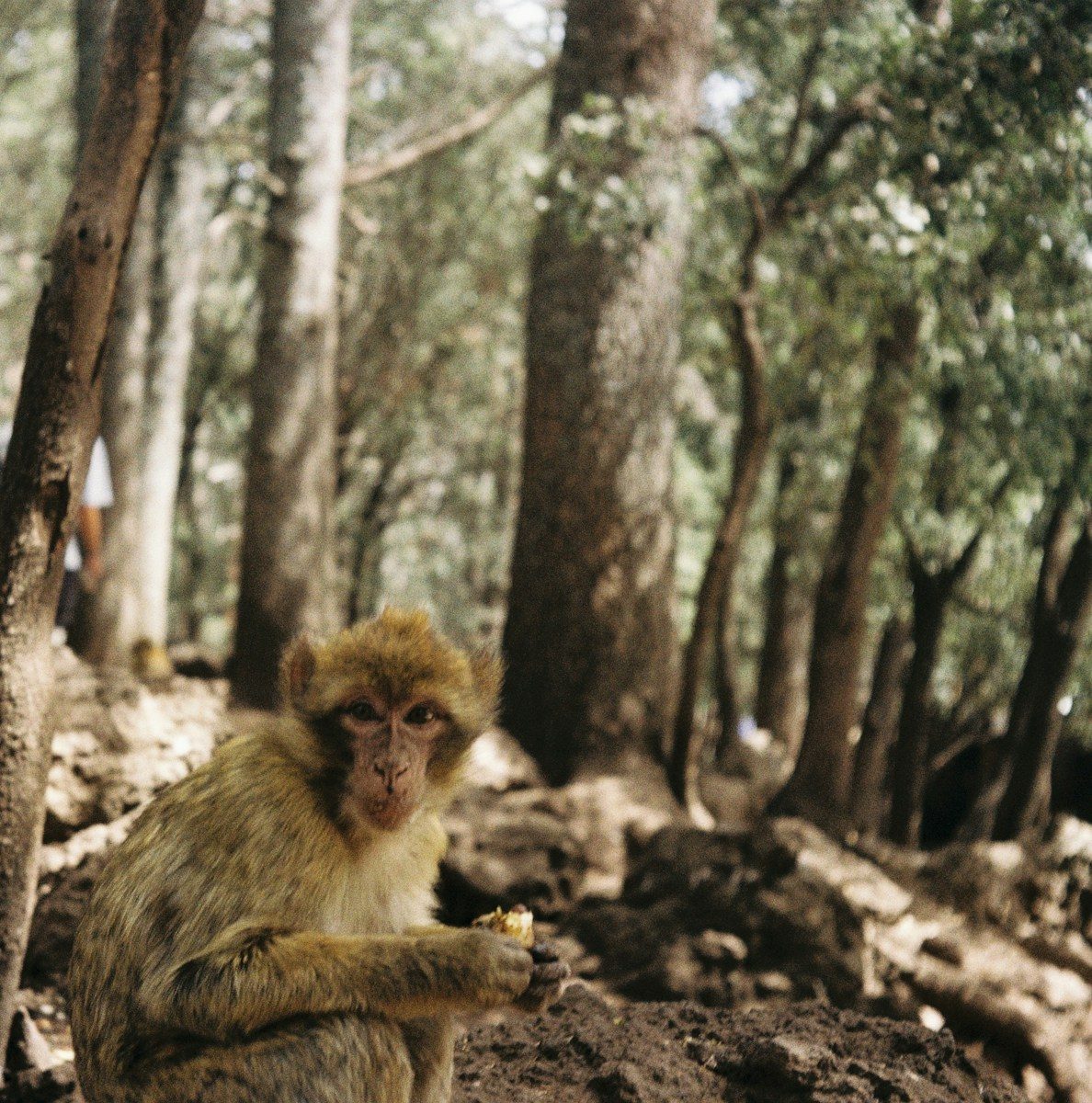
The Atlas hosts unique wildlife, including the endangered Barbary macaque, wild boar, and various bird species. Nature lovers may be surprised by how rich the biodiversity is. If you want to capture these fleeting encounters, you should check out this lightweight mirrorless camera for the trail to travel light without missing the shot.
6. Movies and TV Shows Were Filmed Here
From Gladiator to Game of Thrones, the Atlas Mountains’ dramatic landscapes have starred in Hollywood films. Aït Ben Haddou, a fortified village at the edge of the High Atlas, is one of the most famous filming sites. Long days exploring these sun-baked backdrops go easier when you protect your eyes with a good pair of UV-protective sunglasses.
7. It’s a Gateway Between Two Worlds
The Atlas Mountains form a natural barrier between Morocco’s green, fertile plains to the north and the Sahara Desert to the south. Crossing them feels like entering an entirely new world. Some visitors like to carry a lightweight travel backpack to keep their essentials handy as the landscape shifts from mountains to sand. To ease into the range for the first time, you can book a day tour to the Imlil Valley.
Discovering the Morocco Atlas Mountain
The Morocco Atlas Mountain is so much more than a scenic day trip—it’s a land of culture, adventure, and surprises. Whether you’re trekking Toubkal, meeting Amazigh families, or simply taking in the dramatic views, the Atlas will leave you with a deeper appreciation of Morocco’s diversity.








Share your thoughts with us! Leave a Comment!