

Our first Morocco trip felt like stepping into another world—colorful souks, desert sunsets, and the warm hospitality of locals. But we also learned a lot along the way: when trains actually run on time, how to avoid scams in the medina, and what to pack for desert nights. If you’re planning Morocco travel in 2026, this guide pulls together everything you need to know before you go.
Get To Know The Traveling Taylors!
Entry Requirements and Visas
- Visa-Free Countries: Travelers from the US, UK, EU, Canada, Australia, and many others can visit Morocco visa-free for up to 90 days.
- Passport Validity: Make sure your passport is valid for at least 6 months beyond your travel dates.
- Extensions: Longer stays require applying at a Moroccan immigration office.
💡 Tip: Always carry a printed copy of your passport—many hotels and riads request it at check-in. To keep the original safe while you move around, a lot of travelers tuck their documents into a hidden RFID-blocking money belt like this one.
Best Time for Morocco Travel
- Spring (March–May): Ideal temperatures for cities and the desert.
- Autumn (Sept–Nov): Comfortable weather, fewer crowds.
- Summer (June–Aug): Hot inland, cooler on the coast—great for Essaouira and Agadir. When exploring in hot weather, many travelers stay cool with a powerful rechargeable handheld fan like this one, providing a refreshing breeze that’s perfect for sightseeing, outdoor attractions, and long days in the sun.
- Winter (Dec–Feb): Cold nights in the desert and mountains, mild in cities.
Traveler Tip: If visiting during Ramadan, expect shorter business hours during the day and lively nights after sunset. For chilly desert and mountain evenings, it is worth packing a set of thermal base layers like these to stay comfortable after dark.
Money and Currency
- Currency: Moroccan Dirham (MAD).
- Exchange: Bring cash to exchange at banks or ATMs—airport rates are usually worse.
- Cards: Credit cards are widely accepted in cities but less so in rural areas. Always carry small bills for taxis, tips, and souks.
💡 Tip: Avoid paying in foreign currency—even if vendors offer, the exchange rate is never in your favor. To keep your cards and dirhams organized on the go, you might like a slim RFID-blocking wallet like this one.
Transportation in Morocco
- Trains: Comfortable and reliable, especially between Casablanca, Rabat, Fes, and Marrakech.
- Buses: CTM and Supratours are the most trustworthy for long-distance routes.
- Taxis: Petit taxis for short city rides (always ask for the meter), grands taxis for longer trips.
- Flights: Domestic flights save time if you’re covering big distances (e.g., Marrakech to Tangier).
🚗 Road Trip Note: Renting a car is possible but driving in cities can be chaotic—better for rural trips. If you do rent, a hands-free phone mount like this one makes following GPS on rural roads much safer.
Safety: Is Morocco Safe for Travel?
Yes—Morocco is safe for travelers with common-sense precautions: For extra peace of mind in crowded souks or after dark, some visitors like to carry a small personal safety alarm like this one.
- Watch for pickpockets in busy souks. When visiting crowded areas and to avoid being the victim of petty theft or pickpocketing, many travelers recommend a secure hands-free travel money belt & passport holder with protective RFID lining like this that discreetly hugs their bodies, allowing them to carry their essentials without attracting unwanted attention.
- Decline unofficial guides politely.
- Dress modestly, especially in rural or religious areas.
- Women may encounter street harassment—traveling in groups or guided tours helps.
Must-See Morocco Travel Destinations
- Marrakech: Bustling souks, palaces, and Jemaa el-Fnaa square. To get your bearings without getting lost, you can book a guided medina and souks walking tour.
- Chefchaouen: The Instagram-famous blue city in the Rif Mountains.
- Fes: Ancient medina, tanneries, and centuries-old madrasas. To navigate the labyrinth of alleys with context, you can join a guided Fes medina walking tour.
- Sahara Desert: Camel treks and desert camps in Merzouga or Zagora. For the classic dune experience, you can reserve an overnight camel trek from Merzouga.
- Essaouira: Relaxed coastal town with art, seafood, and ocean views.
- Atlas Mountains: Treks, villages, and Mount Toubkal adventures.
- Casablanca: Home to the stunning Hassan II Mosque.
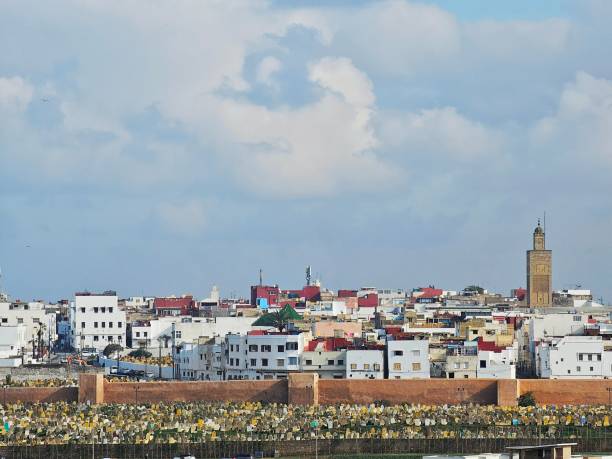
- Rabat: The capital’s Kasbah of the Udayas and Hassan Tower.
What to Pack for Morocco Travel
- Lightweight, modest clothing (cover shoulders and knees).
- A scarf (for sun protection or visiting religious areas). Many women travelers recommend a lightweight, breathable, floral scarf like this that is comfortable to wear year-round, easily folds into a compact size for travel, can be styled as a neck scarf, elegant shawl, or sun-protective wrap.
- Layers for desert nights and mountain trips.
- Reusable water bottle with filter. Staying hydrated during long sightseeing days is important, so many travelers carry a collapsible water bottle like this one that folds flat when it’s empty.
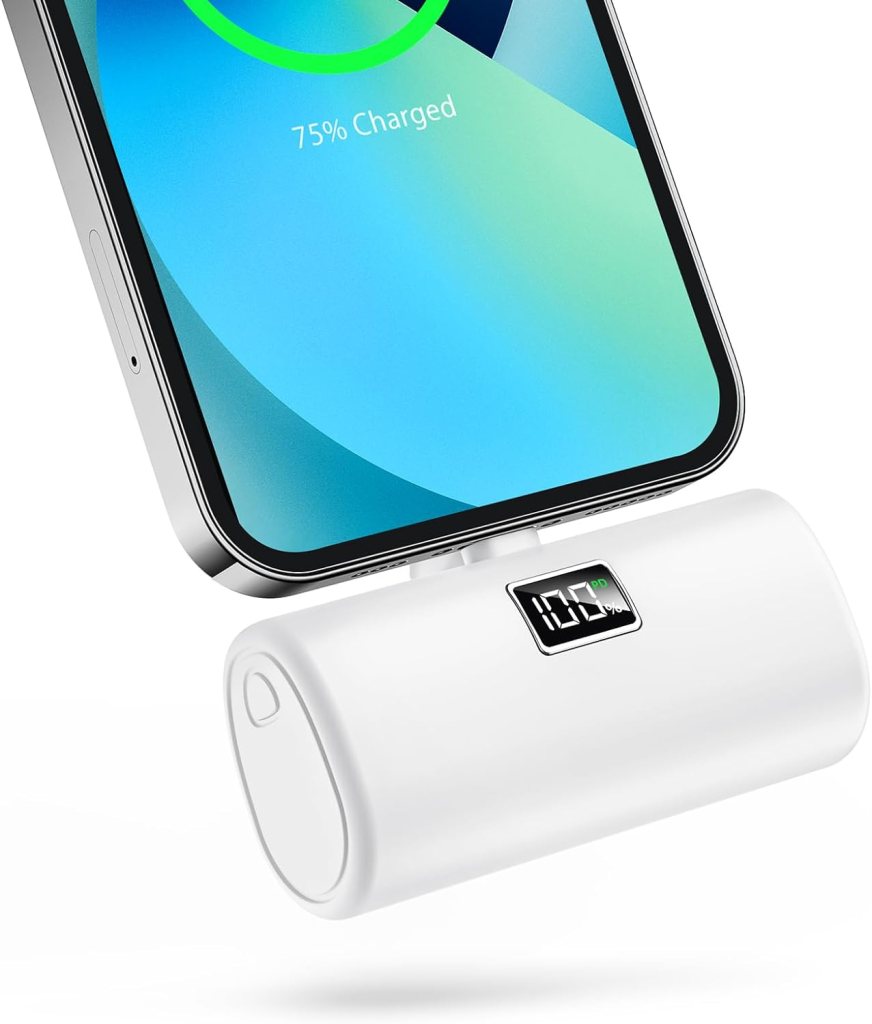
- Portable charger—power outlets can be scarce when traveling. Some travelers also carry a mini portable charger like this one in their pocket or bag so they always have backup battery power for maps, photos, and ride apps.
Morocco Travel
Morocco offers an unforgettable mix of culture, landscapes, and traditions. With the right preparation—understanding visas, money, transport, and safety—you’ll be ready to dive into the chaos of the medinas, the calm of the desert, and everything in between. Morocco travel is all about balance: plan the essentials, but leave room for spontaneity.






Share your thoughts with us! Leave a Comment!