
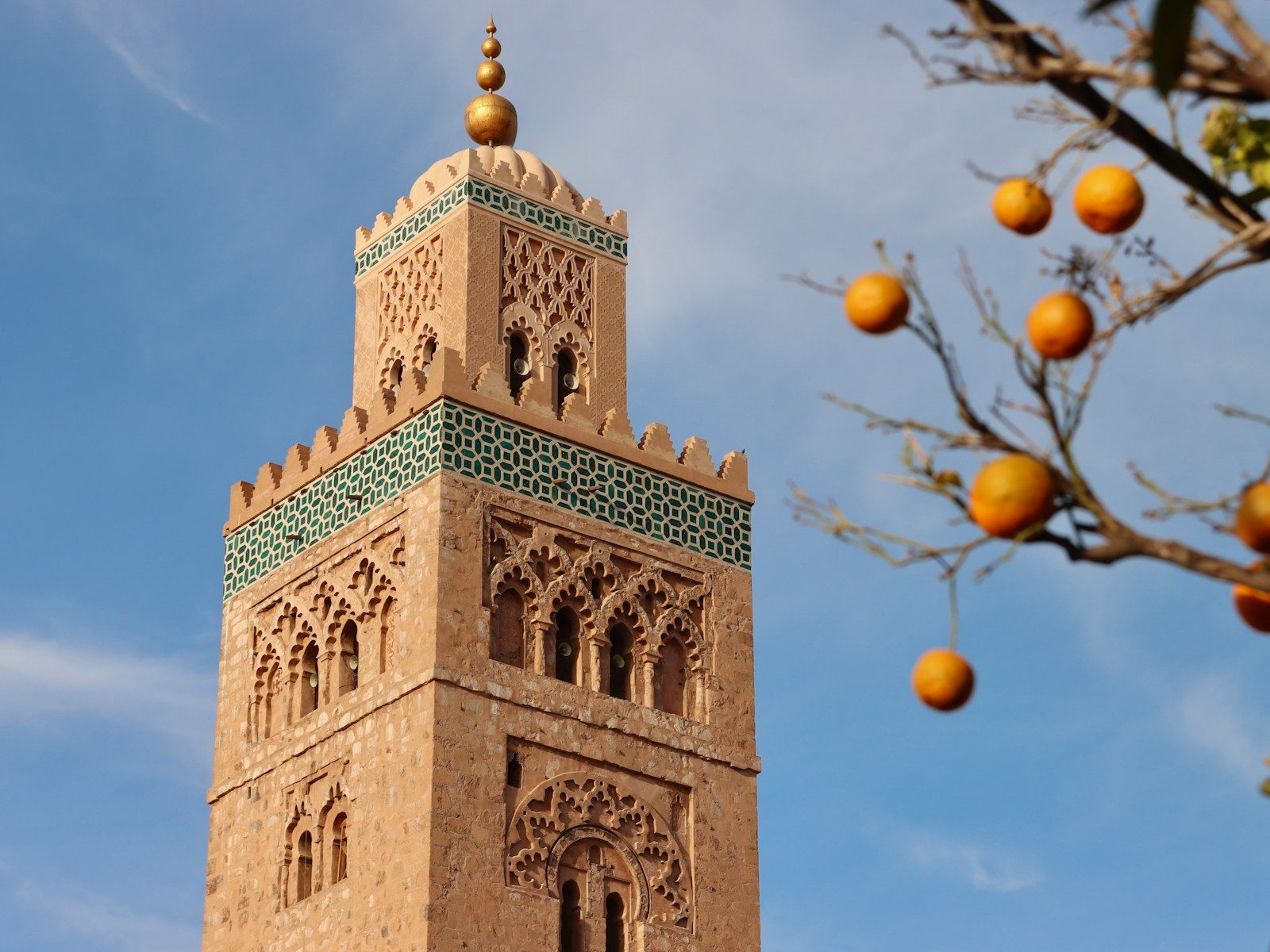
When we visited Morocco, one of the most fascinating parts of our experience wasn’t just the souks or landscapes—it was seeing how religion shapes daily life. Morocco religion is more than just belief; it’s a rhythm that influences food, culture, traditions, and even travel schedules. Here’s what you need to know before you go.
Get To Know The Traveling Taylors!
Islam: The Main Religion of Morocco
Over 99% of Moroccans are Muslim, making Islam the foundation of Morocco’s cultural and social life. The majority are Sunni Muslims following the Maliki school of thought.
What This Means for Travelers:
- You’ll hear the call to prayer (adhan) five times a day.
- Fridays are the main prayer day, so expect busier mosques and slower mornings.
- Religious holidays like Ramadan and Eid al-Adha impact daily schedules, food availability, and travel.
If you like to document these cultural moments discreetly and hands-free, a tiny wearable POV camera like this one lets you capture the atmosphere without drawing attention.
Daily Life Shaped by Religion
Morocco religion plays a practical role in daily routines:
- Food & Drink: Pork is rare, and alcohol is limited. Halal food is the standard. Trying new foods while traveling is part of the experience, and a portable electric toothbrush and water flosser combo like this one can help keep your teeth clean after long days of dining out.
- Dress Code: While Morocco is less strict than some Muslim countries, modest clothing is appreciated, especially in rural areas or religious sites.
- Greetings: Phrases like “Inshallah” (God willing) or “Alhamdulillah” (praise be to God) are woven into everyday conversation.
Ramadan in Morocco
If you travel during Ramadan, you’ll notice big changes:
- Daytime: Restaurants close, and many locals fast from sunrise to sunset.
- Evening: Streets come alive after the fast is broken with iftar meals.
- Travel Tip: Be respectful—avoid eating or drinking in public during fasting hours.
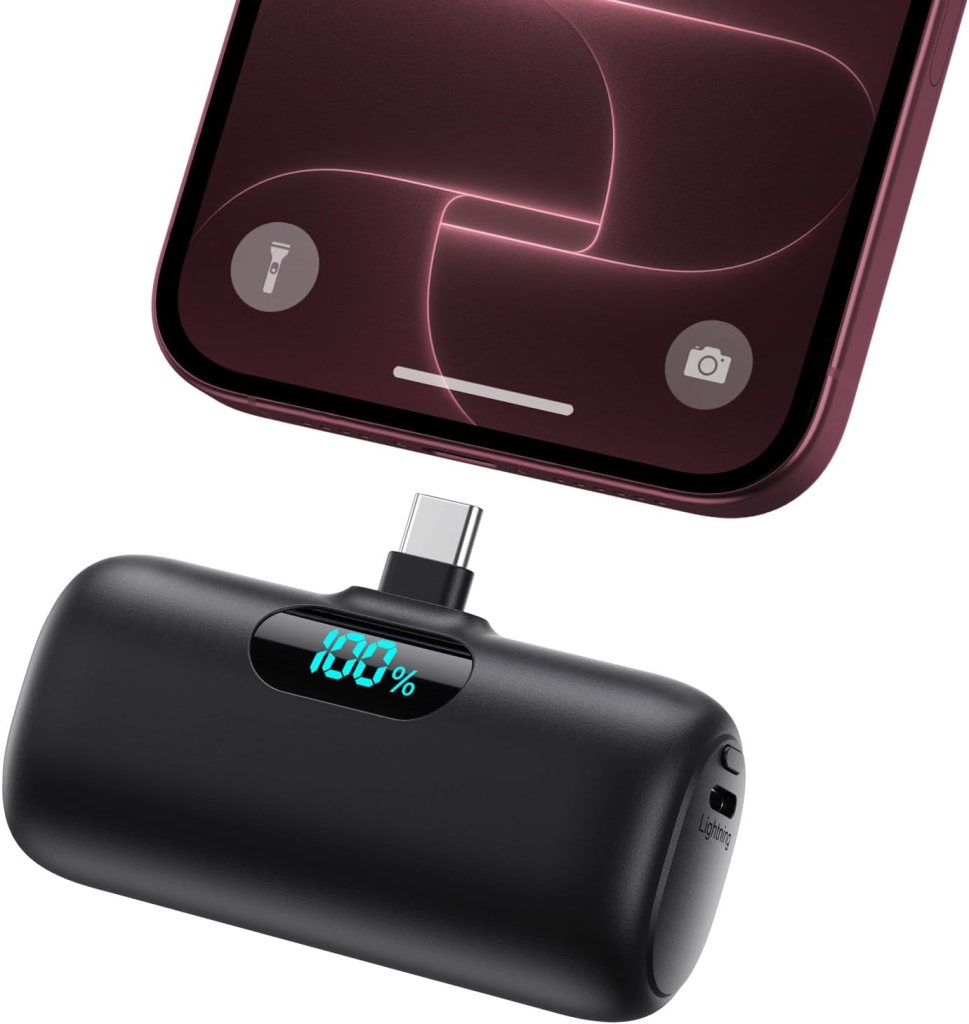
💡 Bonus: Ramadan is an incredible time to experience Moroccan hospitality—many families invite travelers to share iftar. Because those festive evenings can stretch late into the night, many visitors keep a portable power bank like this INIU model on hand so a dead phone never cuts the celebration short.
Other Religious Communities in Morocco
Though Islam dominates, Morocco has a rich religious history:
- Judaism: Morocco was once home to one of the largest Jewish populations in North Africa. Today, Jewish heritage can still be seen in synagogues and historic quarters in Fes, Marrakech, and Casablanca.
- Christianity: A small Christian community exists, mostly expats and sub-Saharan Africans. Churches can be found in major cities.
Respectful Etiquette for Travelers
To connect positively with Morocco people, keep these in mind:
- Always ask before entering a mosque—most are closed to non-Muslims, except for landmarks like Hassan II Mosque in Casablanca.
- Dress modestly when visiting religious or rural areas.
- Avoid public displays of affection.
- Use your right hand for eating, greeting, and giving gifts—it’s considered more respectful.
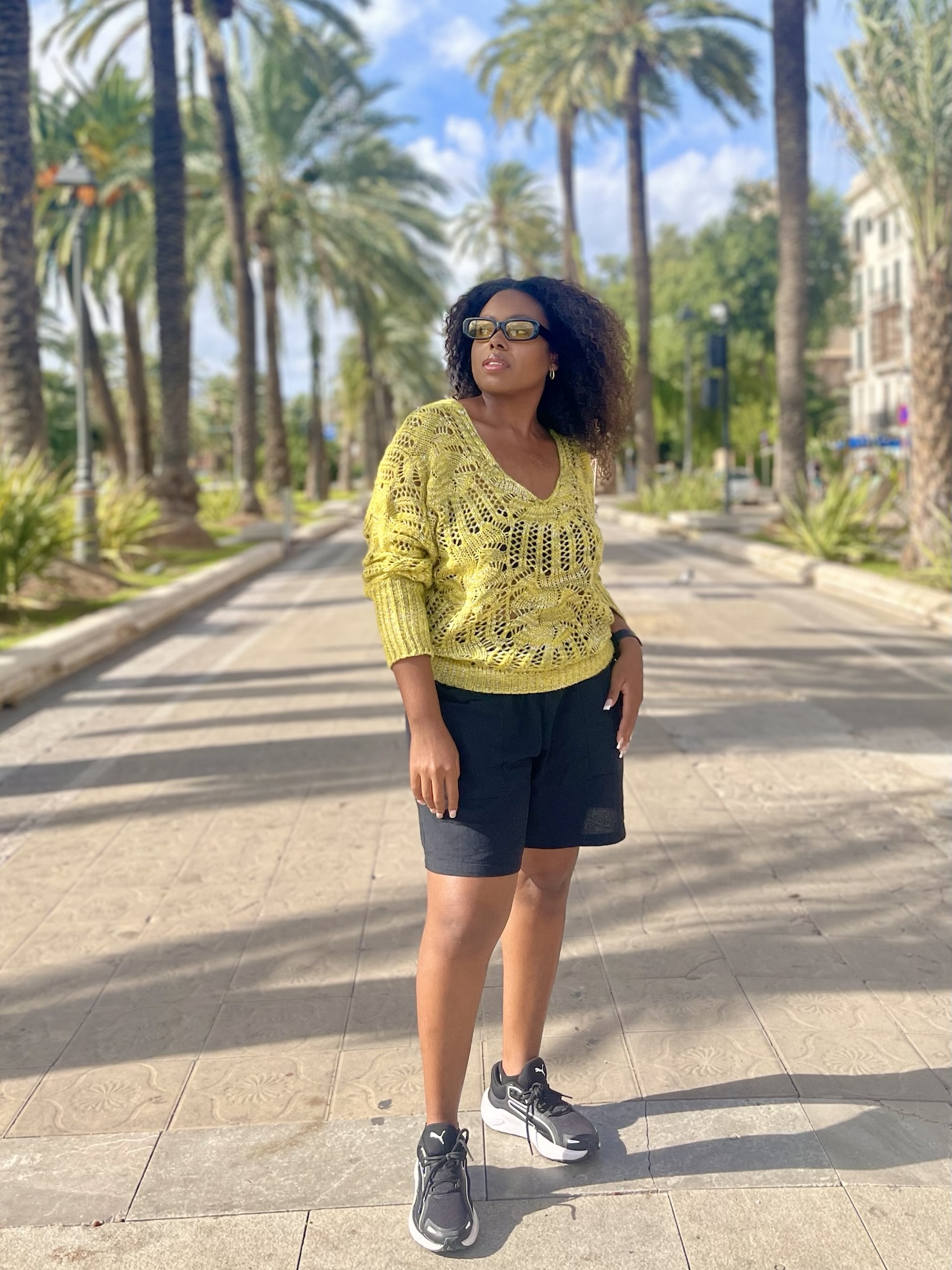
Since exploring mosques, medinas, and historic religious quarters often means hours on your feet across uneven ground, a pair of supportive walking sneakers like these will keep you comfortable throughout the day.
Understanding Morocco Religion as a Traveler
Morocco religion is central to the country’s identity, shaping traditions, hospitality, and everyday life. By understanding the role of Islam and respecting cultural norms, you’ll gain deeper insights into Morocco and connect more meaningfully with its people.
For more on the customs, warmth, and social etiquette you’ll encounter, read our guide on Morocco People: What Travelers Should Know Before Visiting.






Share your thoughts with us! Leave a Comment!