

When we visited Morocco, one of the first things we noticed wasn’t just the sights and sounds—it was the people. From young students sipping coffee in Casablanca to Amazigh women weaving rugs in the Atlas Mountains, Morocco’s population is as diverse as its landscapes. To really understand the country, you need to understand its people—their numbers, their heritage, and how their culture continues to evolve.
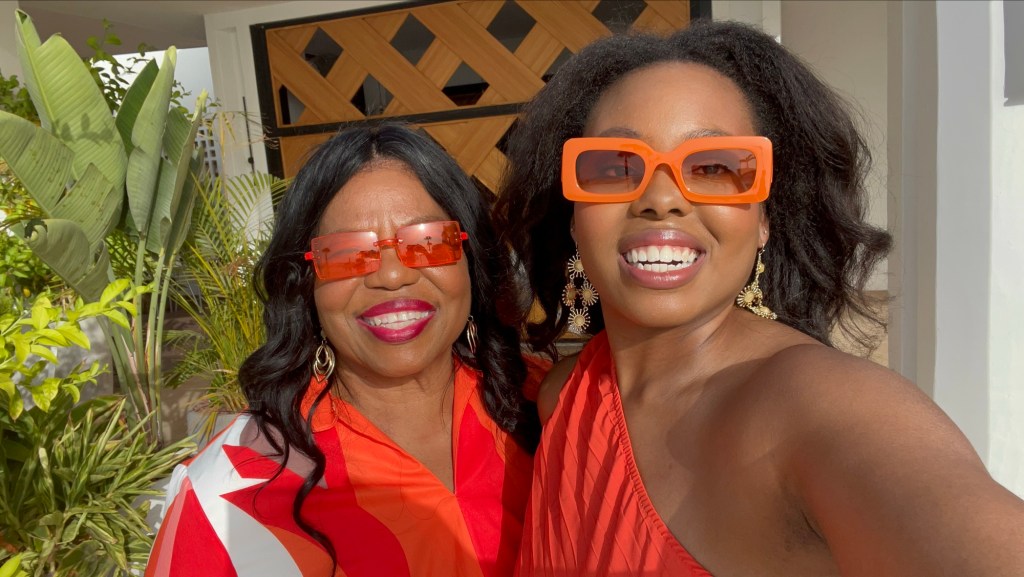
Get To Know The Traveling Taylors!
How Big Is the Morocco Population?
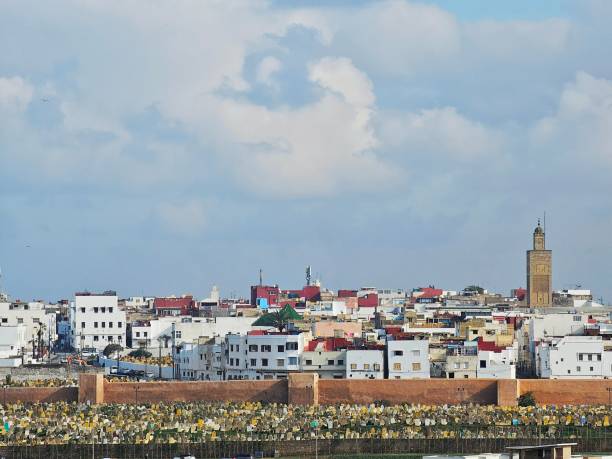
As of 2026, Morocco’s population is estimated at just over 38 million people. The majority—around two-thirds—live in urban areas like Casablanca, Rabat, Fes, and Marrakech. This urban shift is reshaping daily life, from housing and transportation to education and employment. If you’re getting ready to explore these cities yourself, it helps to pack a universal travel adapter like this one because Morocco runs on EU-style outlets.
💡 Quick Fact: Morocco’s median age is around 29 years old, making it a young, dynamic population compared to many Western countries.
The Cultural Mix Within Morocco’s Population
Morocco is often described as a cultural crossroads—and its people reflect that.
- Arabs: Arriving centuries ago, they make up a large portion of Morocco’s population, contributing language, religion, and cultural traditions.
- Amazigh (Berbers): Indigenous to North Africa, Amazigh communities continue to preserve their own language and customs, especially in the Atlas Mountains and rural areas.
- Other Influences: With its position between Europe and Africa, Morocco’s population also carries Spanish, French, and Sub-Saharan African influences.
🌍 Fun Fact: Many Moroccans are multilingual, switching easily between Darija Arabic, French, Amazigh, Spanish, and English in daily life.
Travelers who love documenting all that variety often bring along a lightweight mirrorless camera like this to capture faces, crafts, and street scenes.
Population Growth and Change
Morocco’s population is still growing, but at a slower pace than in the past.
- Fertility Rate: Around 2.2 children per woman—close to replacement level.
- Urbanization: Each year, more families move from rural villages to cities, creating new cultural blends.
- Diaspora: Millions of Moroccans live abroad, especially in France, Spain, and the Netherlands—adding global perspectives that influence life back home.
What This Means for Travelers
The Morocco population’s diversity shapes every experience you’ll have as a visitor:
- In the Cities: You’ll meet young, modern Moroccans who balance tradition with global influences. Expect French menus, Darija conversations, and English sprinkled in.
- In the Mountains or Sahara: You’ll encounter Amazigh families preserving centuries-old traditions, from music and weaving to communal living.
- Across the Country: Hospitality is universal. No matter the background, Morocco people are known for their warmth and generosity.
In the packed medinas and busy city squares, many travelers feel more at ease keeping their cash and passport in a hidden money belt like this one.
Connecting with Morocco’s People
To get the most out of your trip, engage with locals:
- Learn a few words of Darija or French.
- Respect cultural traditions, especially in rural communities.
- Be curious—ask about family, food, or local customs. On those long days out and about interacting with the Moroccan people, a portable power bank like this one keeps your phone and camera ready for every moment.
💡 Traveler Tip: A simple “Shukran” (thank you) or “Salam” (hello) can open doors to meaningful conversations.
Morocco Population as a Cultural Mirror
The Morocco population isn’t just a number—it’s a living reflection of the country’s history, diversity, and youthful energy. Understanding the people behind the cities and landscapes adds depth to your travels. Whether you’re wandering Marrakech’s souks or sharing tea in a mountain village, Morocco’s true beauty lies in its people.
Planning your journey? Don’t miss our guides to Morocco People: What Travelers Should Know and 7 Surprising Facts About the Morocco Language.







Share your thoughts with us! Leave a Comment!