
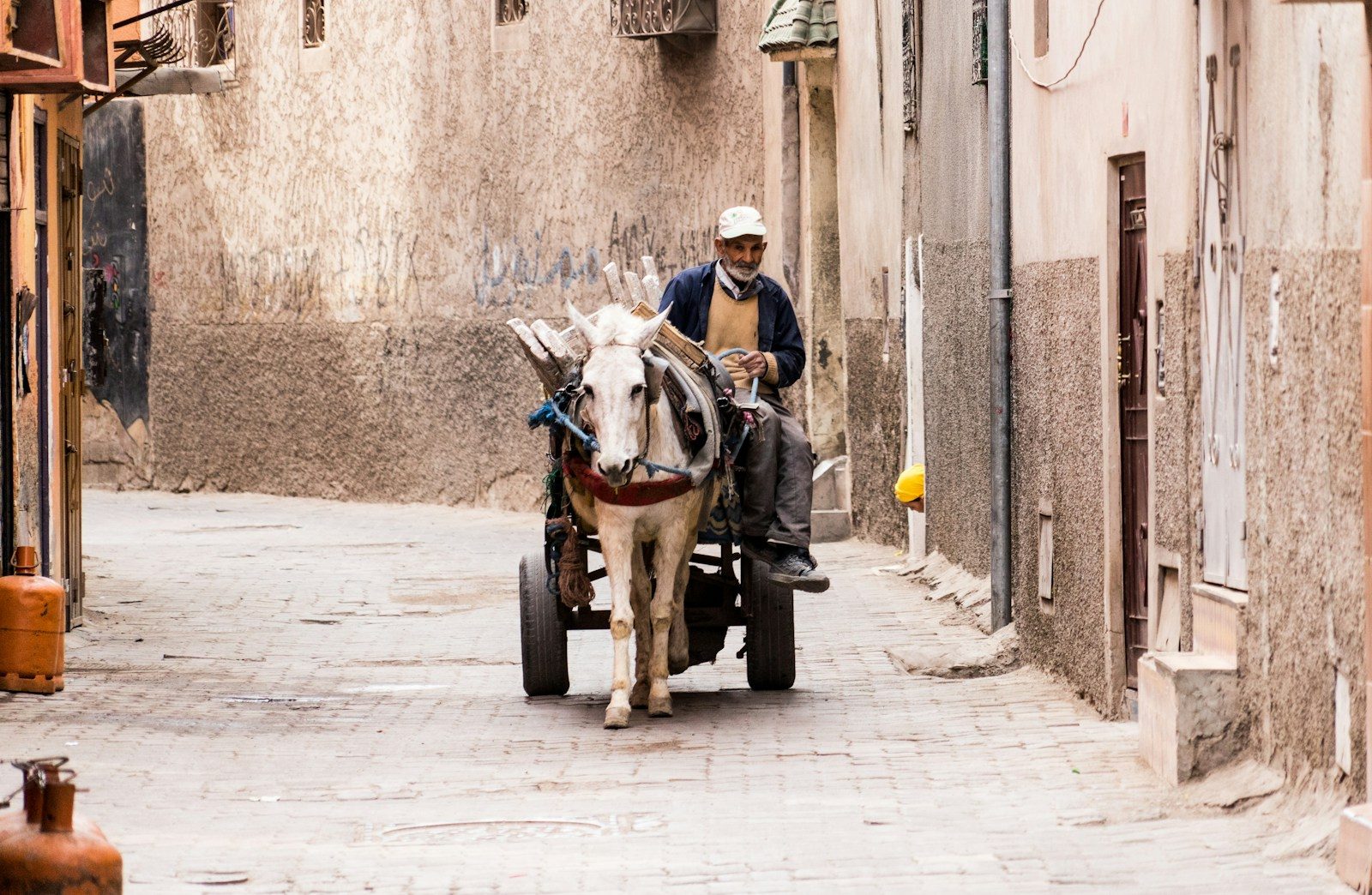
Before visiting Morocco, we heard all kinds of stories about what Morocco people were like. Some painted a picture of overwhelming hospitality, while others warned of pushy vendors or scams. After spending time in the country, we learned that, like anywhere, the truth lies somewhere in the middle. Here’s an honest look at Morocco people—their traditions, warmth, and the myths that travelers should separate from reality.
Get To Know The Traveling Taylors!
Hospitality: More Than Just Mint Tea
One of the first things you’ll notice about Morocco people is their generosity. Hospitality isn’t just a cultural nicety—it’s a way of life.
- Expect to be offered mint tea in shops, homes, or even while waiting for a bus.
- Guests are treated with honor, whether staying in a family home or a riad.
- Refusing kindness without explanation can be considered impolite.
As you wander from a shopkeeper’s doorway to a family riad, it helps to keep your phone easy to reach, and many travelers rely on a secure phone holder like this one to follow directions between invitations.
💡 Reality Check: Not every free cup of tea comes with strings attached. Sometimes it’s a sales tactic, yes, but often it’s a genuine gesture of welcome.
Traditions That Still Shape Daily Life
Morocco people live in a balance between tradition and modernity.
- Family Comes First: Extended families often live together, and respect for elders is key.
- Religion Matters: Islam shapes daily rhythms, from the call to prayer to Ramadan.
- Community Life: In rural areas, neighbors function like extended family.
When you’re out meeting locals in busy medinas, a discreet hidden RFID-blocking money belt like this lets you relax and focus on the connection.
Traveler Tip: Observing these traditions—like dressing modestly or showing respect to elders—earns instant appreciation.
The Myths About Morocco People
Travelers often arrive with misconceptions. Let’s set the record straight:
- Myth 1: Moroccans are pushy in the souks.
Truth: Bargaining is part of the culture, but most vendors back off if you smile and politely decline. - Myth 2: Women shouldn’t travel alone in Morocco.
Truth: Solo women travelers do face more attention, but with modest dress and street smarts, it’s no riskier than many other destinations. Even though Morocco is widely regarded as a safe and welcoming destination, many solo women travelers choose to carry a compact personal safety alarm like this one for added peace of mind while exploring the city’s historic streets, attractions, and walking routes. - Myth 3: Everyone speaks Arabic only.
Truth: Morocco people are often multilingual—switching easily between Darija, French, Amazigh, Spanish, and English.
The Many Faces of Moroccan Identity
Morocco people are not a monolith. Their diversity is part of what makes the country so fascinating.
- Amazigh (Berber) Heritage: Indigenous to North Africa, proud of their traditions and language.
- Arab Influence: Woven into Morocco’s religious and cultural fabric.
- Global Connections: Diaspora communities and tourism add layers of openness and adaptability.
If you love capturing candid street life and the people you meet along the way, a lightweight mirrorless camera like this one makes it easy to document those moments respectfully.
How to Connect Authentically with Morocco People
- Learn a few words of Darija or French—locals love the effort.
- Accept hospitality when offered—it’s a sign of respect.
- Be curious but respectful—ask about traditions, family, or food.
- Always ask before taking someone’s photo.
Because Morocco runs on EU-style outlets, some visitors like to pack a universal travel adapter such as this one so their devices stay charged wherever they’re welcomed in.
The Real Morocco People
Morocco people are welcoming, proud of their culture, and deeply connected to tradition—yet also adaptable and modern. Yes, you may run into a pushy vendor or a scam, but that doesn’t define the country. Approach Moroccans with openness and respect, and you’ll discover that the most memorable part of your trip won’t be the landscapes or the food—it’ll be the people.
Want to better understand Moroccan culture? Don’t miss our guide to Morocco Language Guide.








Share your thoughts with us! Leave a Comment!