

Before our first trip to Morocco, we heard plenty of conflicting advice about religion in the country. Some said it was strict and conservative; others described it as relaxed and welcoming. The truth? Morocco religion—mainly Islam—is deeply rooted in daily life, but it’s also practiced in a way that blends tradition with modernity. Here’s a breakdown of common myths versus the reality travelers will actually encounter.
Get To Know The Traveling Taylors!
Myth 1: Morocco Is a Strict, Conservative Muslim Country
Reality: Morocco is majority Muslim, but compared to many countries, it practices Islam with balance. While faith shapes daily life, Morocco is also influenced by Europe and global tourism. Women wear everything from hijabs to jeans, and big cities feel cosmopolitan while rural villages stay more traditional. Since Morocco uses EU-style outlets, it’s worth tucking a universal travel adapter like this one into your bag before you go.
Myth 2: Non-Muslims Aren’t Welcome
Reality: Hospitality is central to Moroccan culture. Travelers of all faiths—or no faith—are welcome. While most mosques are closed to non-Muslims, landmarks like Hassan II Mosque in Casablanca are open to visitors, and locals are often happy to explain religious customs. If you want to capture the mosque’s soaring architecture, you might bring along a lightweight mirrorless camera such as this one.
Myth 3: Everything Stops During Ramadan
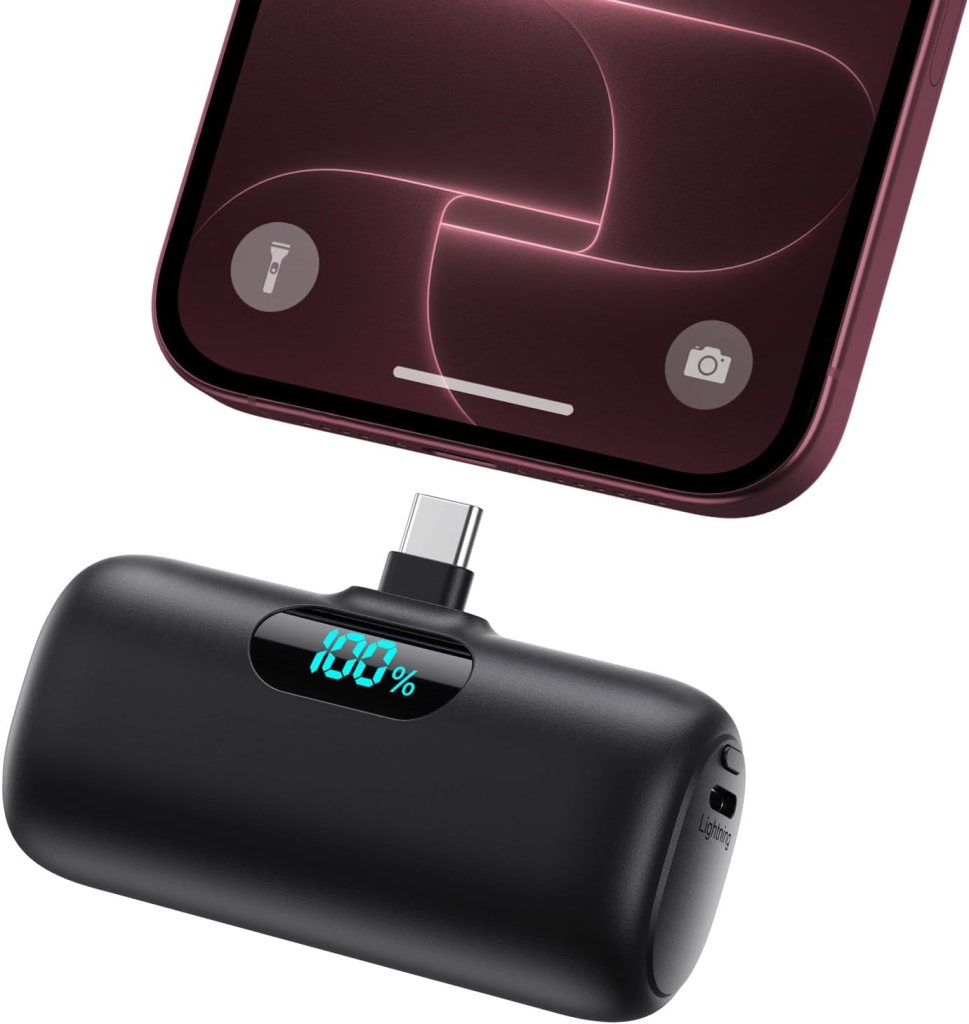
Reality: Daily life does shift—restaurants close during the day, and fasting is widely observed. But Morocco doesn’t shut down. Transportation runs, shops reopen in the evening, and the nights are festive with communal meals. Travelers are still accommodated, though it’s respectful not to eat or drink publicly during daylight hours. With so much happening after sunset, a portable power bank like this one keeps your phone alive through those long, lively evenings.
Myth 4: Morocco Is Religiously Homogeneous
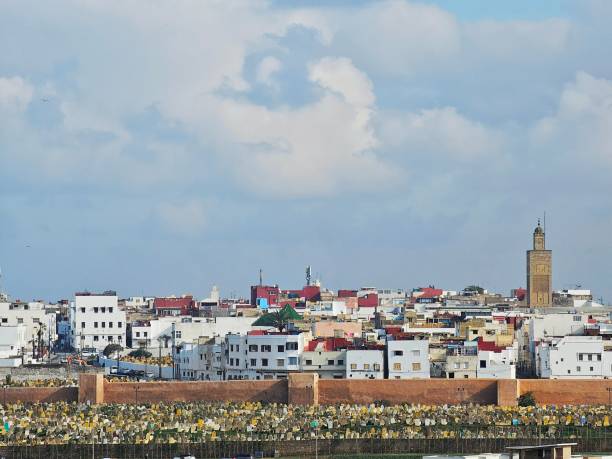
Reality: While Islam dominates, Morocco has a rich religious history. Jewish communities flourished here for centuries, leaving behind historic synagogues and cemeteries. There are also Christian communities, especially among expats and sub-Saharan Africans in cities like Casablanca and Rabat. Many visitors like to record these historic sites hands-free, and a smart face-tracking phone tripod like this is handy for that.
Myth 5: Religion and Culture Are Separate
Reality: In Morocco, religion and culture are intertwined. From daily greetings (“Inshallah” – God willing) to communal prayers, religion weaves through everyday life. Festivals like Eid al-Adha and Ramadan iftars bring families and communities together. Even Moroccan art, music, and architecture reflect spiritual influences.
What Travelers Should Keep in Mind
To connect respectfully with Morocco people, it helps to understand the role of religion:
- Dress modestly, especially in rural or religious settings.
- Always ask before photographing people. If given permission, many travelers love to use an instant camera like this one and print photos on the spot. You can also share the pictures with the people.
- Be mindful of prayer times, especially during Friday afternoons.
- Accept hospitality—it’s often tied to faith and community values.
Morocco Religion in Reality
The truth about Morocco religion is that it’s both deeply traditional and open to the outside world. Islam is central to daily life, but practiced in a way that balances spirituality, culture, and hospitality. For travelers, that means respecting customs while enjoying the warm welcome Moroccans extend to visitors of all backgrounds.
Want to learn more about Moroccan culture? Explore our guides on Morocco People: What Travelers Should Know and 7 Surprising Facts About the Morocco Language.






Share your thoughts with us! Leave a Comment!