
When we planned our trip to Eswatini, yellow fever was one of the first health questions we had. Did we need the vaccine? Would border officials check? Along the way, we learned the truth—not just about yellow fever rules, but also about other health essentials travelers often overlook. Here’s what we discovered.
Get To Know The Traveling Taylors!
1. Yellow Fever Rules for Eswatini
- You only need proof of yellow fever vaccination if you’re arriving from (or transiting through) a risk country.
- Coming from South Africa, the US, or Europe? No yellow fever certificate required.
- If you do need it, bring the International Certificate of Vaccination (the “yellow card”).
💡 Travel Lesson: We met fellow travelers from Brazil who were asked for their yellow card at the border—so double-check your transit route.
2. Malaria Awareness
E-Swatini has malaria risk in the lowveld areas, especially near the Mozambique border.
- We packed mosquito repellent and took antimalarial medication as advised. We carried insect repellent towelettes like these to help keep mosquitoes and other bugs away to reduce the risk of cotracting malaria.
- In Mbabane and the highveld, the risk is very low.
3. Water and Food Safety
- Tap water isn’t always treated to international standards.
- We stuck to bottled or filtered water and avoided ice in rural areas. We also carried a collapsible water bottle like this one filled with filtered water when we were out on long sightseeing days.
- Street food was safe when it was hot and freshly prepared. After enjoying local cuisine or street food, many travelers like using a travel-size mouthwash like this one to keep their breath fresh throughout the day.
4. Other Vaccines Worth Considering
Even if yellow fever isn’t required, it’s smart to check:
- Tetanus & Hepatitis A: Useful for most travelers.
- Typhoid: If you plan to eat adventurously in rural spots.
- Routine Shots: Keep your basics (like measles and polio) up to date.
5. Health Facilities and Emergencies
- In cities like Mbabane and Manzini, clinics and hospitals are available.
- In rural areas, facilities are limited—travel insurance with evacuation coverage is a must.
- Pharmacies are easy to find in towns, but bring your own medications just in case.
6. Staying Healthy Day-to-Day
We found that small habits went a long way:
- Washed hands often or used sanitizer. Many travelers stay fresh and protected while traveling with a moisturizing hand sanitizer gel like this that kills 99.99% of common germs.
- Carried rehydration salts for long hikes. In addition to staying hydrated, if you are going to be outside for hours visiting landmarks and viewpoints, bringing UV-protective sunglasses like these can help keep your eyes comfortable throughout the day.
- Slept under mosquito nets when available.
Health Prep for Eswatini
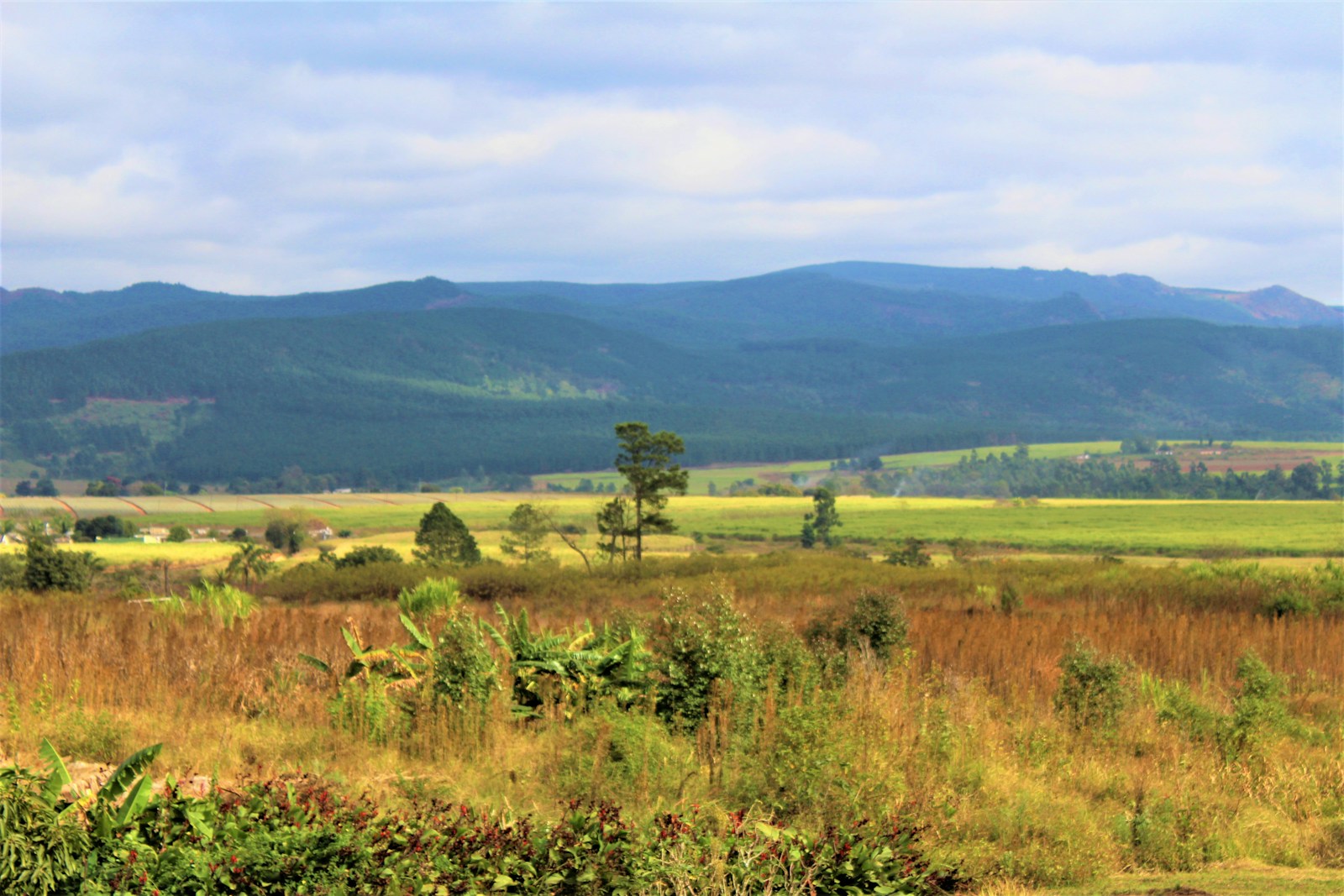
Yellow fever might be the most common question, but it’s just one piece of the puzzle. With the right vaccines, malaria precautions, and a few smart habits, traveling in Eswatini felt safe and easy. Our advice? Sort out your health prep early so once you arrive, you can relax and focus on the safaris, culture, and mountain views that make this kingdom unforgettable.
Related guides: For the official entry rules, see our guide to Eswatini yellow fever requirements, and check our overview of whether Eswatini is safe to travel before you go.











Share your thoughts with us! Leave a Comment!