
When planning a South African safari, two names often rise to the top: Kruger National Park and Hluhluwe-Imfolozi Game Reserve. Both offer unforgettable wildlife encounters, stunning landscapes, and strong conservation histories—but they deliver very different safari experiences.
Get To Know The Traveling Taylors!
Kruger is massive and world-famous. Hluhluwe is smaller, older, and more intimate. So which one should you choose? Here’s a detailed comparison to help you decide which safari park best fits your travel style.
1. Size and Setting
Kruger National Park
- Covers nearly 19,500 square kilometers, about the size of Israel.
- Offers endless variety—rivers, bushveld, mountain ranges, and open plains.
- Easy to combine with nearby private reserves like Sabi Sands or Timbavati for luxury safaris.
Hluhluwe-Imfolozi Game Reserve
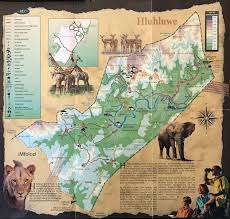
- Much smaller at 960 square kilometers, making it easier to explore in a short time.
- Located in the KwaZulu-Natal province, about 3 hours north of Durban.
- The landscape is hilly, lush, and full of sweeping viewpoints—not the flat savanna many imagine.
Verdict: Kruger wins for size and diversity, but Hluhluwe’s compact layout offers stunning scenery and easier wildlife access. Many travelers recommend an ultimate travel action camera like this for capturing stunning photos and videos of the scenery and wildlife in incredible detail.
2. Wildlife Viewing
Kruger National Park
- Home to 147 mammal species—including the Big Five and large numbers of giraffes, zebras, and antelope.
- Excellent predator sightings—especially lions and leopards.
- More open terrain means easier spotting, especially in the southern and central regions.
Hluhluwe-Imfolozi Game Reserve
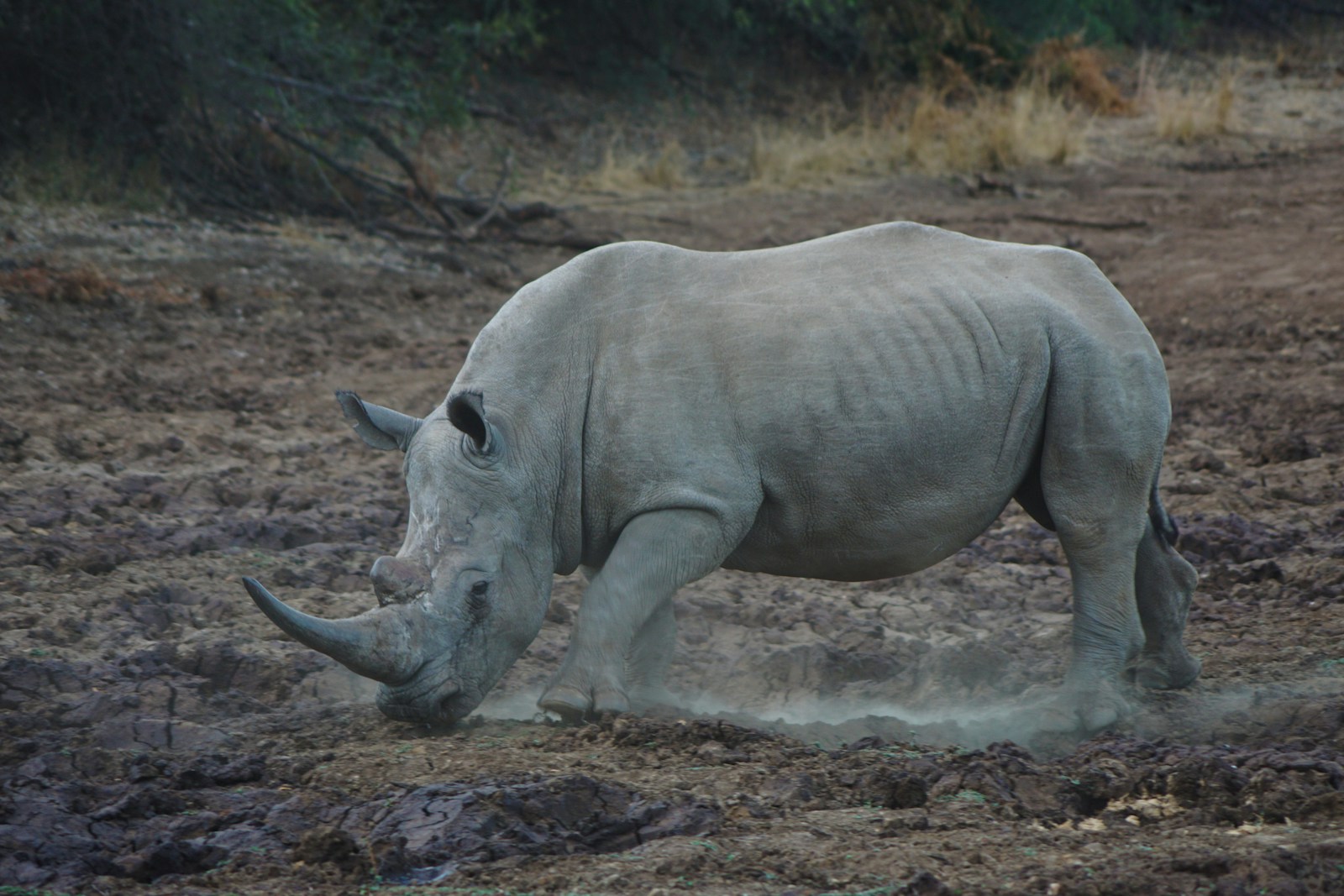
- Known as the rhino capital of Africa. Both white and black rhinos thrive here thanks to decades of conservation work.
- Also home to elephants, lions, buffalo, leopards, and cheetahs—plus over 340 bird species.
- The park’s dense vegetation makes sightings slightly more challenging but also more rewarding.
Verdict: Kruger offers broader wildlife variety, but Hluhluwe is unbeatable for rhino sightings and lush, photogenic backdrops.
Getting ready to explore either Hluhluwe or Kruger for yourself? Capturing travel memories is part of the fun, and an instant camera like this one lets you snap photos and print them right away.
3. Safari Experience & Atmosphere
Kruger National Park
- Ideal for self-drive safaris, with extensive tar roads, picnic sites, and rest camps. If you plan to self-drive, a hands-free phone mount like this one can make it much easier to follow GPS directions safely while driving.
- Expect more vehicles at popular sightings—especially in southern Kruger.
- Offers everything from budget camping to ultra-luxury private lodges.
Hluhluwe-Imfolozi Game Reserve
- Smaller, quieter, and far less crowded.
- Excellent for travelers seeking a peaceful, authentic safari without large tour groups.
- The park’s Hilltop Camp is famous for its sweeping sunset views and relaxed ambiance. When visiting famous scenic viewpoints, many travelers like bringing a compact selfie stick tripod like this one so they can easily capture photos without asking strangers.
Verdict: Hluhluwe wins for serenity and intimacy; Kruger wins for flexibility and infrastructure.
4. Accessibility & Logistics
Kruger National Park
- Easily accessible by air from Johannesburg or Cape Town (via Nelspruit or Skukuza).
- Well-developed tourist infrastructure—perfect for first-time visitors or families.
Hluhluwe-Imfolozi Game Reserve
- Located 250 km north of Durban, about a 3-hour drive via the N2 highway.
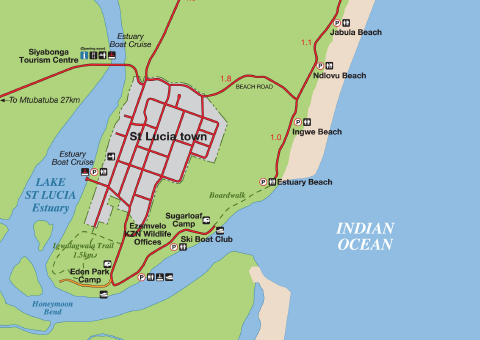
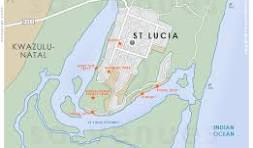
- Best visited as part of a KwaZulu-Natal itinerary, including iSimangaliso Wetland Park or St Lucia Estuary.
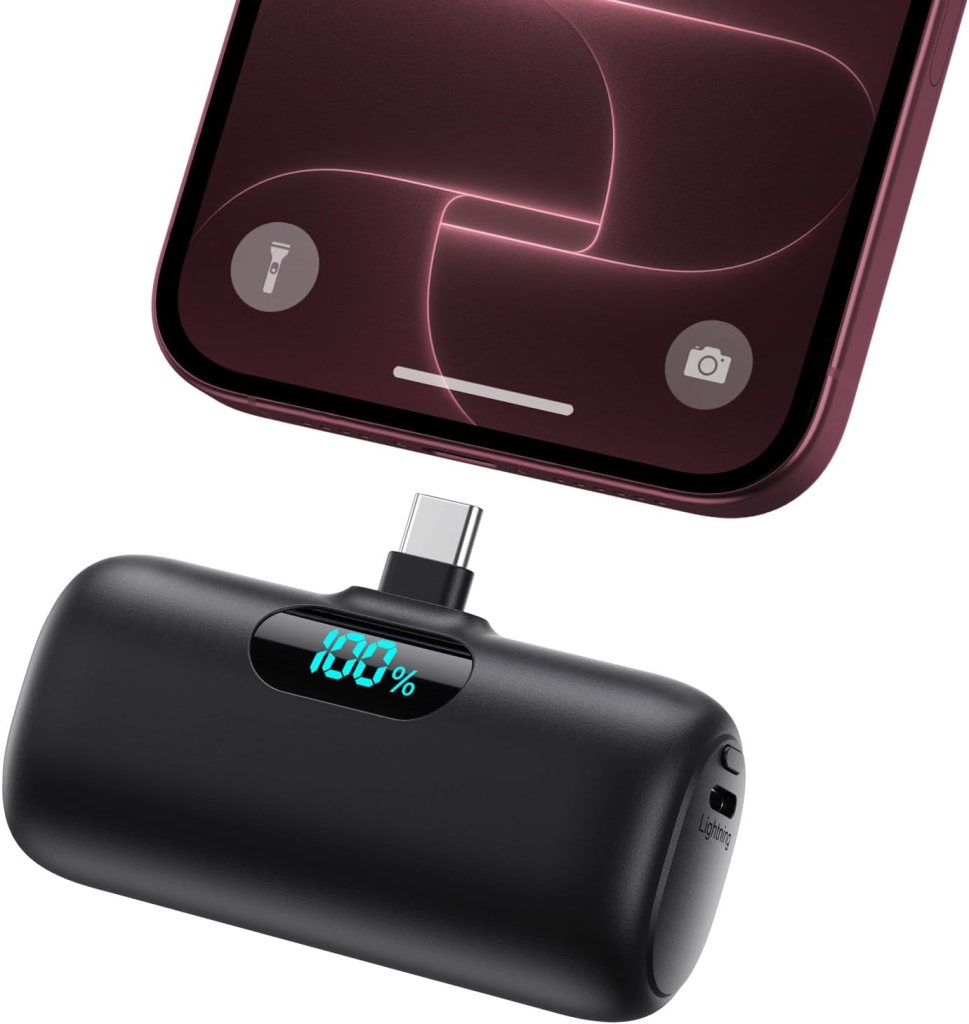
Verdict: Kruger is easier for international travelers, while Hluhluwe fits perfectly into coastal and cultural road trips through KwaZulu-Natal. For travelers who enjoy documenting their adventures, a tiny wearable camera like this one makes it easy to capture hands-free POV footage while exploring.
5. Cost & Crowds
Kruger National Park
- Offers more budget options—campgrounds, rest camps, and self-catering lodges.
- Can be crowded in peak months (June–August and holidays).
Hluhluwe-Imfolozi Game Reserve
- More exclusive and less touristy, though accommodation options are fewer.
- Entry fees and guided drives are moderately priced.
Verdict: Hluhluwe wins for travelers seeking an affordable, uncrowded safari without sacrificing quality wildlife experiences.
6. Conservation and History
Kruger National Park
- Established in 1926, Kruger is one of the world’s most iconic conservation areas.
- Plays a vital role in anti-poaching efforts and biodiversity research.
Hluhluwe-Imfolozi Game Reserve
- Founded in 1895, it’s Africa’s oldest proclaimed game reserve.
- Credited with saving the white rhino from extinction through the groundbreaking “Operation Rhino” program.
- Its conservation success story remains a global model for wildlife protection.
Verdict: Hluhluwe leads in conservation history, while Kruger shines in scale and scientific research.
7. Best Time to Visit
Both parks follow similar weather patterns:
- Dry Season (May–September): Best for game viewing—animals gather at waterholes.
- Wet Season (October–April): Lush landscapes, excellent birdwatching, and fewer tourists.
Traveler Tip: Hluhluwe’s rolling green hills look especially beautiful after the rains, while Kruger’s open plains are ideal for dry-season safaris.
Protecting your skin from the sun is essential while on safari, and many travelers rely on SPF 50 sunscreen spray like this one for quick and easy coverage.
Choosing Between Two Safari Legends
If you’re after big, bucket-list variety, Kruger National Park delivers—it’s vast, accessible, and packed with wildlife. But if you prefer a quieter, more personal safari steeped in conservation history, Hluhluwe Game Reserve might just surprise you. In the end, there’s no wrong choice—just different kinds of magic. Kruger is Africa’s grand stage; Hluhluwe is its soulful encore.
For the ultimate South African adventure? Combine both. Spend a few days exploring Kruger’s iconic savannas, then escape to Hluhluwe’s rolling hills for a safari that feels truly wild, timeless, and refreshingly human.






Share your thoughts with us! Leave a Comment!