
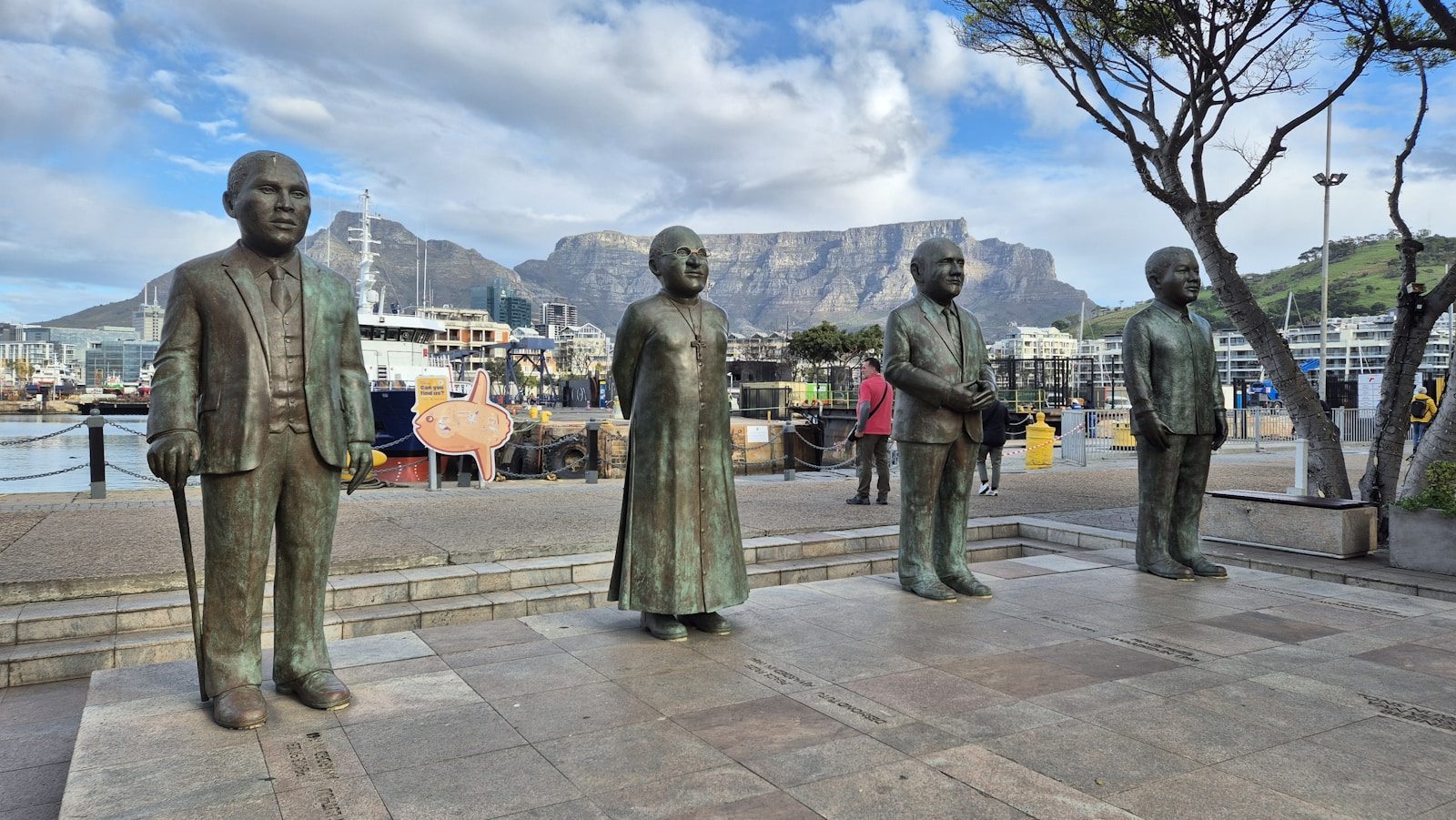
Johannesburg serves as South Africa’s main international entry point, and navigating the city requires planning and awareness. While the city has challenges, understanding neighborhoods, transportation, and safety precautions allows visitors to experience Johannesburg’s offerings safely and enjoyably. Many visitors use Johannesburg as a transit point to other destinations, but the city merits dedicated exploration time.
Get To Know The Traveling Taylors!
Getting from O.R. Tambo Airport
O.R. Tambo International Airport is Johannesburg’s main airport. The airport has improved services including ATMs, restaurants, and shops. Pre-arrange ground transportation rather than using unmarked taxis.
The Gautrain rapid transit connects the airport to central Johannesburg in about 15 minutes. Getting around the city is fairly straightforward thanks to its extensive public transportation system, and many travelers like using a secure phone holder like this one so they can easily follow navigation directions while walking or riding around.
Uber and other ride-sharing services operate from the airport. Airport transfer services offer private transportation.
The journey from airport to city takes 30-60 minutes depending on traffic. Have your accommodation address ready for reference.
Safe Neighborhoods for Visitors
Stay in established tourist areas and safe neighborhoods.
Sandton is upscale and secure with excellent shopping and dining. Rosebank offers galleries, restaurants, and nightlife in a developed area.
Braamfontein is trendy with cafes and student culture but requires standard safety precautions. Melville is bohemian with alternative venues.
The Maboneng Precinct is an arts district with galleries and restaurants.
Avoid isolated areas, particularly at night. Some travelers keep a small personal safety alarm like this one attached to their bag for extra peace of mind.
Use registered accommodation with good security. Ask locals or your accommodation for neighborhood advice.
Research neighborhood safety with updated travel guides and local recommendations.
Transportation Within the City
The Gautrain efficient rapid transit system connects major areas. Using Gautrain is safer than other public transportation. Uber and Bolt ride-sharing services are widely available and reliable.
Avoid walking alone after dark, even in safer areas. Don’t hail taxis on the street—use booked services.
Rental cars allow flexibility but driving requires comfort with local traffic patterns and left-side driving. If you plan to rent a car, a hands-free phone mount like this one can make it much easier to follow GPS directions safely while driving.
Navigate using Google Maps or similar GPS applications. Allow extra time for travel as traffic congestion is common.
Must-See Attractions
The Apartheid Museum documents apartheid history through exhibits and personal testimonies.
Soweto tours visit significant historical sites and township culture. Many visitors book a guided Soweto and Apartheid Museum full-day tour like this one to explore these landmarks with a knowledgeable local guide.
The Mandela House is where Nelson Mandela lived. Museum Africa presents the city’s history.
The Cradle of Humankind is a UNESCO site exploring human origins.
The South African Museum of Military History covers military history.
The Rand Museum presents the region’s mining history.
Book major attractions in advance, particularly tours. Document historical sites with quality cameras suited for museum and indoor photography. If you enjoy filming your travel experiences, a tiny wearable camera like this one is a great way to capture hands-free POV footage while walking through iconic locations.
If you’re visiting multiple attractions throughout the day, attaching an Apple AirTag like this one to your bag or luggage can give you peace of mind in case something gets misplaced.
Safety Tips
General safety precautions ensure worry-free exploration.
Avoid displaying expensive jewelry, cameras, or electronics. Keep valuables secured and out of sight.
Avoid walking alone, particularly at night. Stay aware of surroundings and trust instincts.
Photocopy important documents separately from originals. Register with your embassy if traveling for extended periods.
Keep emergency contact information accessible.
Travel with others when possible.
Obtain reliable local phone service or international plan.
Follow your accommodation’s advice regarding safe areas. For a deeper look at staying secure in the city, see our guide on whether Johannesburg is safe. Travel safely with comprehensive security guides and personal safety equipment. Many travelers attach a loud personal alarm keychain like this one to their bag or keys so they can easily draw attention if they ever feel uncomfortable.
Why Johannesburg Is More Than Just a Gateway City
Johannesburg is South Africa’s largest city and a vibrant gateway to the country, blending fast-paced urban energy with deep historical significance. Known as the economic hub of South Africa, Johannesburg offers travelers a mix of modern attractions, creative neighborhoods like Maboneng, and powerful cultural sites such as the Apartheid Museum that tell the story of the nation’s past. It’s also one of the most convenient starting points for trips to Kruger National Park, with excellent flight connections and road access. While the city can feel intense at first, those who explore it discover a dynamic destination filled with art, food, and a resilient spirit that makes it far more than just a stopover











Share your thoughts with us! Leave a Comment!