

When we planned our first South Africa safari, we had no idea where to start — Kruger? Private reserves? Self-drive or guided? Now, after a few trips, we’ve got you covered with this practical guide for first-timers: where to go, how to book, what to pack, and exactly how to make your safari epic.
Get To Know The Traveling Taylors!
Where to Go on a South Africa Safari
✅ Kruger National Park: South Africa’s biggest and most famous safari spot. Easy to self-drive, budget-friendly, and home to the Big Five. When visiting famous landmarks and scenic viewpoints, many travelers like bringing a compact selfie stick tripod like this one so they can easily capture photos without asking strangers.
If you’re short on time or don’t want to arrange a rental car, a guided trip is an easy way to experience Kruger straight from the city — we’d suggest this two-day Kruger National Park safari from Johannesburg, which handles transfers, game drives, and accommodation so you can just sit back and watch for the Big Five.
✅ Private Reserves: Want a luxury experience? Stay in private reserves like Sabi Sands or Timbavati (next to Kruger). They offer expert guides, off-road drives, and high chances to spot leopards and lions up close.
✅ Addo Elephant National Park: Great for elephant herds. Easy to reach from the Garden Route. Perfect if you’re combining safari with a coastal road trip. Some travelers like carrying a small personal safety alarm like this one for extra peace of mind while exploring.
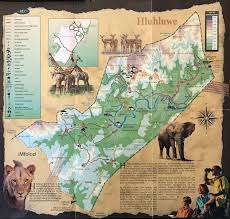
✅ Hluhluwe-iMfolozi Park: KwaZulu-Natal’s hidden gem — best for rhino sightings and less crowded than Kruger.
Best Time for a South Africa Safari
May–September (Dry Season): This is prime safari time. Dry weather means animals gather at waterholes — making them easier to spot. Days are warm, nights can get chilly. Staying hydrated during long safari days is important, so many travelers carry a collapsible water bottle like this one that folds flat when it’s empty.
October–April (Wet Season): Parks are lush and green, with baby animals and amazing birdwatching. Animals can be harder to spot in thick bush, but prices drop too!
Self-Drive vs. Guided South Africa Safari
Self-Drive Safari:
✔️ Cheaper — you just pay for park fees and your rental car.
✔️ Total freedom to explore at your own pace.
✔️ Kruger’s roads are good for regular cars.
Guided Safari:
✔️ Expert trackers know where to find wildlife.
✔️ Access to private roads and night drives.
✔️ Great for first-timers — you’ll learn so much.
Best combo? Do both! Spend a few days self-driving, then add a couple of guided game drives for deeper sightings.
Where to Stay
SANParks Rest Camps (Kruger): Budget-friendly huts or bungalows with shops, fuel stations, and braai (BBQ) spots.
Private Lodges: All-inclusive luxury stays with amazing meals, sunrise/sunset drives, and pampering extras.
Tented Camps: More rustic but immersive — fall asleep to lions roaring nearby!
Tip: Book early! Good camps and lodges fill up months in advance, especially in peak season.
How to Book a South Africa Safari
✅ For Kruger: Book park entry and camps on the SANParks website. Rental cars are easy to arrange from Johannesburg or Nelspruit. Many travelers like using a secure phone holder like this one so they can easily follow navigation directions while driving around in their rental cars.
✅ For Private Reserves: Book direct with lodges or through a trusted safari specialist. Packages often include transfers from local airports.
✅ For Addo & Hluhluwe: Self-drive works well, or book guided drives through the park or local lodges.
What to Pack for a South Africa Safari
✔️ Neutral-colored clothes (greens, browns, khaki) — bright colors can spook animals.
✔️ Warm layers — mornings and evenings get chilly, even in summer.
✔️ Binoculars — worth every penny for spotting wildlife.
✔️ Insect repellent — some areas are malaria zones (Kruger, Limpopo). For added protection during outdoor activities, insect repellent towelettes like these are convenient to carry while exploring.
✔️ Sunscreen, hat, sunglasses — you’ll spend hours in the sun.
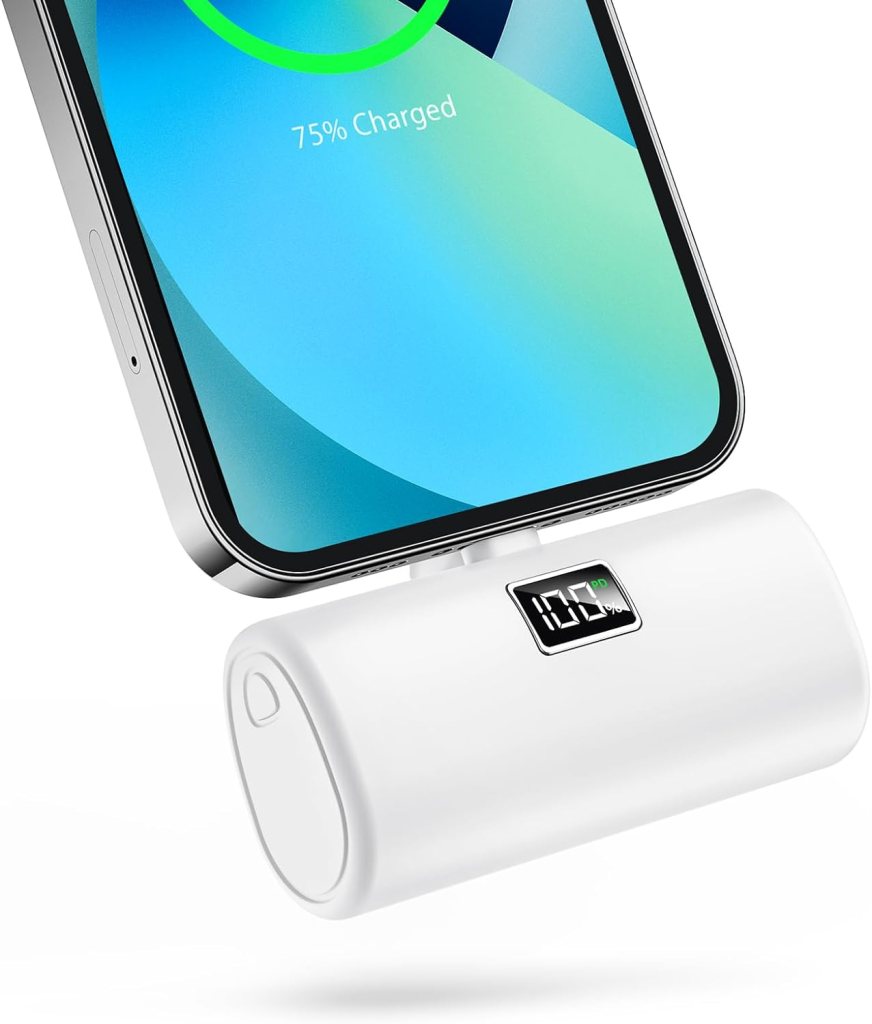
✔️ Power bank — camps often have limited plugs. Long sightseeing days can quickly drain your phone battery, so carrying a portable power bank like this one helps ensure your phone stays charged for maps, photos, and travel apps.
Quick Safari Tips for First-Timers
✅ Drive slow: You’ll spot more at 20–30 km/h.
✅ Start early: Sunrise and sunset are peak times for animal activity.
✅ Stay in your car: Never get out except at designated spots.
✅ Keep quiet: Loud voices can scare animals away.
Your South Africa Safari Starts Here
A South Africa safari is a bucket-list adventure you’ll never forget — sunrise drives, lion roars at night, and sunsets that feel like magic. Plan smart, pack right, and get ready for the wild side of the Rainbow Nation.
Related Safari Reads
✅ South Africa Kruger National Park: First-Timer’s Safari Guide
✅ How to Visit South Africa Kruger National Park on a Budget
✅ Is South Africa Safe to Visit? Here’s the Truth
✅ What to Expect on a South Africa Safari
✅ South Africa Animals: What You’ll See on Safari
✨ Got safari questions? Drop us a comment at www.thetravelingtaylors.world — we’d love to help you plan your first South Africa safari like a pro!






Share your thoughts with us! Leave a Comment!